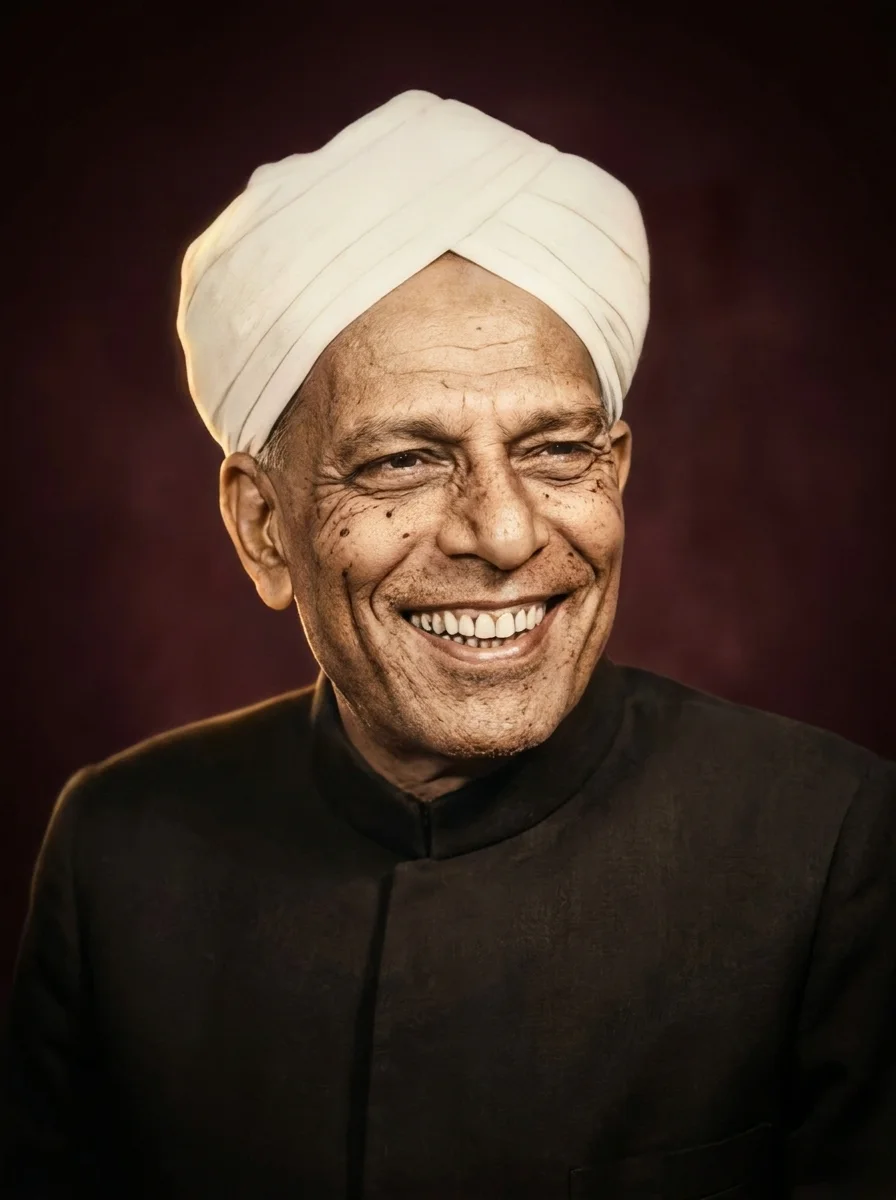
Dr. Gubbi Veeranna
11 Chapters · Three Parts · 1891–1972
The life of G.H. Veeranna — Nataka Ratna and Padma Shri — who turned a village touring troupe into the Gubbi Company and gave Kannada theatre its professional dignity.
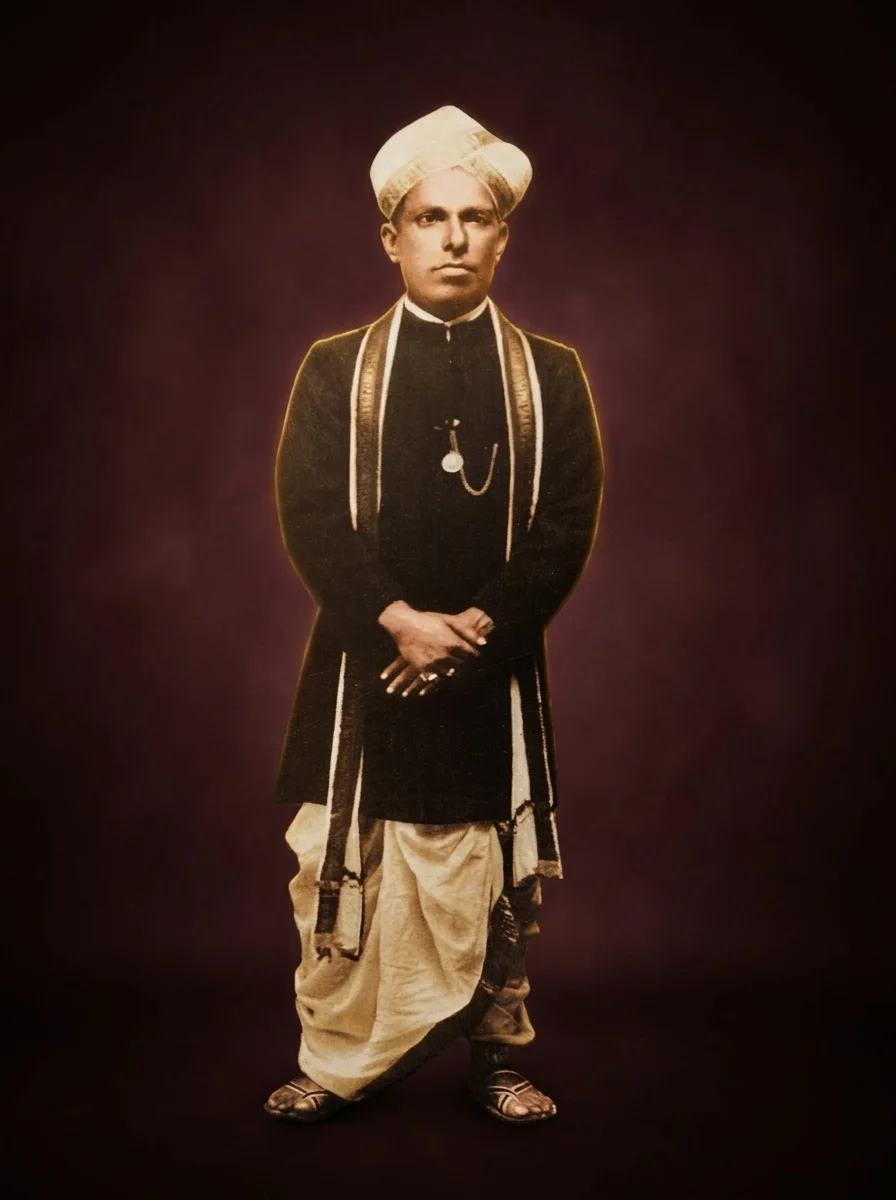
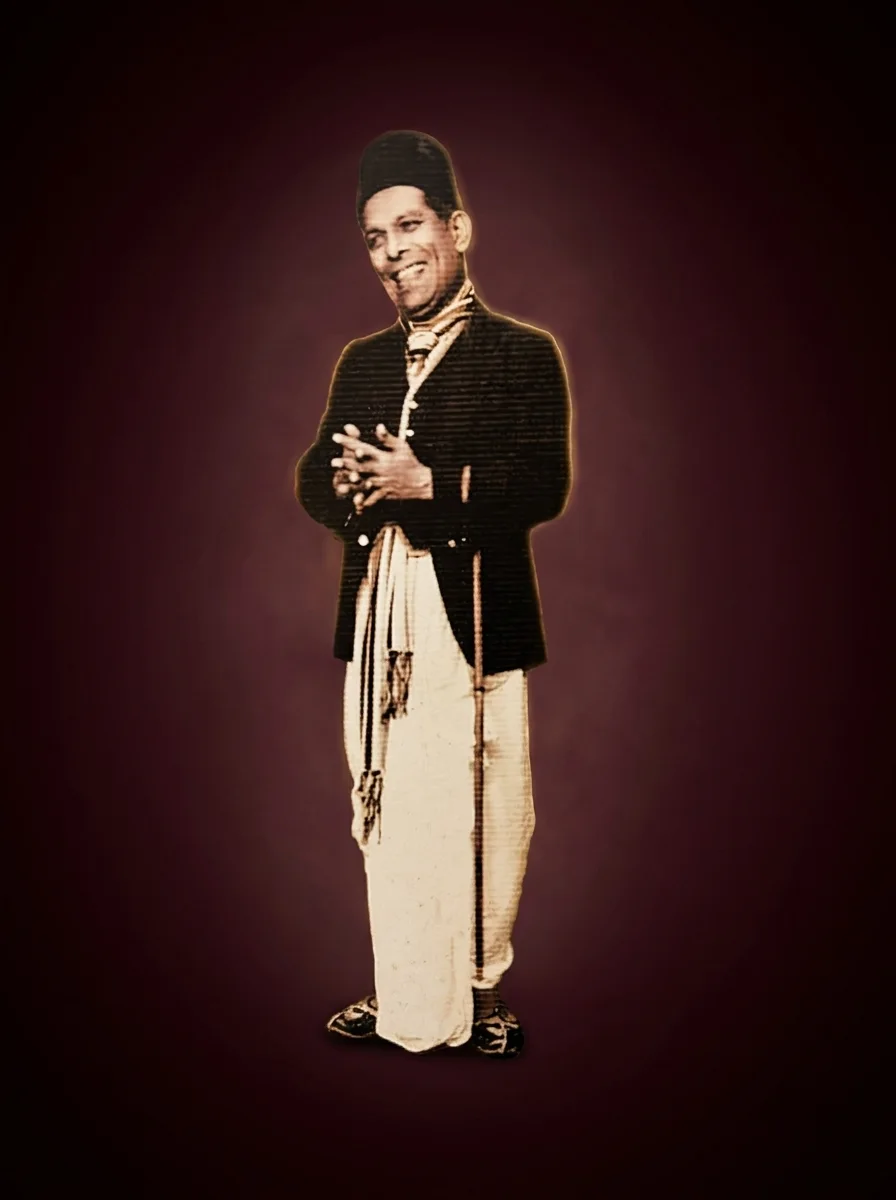
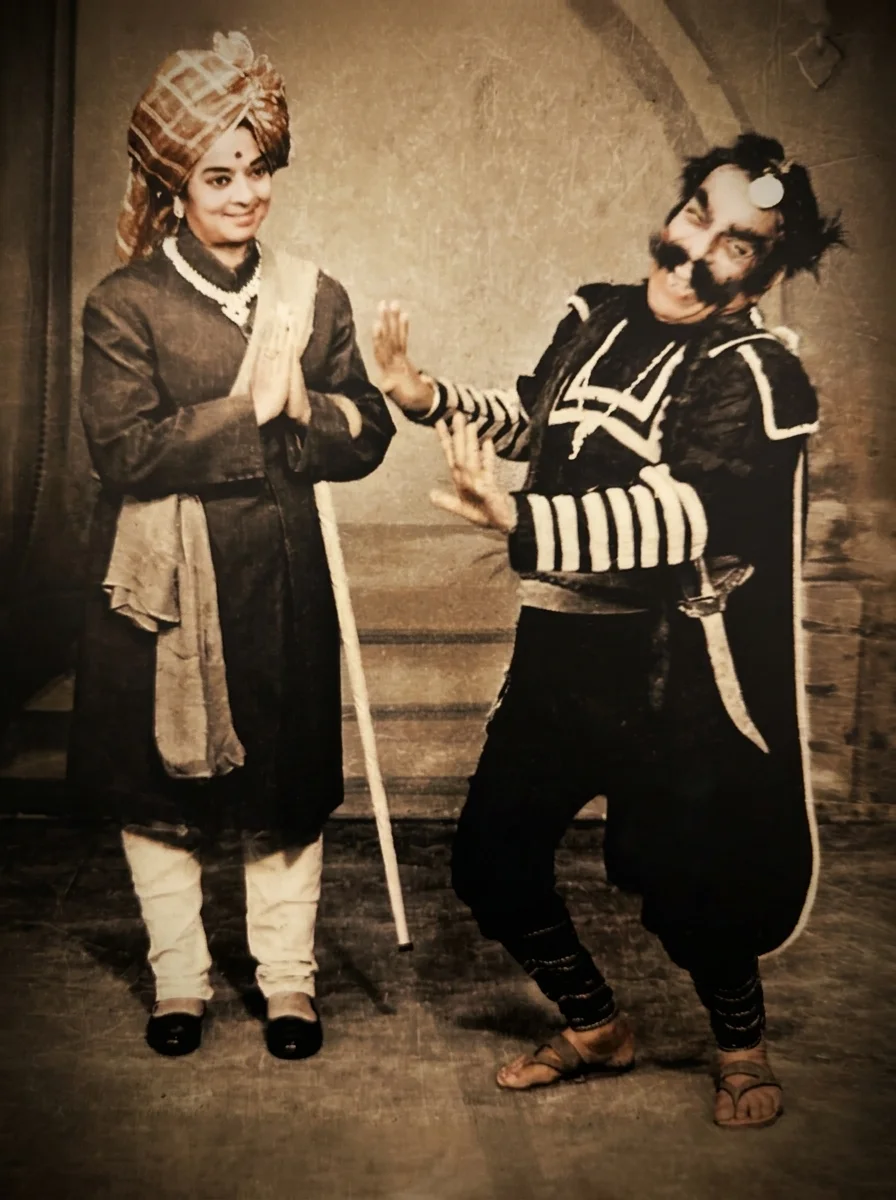
Short on Time?
The Life of Dr. Gubbi Veeranna
Origins & Rise
3 chaptersThe Boy from Gulaganjihalli
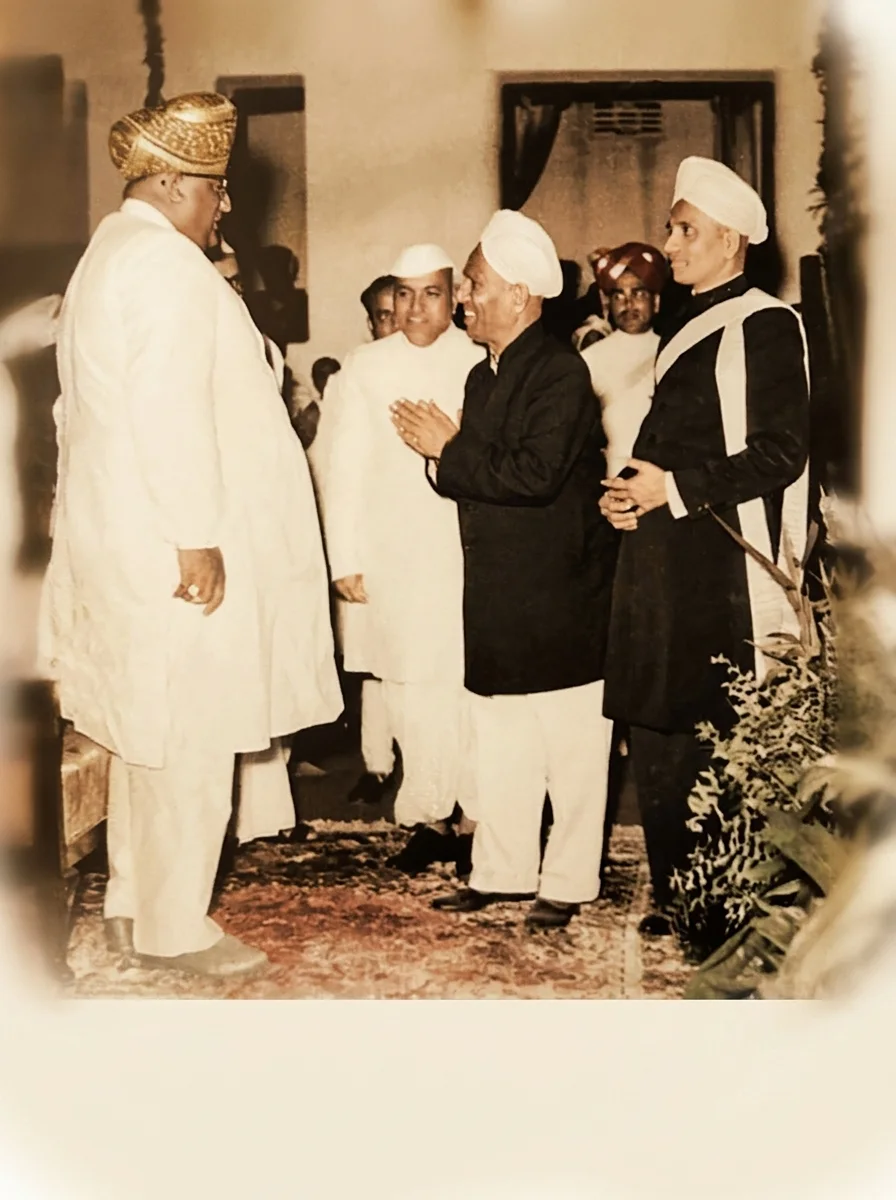
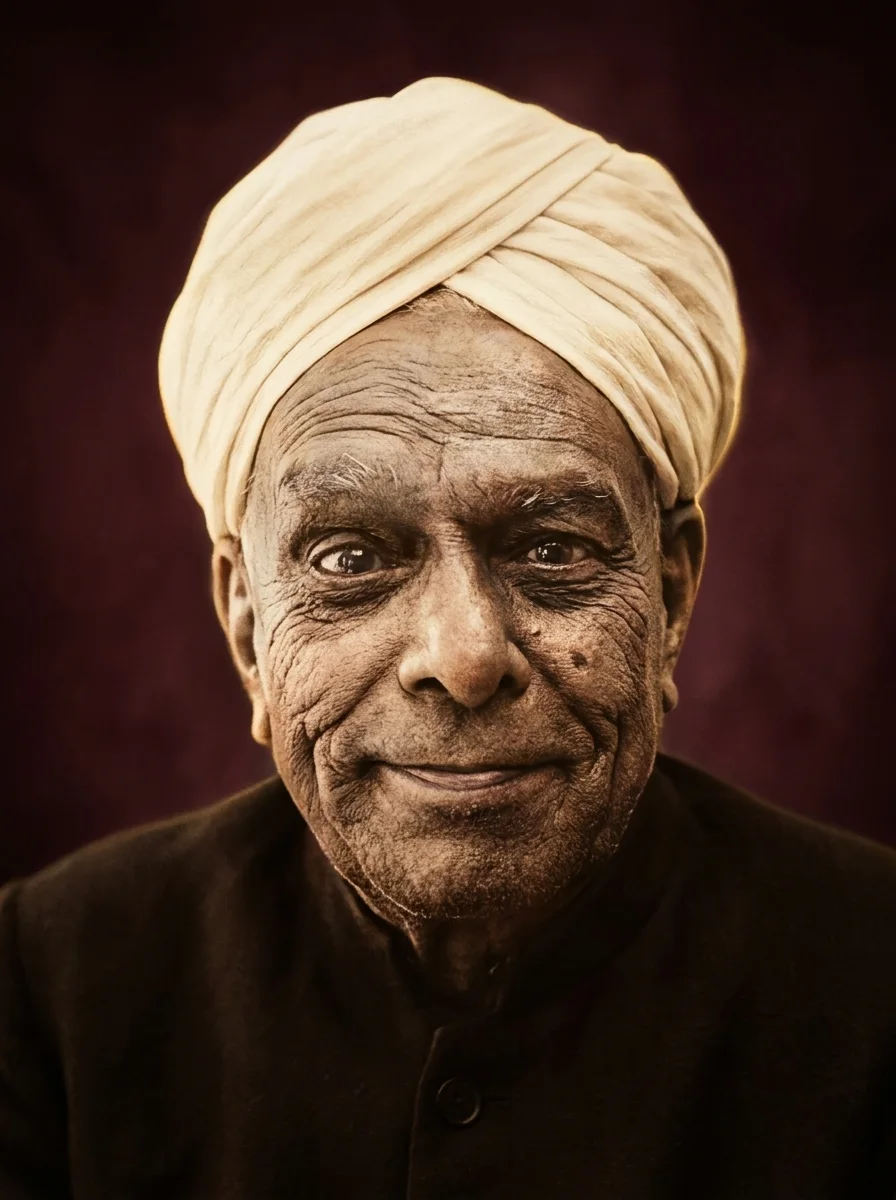
Born in 1891 in a Tumkur village, G.H. Veeranna joins the Gubbi company — founded by Channanna and Abdul Azeez Saheb — at the age of five, beginning a lifelong association with the stage.
Becoming the Proprietor
From child performer to master of every craft of the stage. By 1917 Veeranna has effectively become the proprietor, transforming a village troupe into a professional touring powerhouse.
Royal Recognition
Bellave Narahari Shastri writes for the company; women take the stage; and on 17 November 1923 the Maharajah of Mysore honours Veeranna as "Proprietor and Versatile Comedian." The first play-house and a children’s troupe follow.
The Empire of the Stage
3 chapters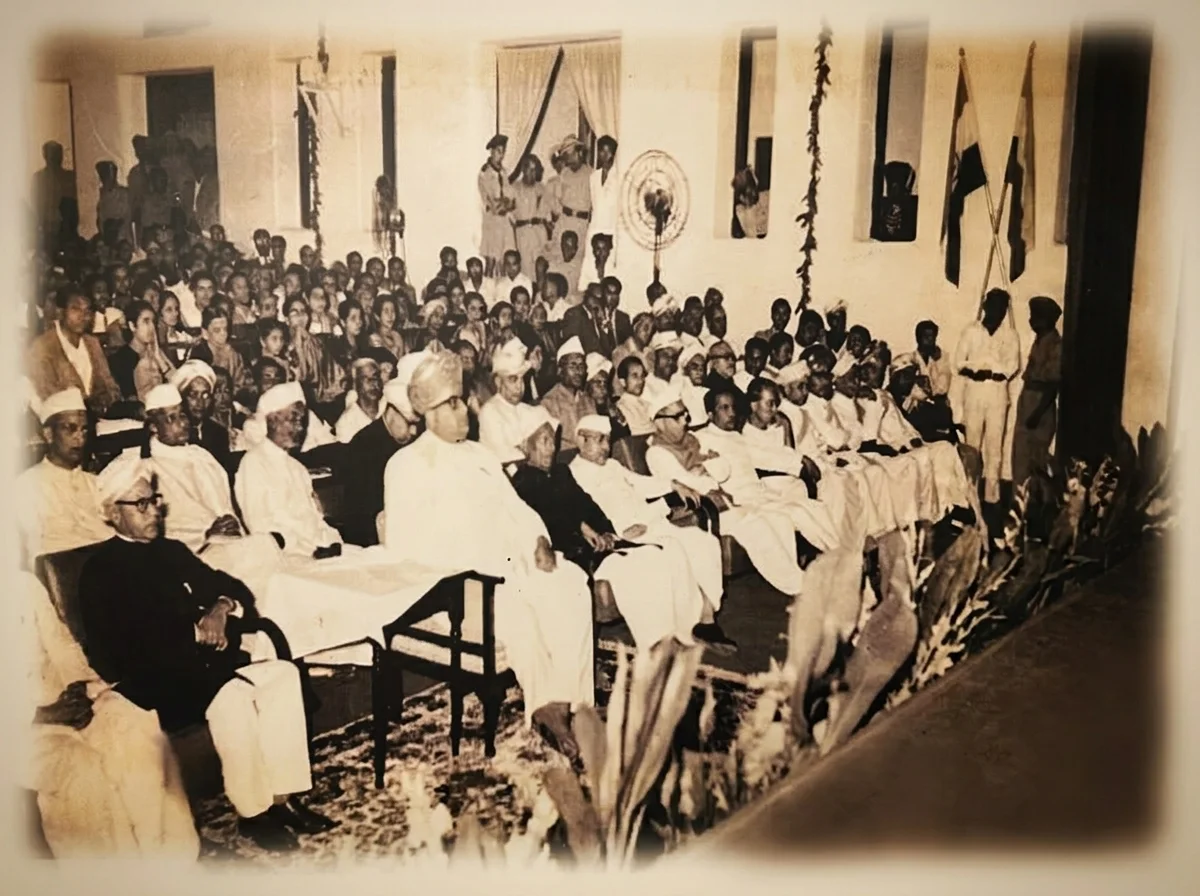
The Great Company
Two hundred and fifty people, three touring wings, special trains, and tours deep into South India and Andhra. A second play-house is opened by Sir Mirza Ismail. The Gubbi Company becomes the best-equipped troupe in South India.
Kurukshetra — The Golden Jubilee
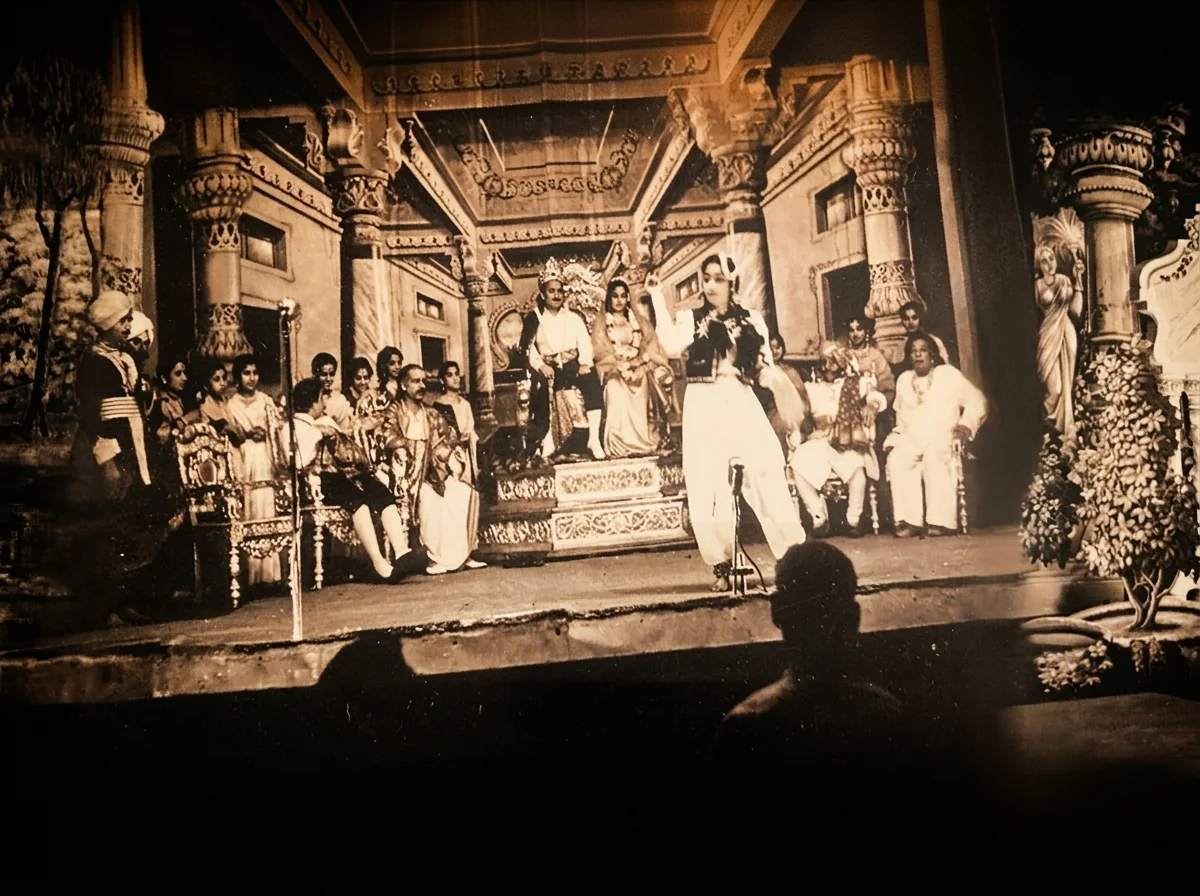
For the company’s golden jubilee in 1934, Veeranna stages Kurukshetra at a cost of Rs. 30,000 — a 4,000-seat zinc pandal, elephants and chariots on stage, a six-hour show, forty continuous nights. Film distributors cancel screenings; they cannot compete.
The Versatile Comedian
The art behind the titles — Versatile Comedian, Vinoda Ratnakara, "Chaplin of Karnatak." His signature comic roles, the affectionate "Nakali Veeranna," and the night audiences rejected his tragic Duryodhana and demanded their jester back.
Cinema, Ecosystem & Legacy
5 chapters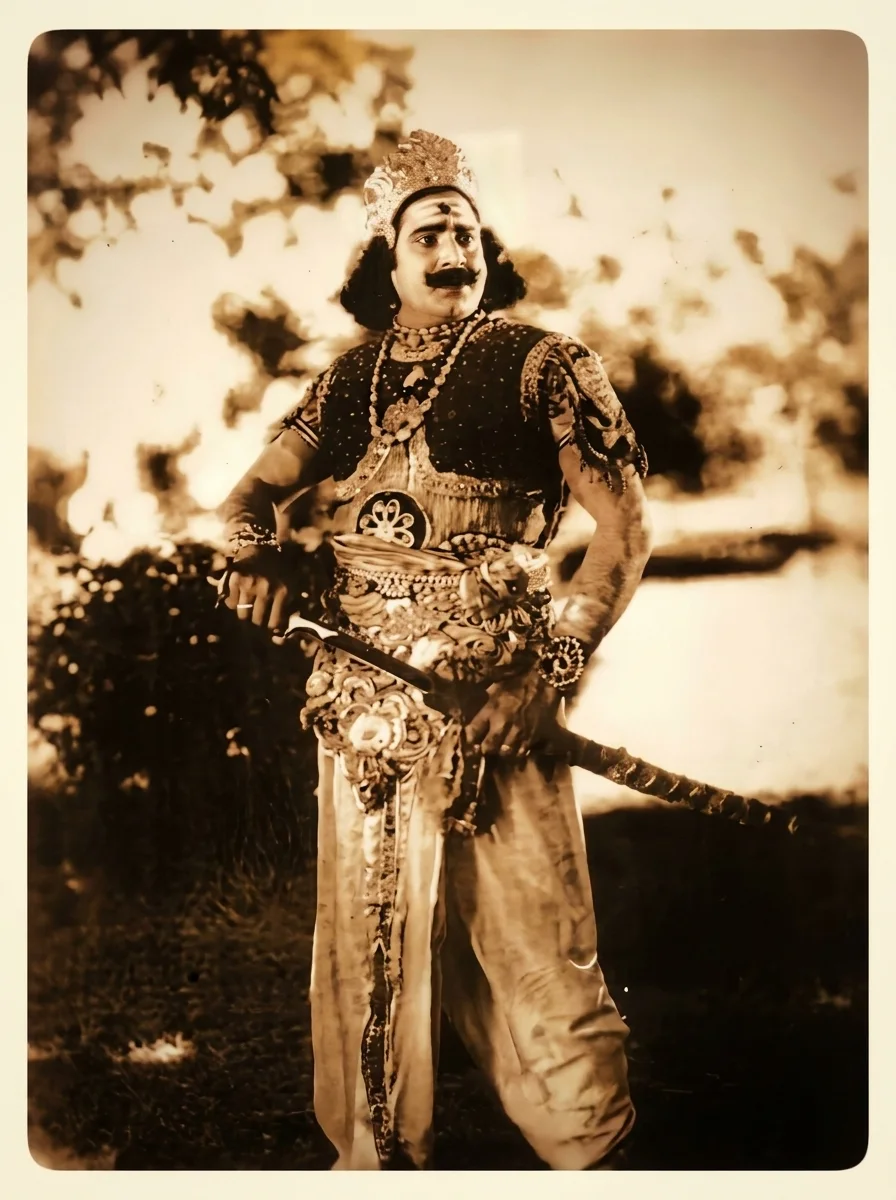
Crossing into Cinema
Veeranna carries the stage into film — the Karnataka Pictures Corporation, the Gaiety cinema, Sree Kanteerava Studios — and a filmography running from the Sadarame talkie to Bedara Kannappa (1954). The Gubbi Company becomes the incubator of Kannada cinema.
The Company as a World
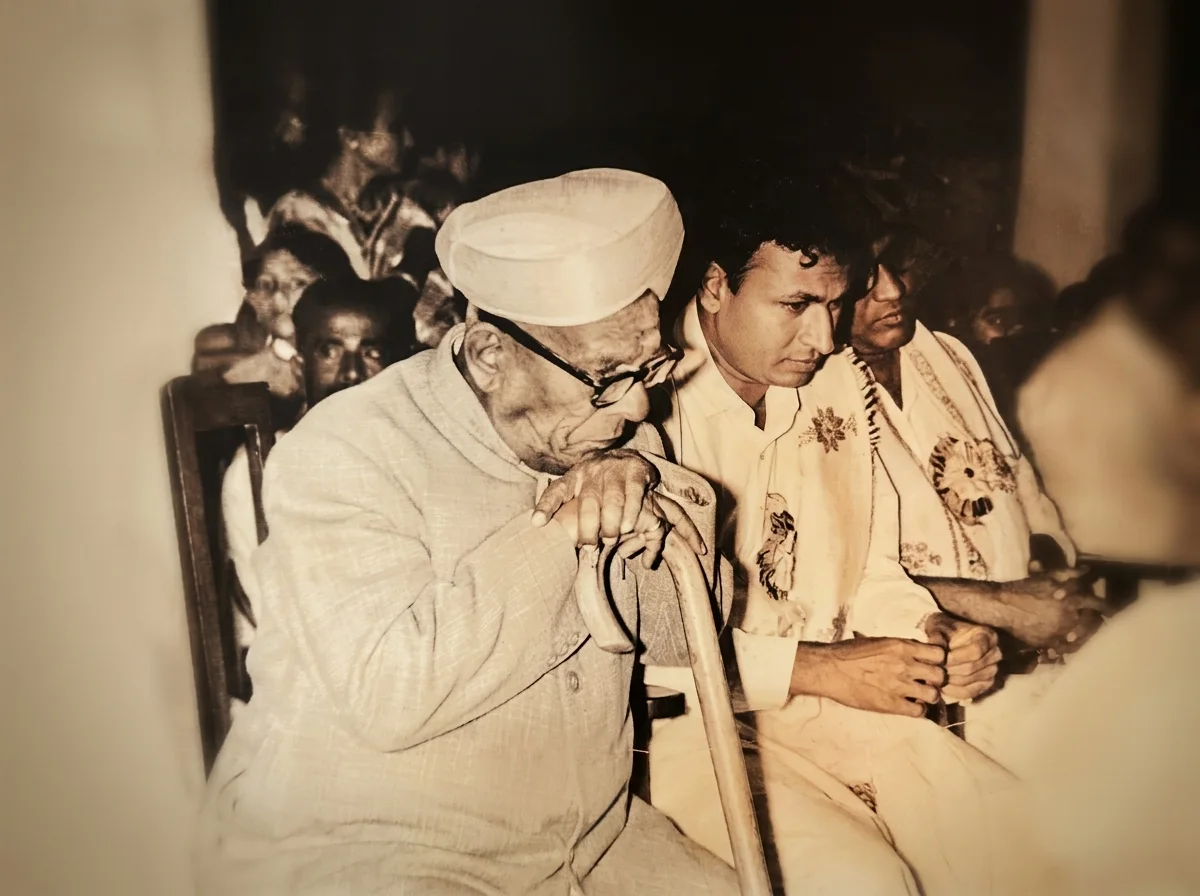
The playwrights who wrote for it (Bellave, B. Puttaswamiah), the artists it launched (B. Jayamma, Honnappa Bhagavatar, Dr. Rajkumar), the managers who ran it, and the rival companies that rose and fell around it.
Through War and a New Nation
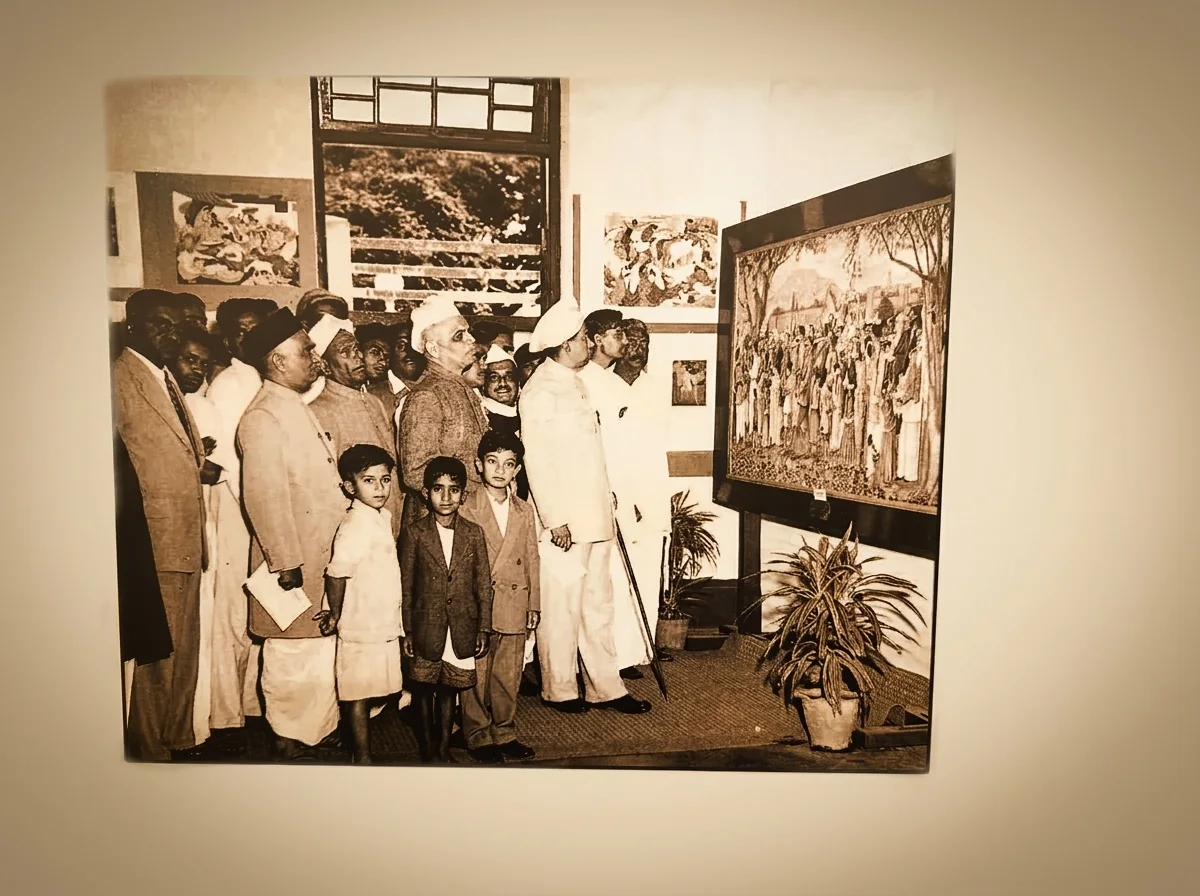
Theatre through the Second World War — 125 continuous shows in Mysore, the 1942 "Nataka Ratna" title, the company’s 1943 centenary, Independence in 1947, eight years in the Legislative Assembly, and the birth of Karnataka state in 1956.
The Diary — In His Own Hand
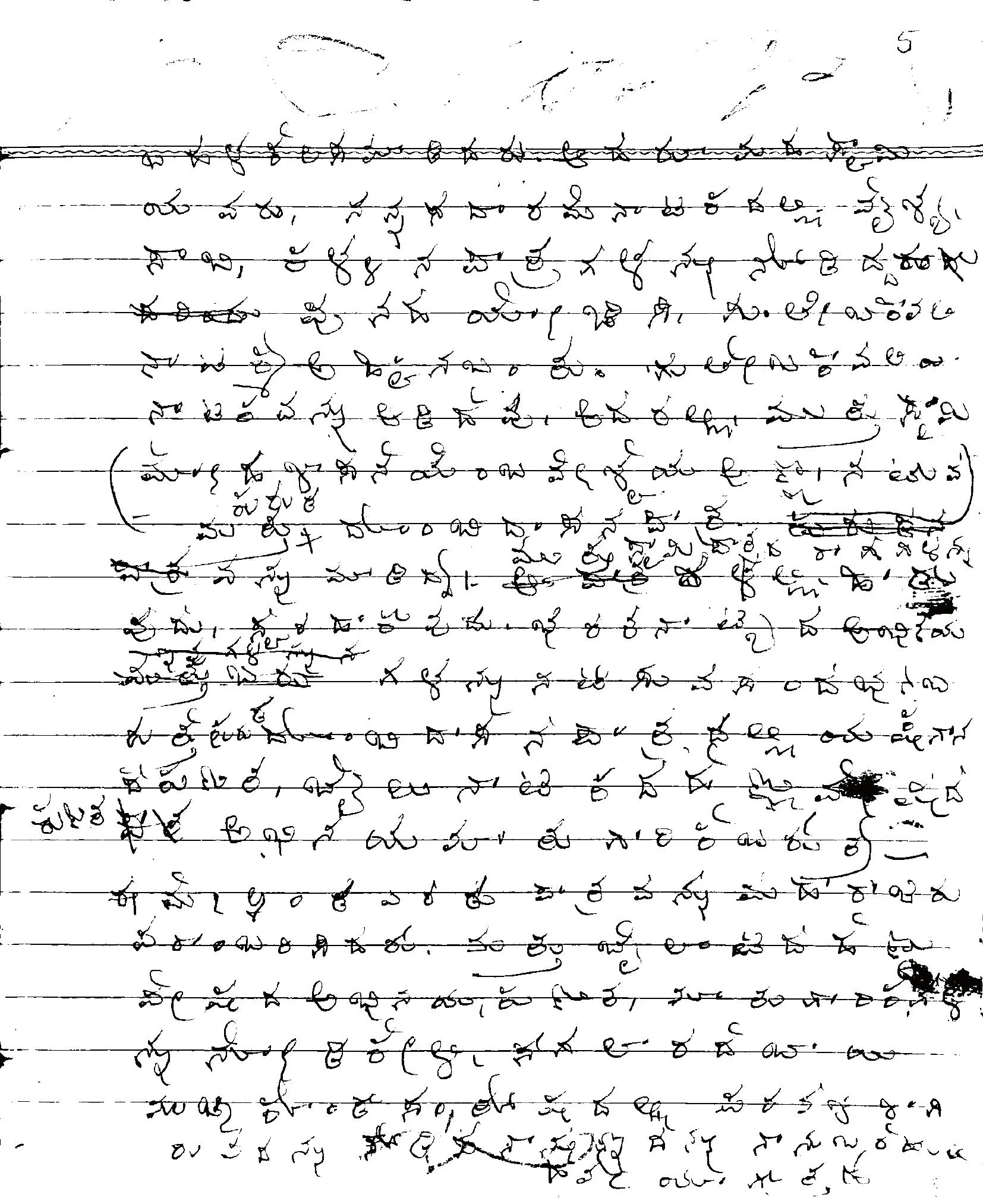
"Book 2" — 172 handwritten pages composed in 1962, covering 1921–1956. Financial ledgers, the English word "Benefit," hand-drawn character portraits and rangoli, a closing prayer, and a final page that circles back to the 1923 royal commendation.
Honours and Immortality
The University of Mysore’s honorary doctorate (1970), the Sangeet Natak Akademi Award (1955) and the Padma Shri (1972); his passing on 18 October 1972; and the legacy of the man who gave Kannada theatre its professional dignity and Kannada cinema its first generation of stars.