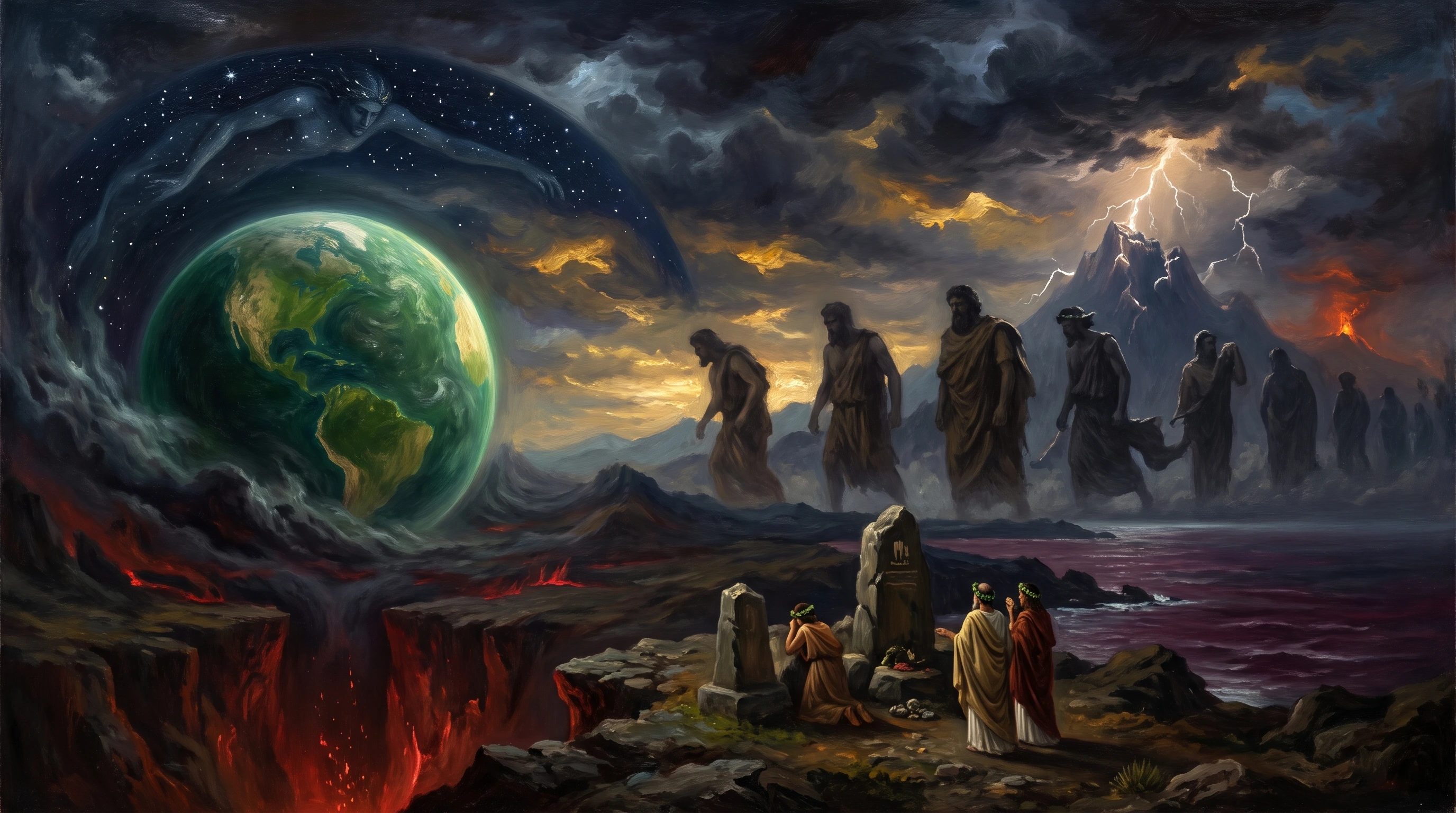
Theogony — The Birth of the Gods
The Greek creation epic, retold from the 1914 Evelyn-White translation — Chaos and Gaia, the sickle of Kronos, the devoured children, the hidden childhood of Zeus, the ten-year war with the Titans, Typhoeus, Prometheus and the first woman, and the ordering of Olympus.
Short on Time?
Before the Gods Were Kings: Chaos, the Sickle, and the Rise of Zeus
Chaos: The First Four
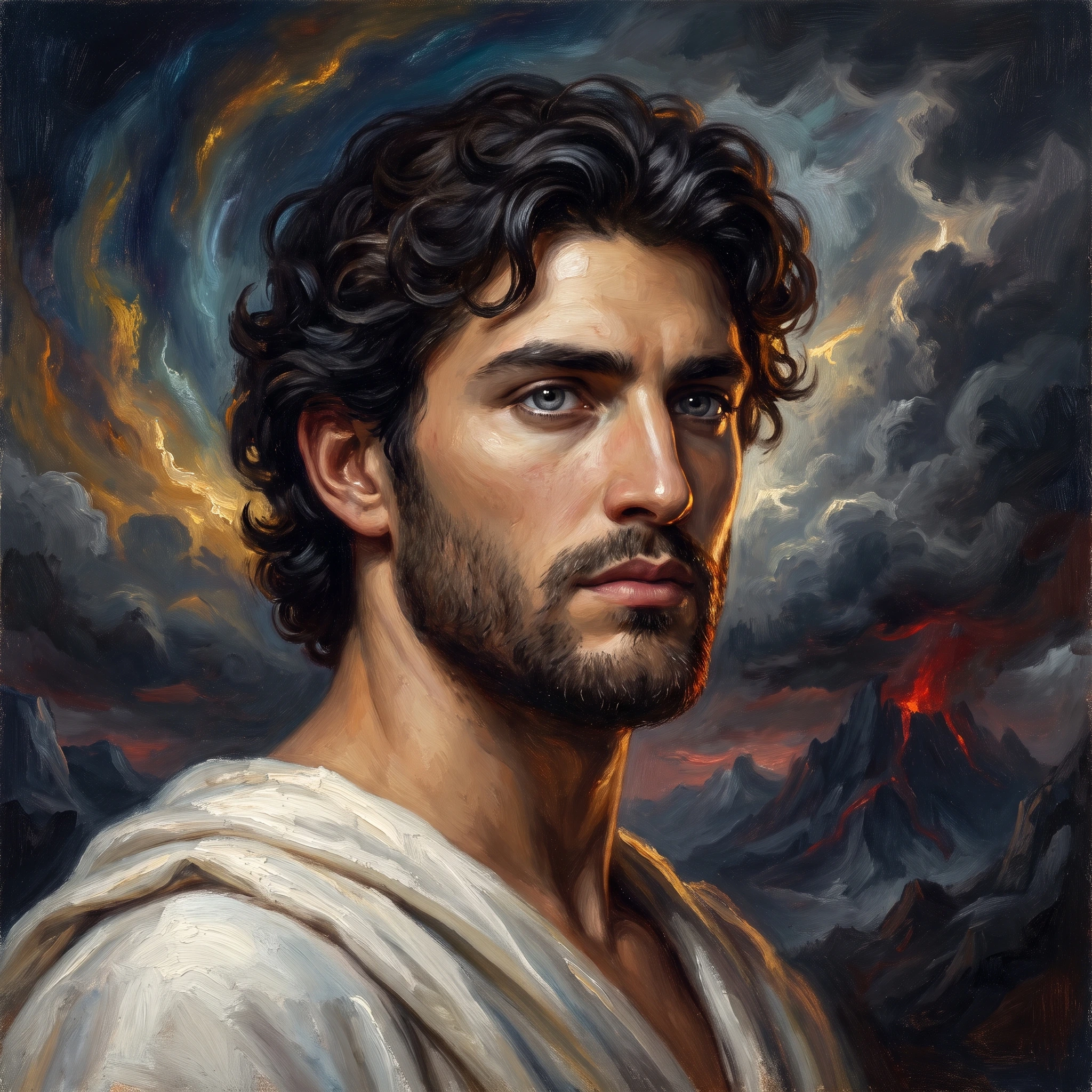
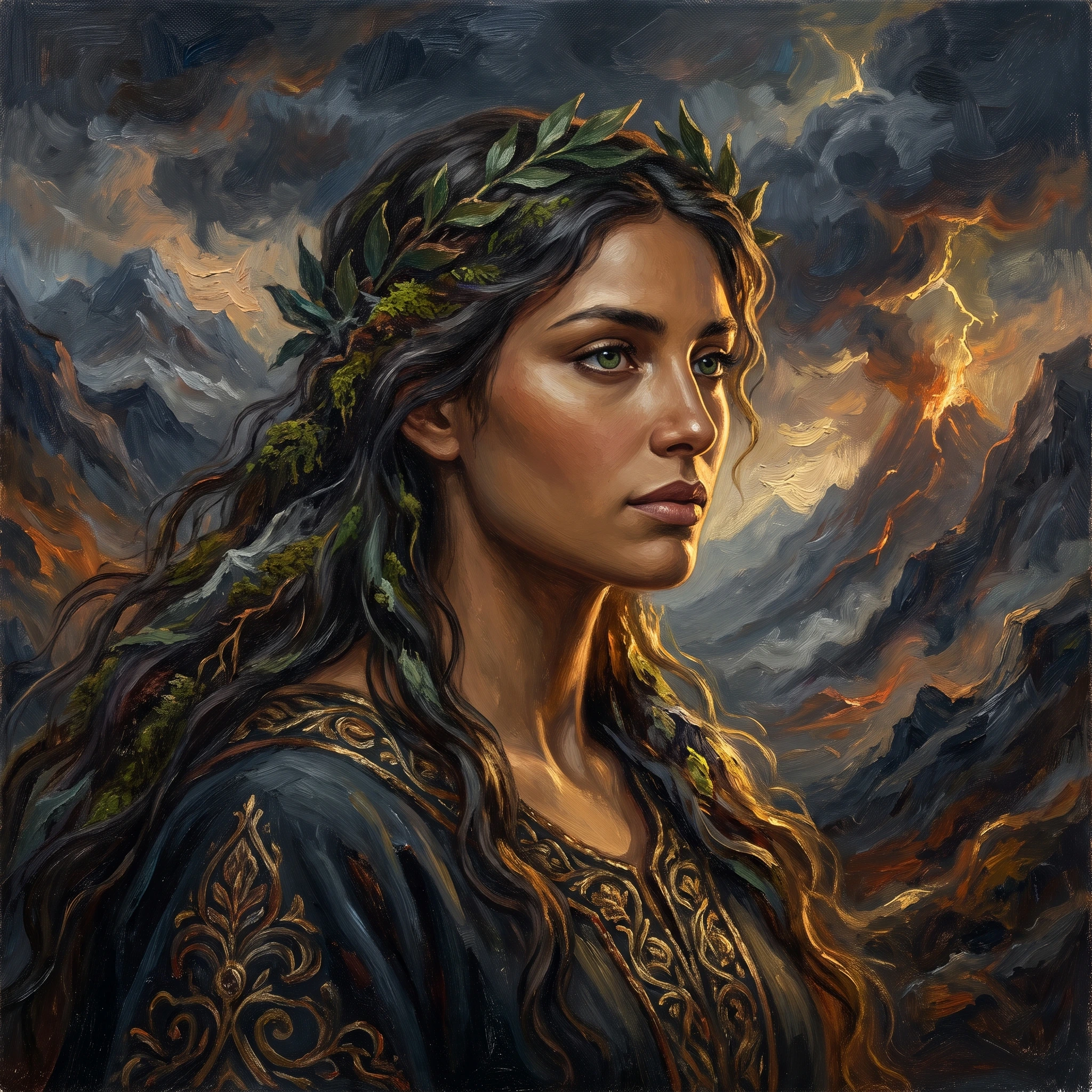
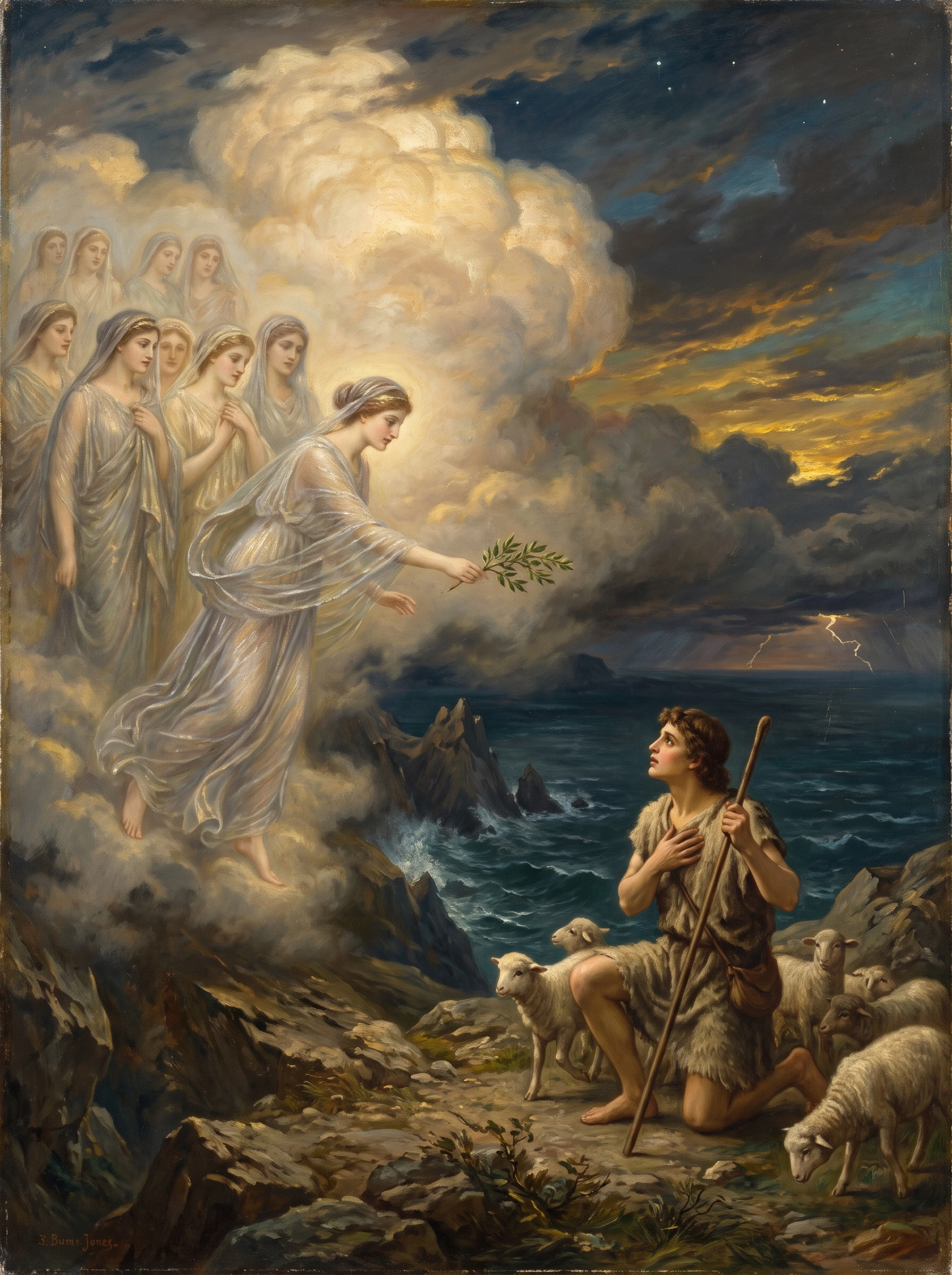
On Mount Helicon, nine goddesses stop beside a shepherd named Hesiod, insult him, hand him a laurel staff, and command him to sing how everything began. His answer opens the poem: first came Chaos — not disorder, but the yawning gap — then wide-bosomed Gaia the Earth, dim Tartarus the pit beneath her, and Eros, desire itself. From Chaos come darkness and Night; from Night, astonishingly, come their opposites, bright air and Day. The stage of the universe is set, and the force that will drive every scene on it is already loose.
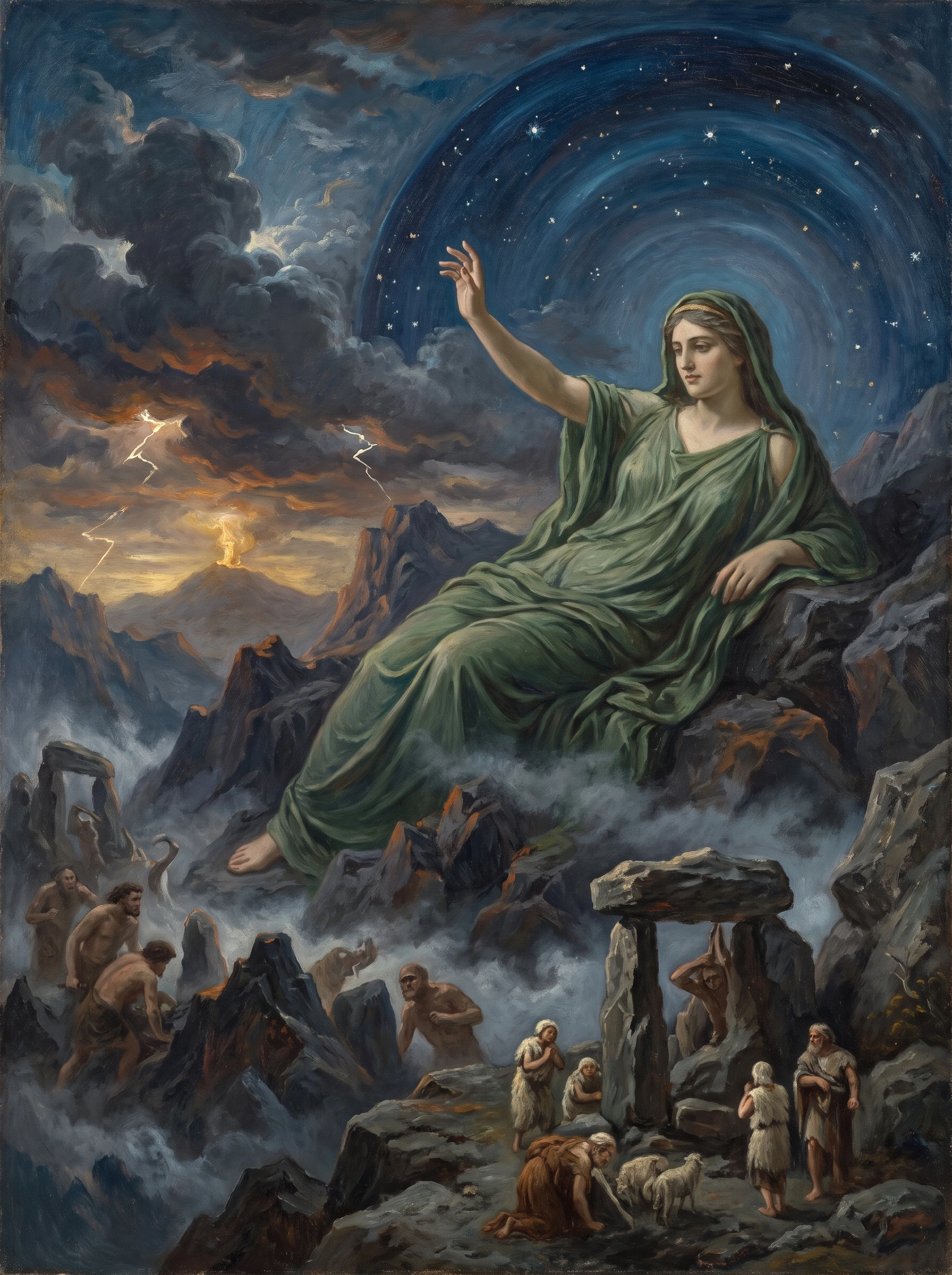
The Sky Father
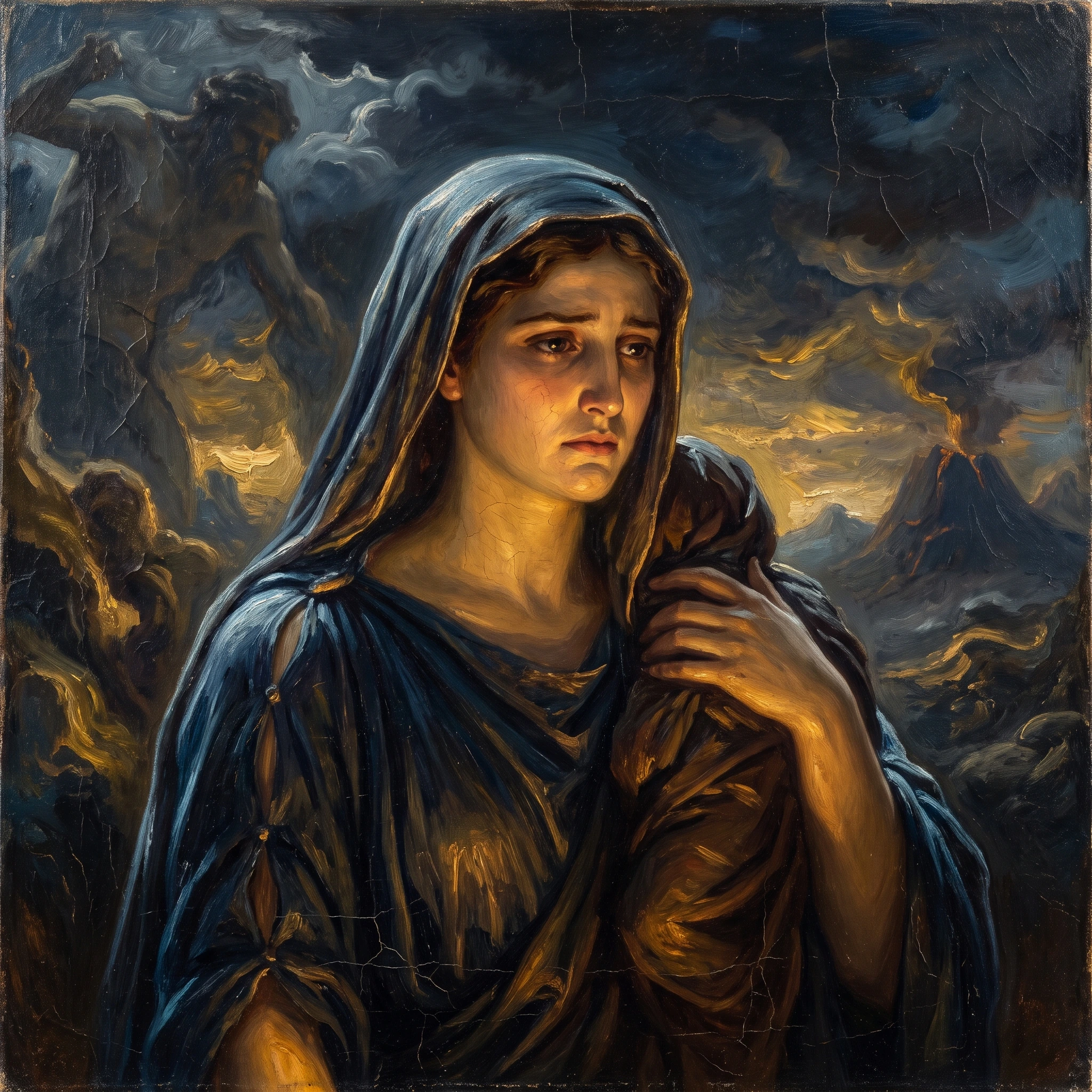
Gaia makes herself a husband — starry Uranus, the Sky, shaped to her own measure — and together they fill the world with children: the twelve Titans, the one-eyed Cyclopes who forge storms, and the Hundred-Handers, giants with fifty heads and a hundred arms. But Uranus hates his most powerful offspring and shoves each one back into the body of the Earth, rejoicing in the evil. Crowded and groaning, Gaia shapes a great flint sickle in the dark and begins to plan.
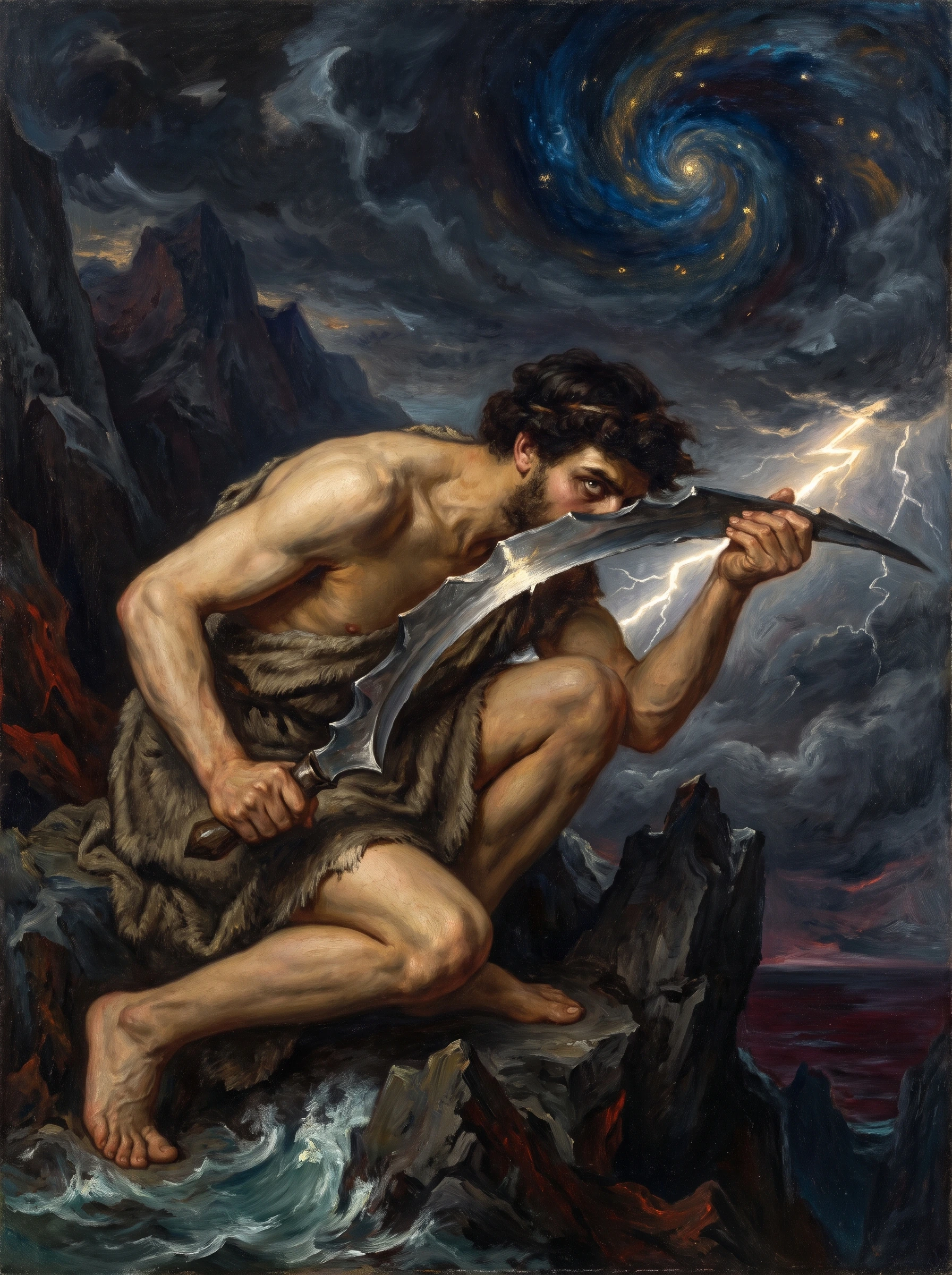
The Sickle
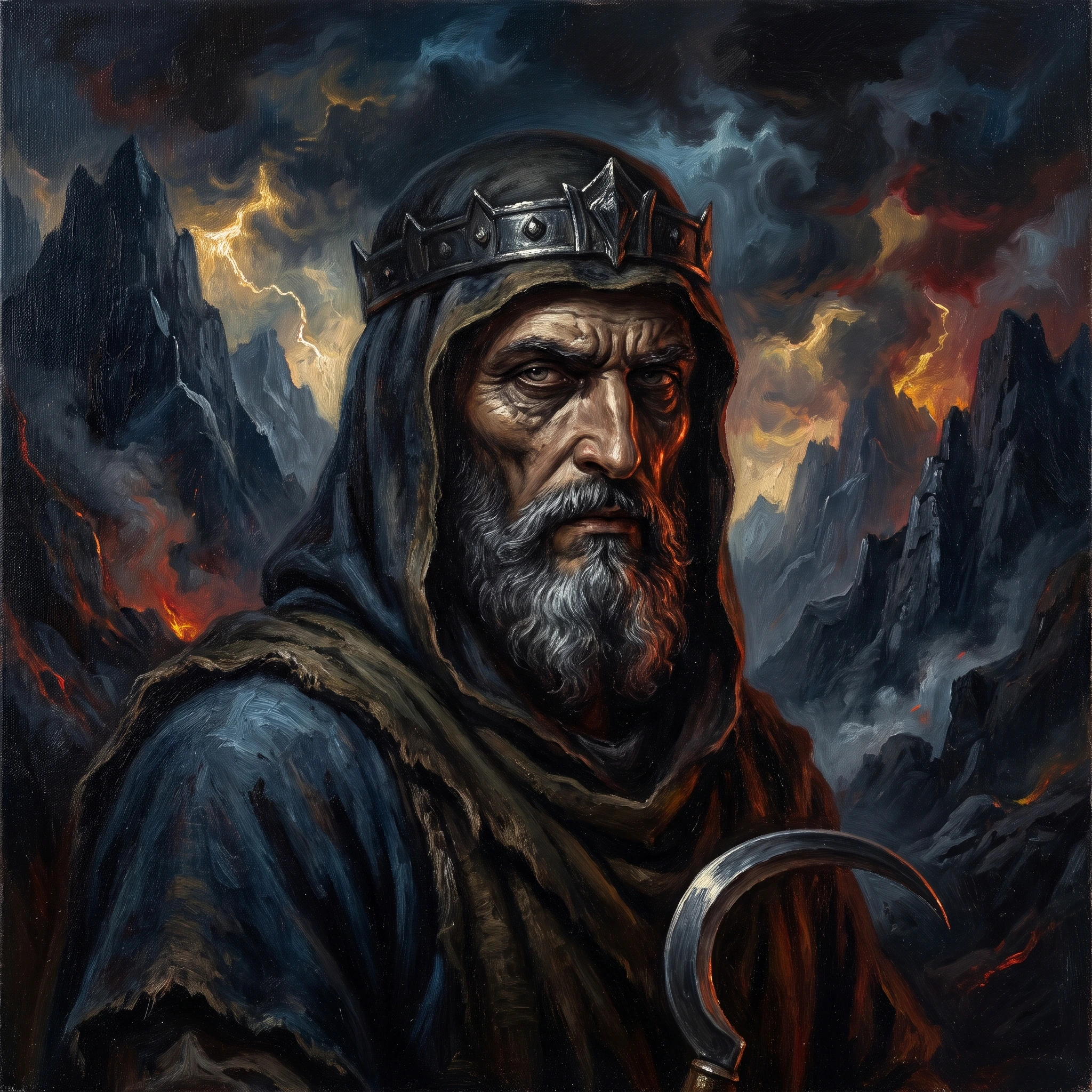
Gaia asks her children to punish their father, and only the youngest dares answer: Kronos the wily. From ambush he unmans Uranus with the jagged sickle, and the sky recoils from the earth forever. From the spilled blood rise the Furies — avengers of family bloodshed — and the armoured Giants; from the severed flesh, adrift in sea-foam, grows Aphrodite, goddess of love, stepping ashore on Cyprus with grass springing beneath her feet. Beauty and vengeance are born from the same wound, and the maimed Sky leaves a curse: vengeance will come afterwards.
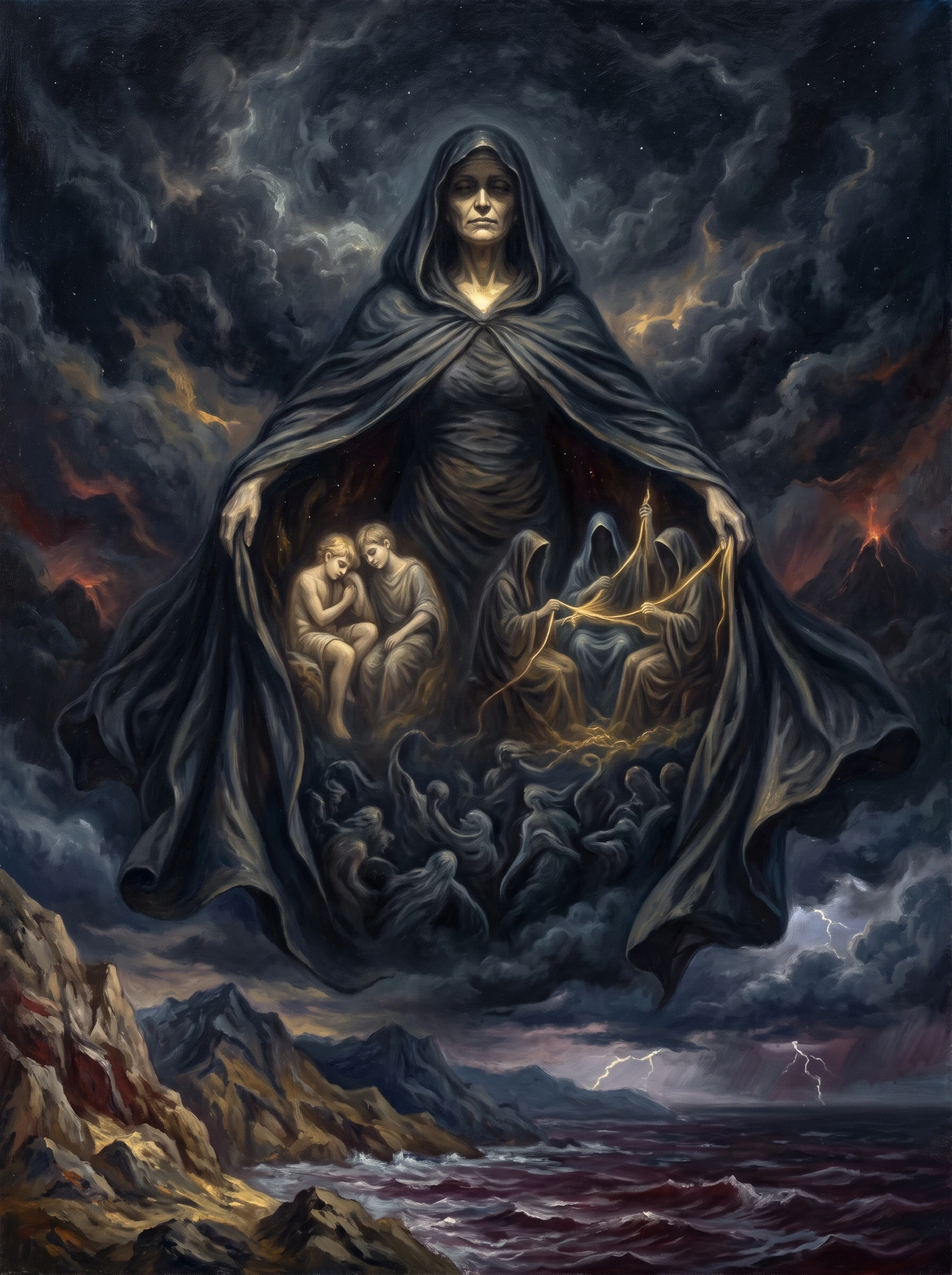
The Children of Night
While Titans seize thrones in the light, Night bears her children alone in the dark: Doom, Fate, Death, Sleep and the tribe of Dreams, Deceit, Old Age, and hard-hearted Strife, whose brood is a portrait of human misery from Famine to Lawlessness. Among them stand the three Fates, who bind gods as well as mortals, and Nemesis, who finds everyone who grows too proud. The deep sea fills its own nursery meanwhile — Medusa, Echidna, Cerberus, the Hydra, the Chimaera — monsters whose names are heroes' stories waiting to happen.
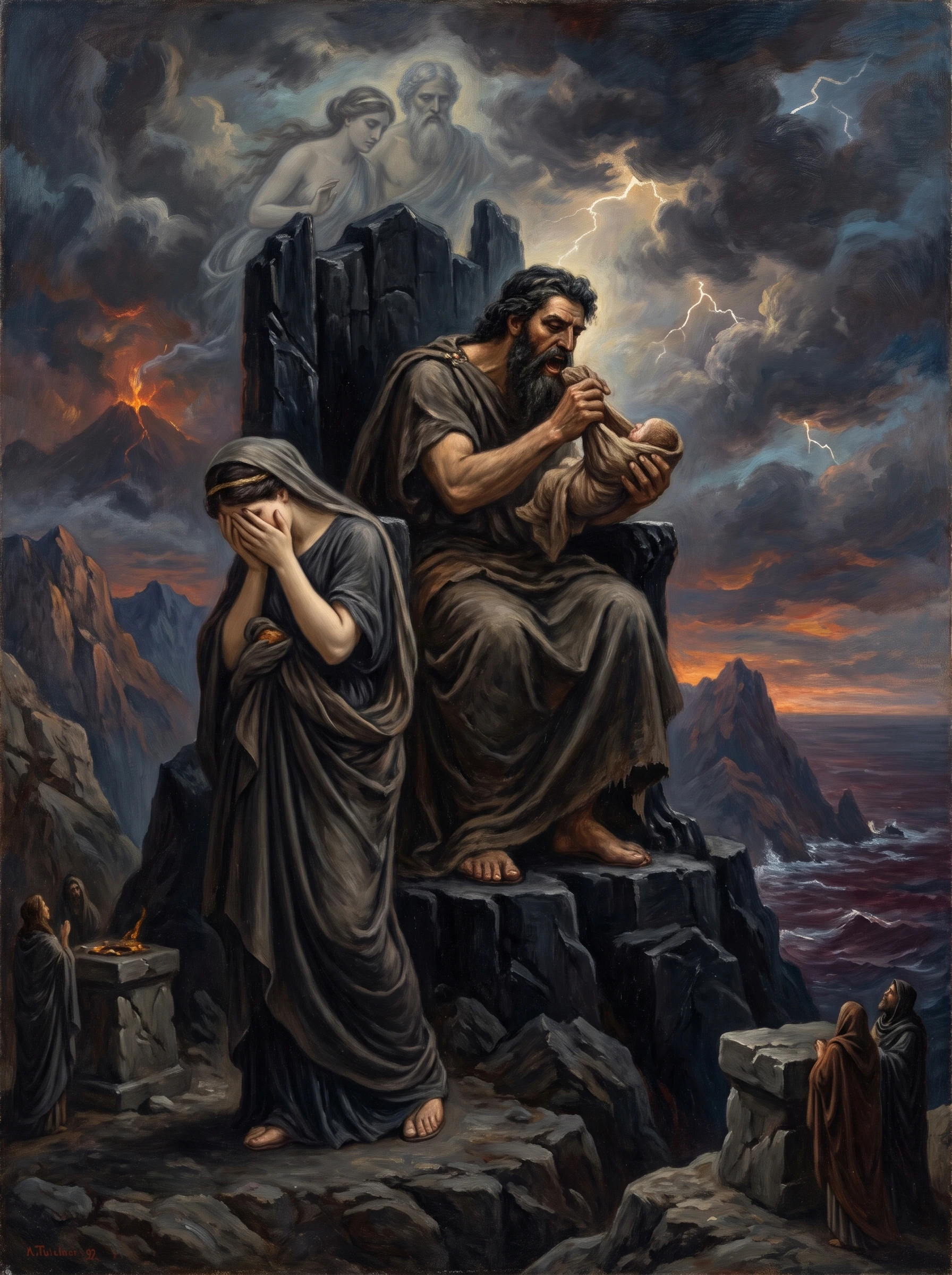
The Devourer
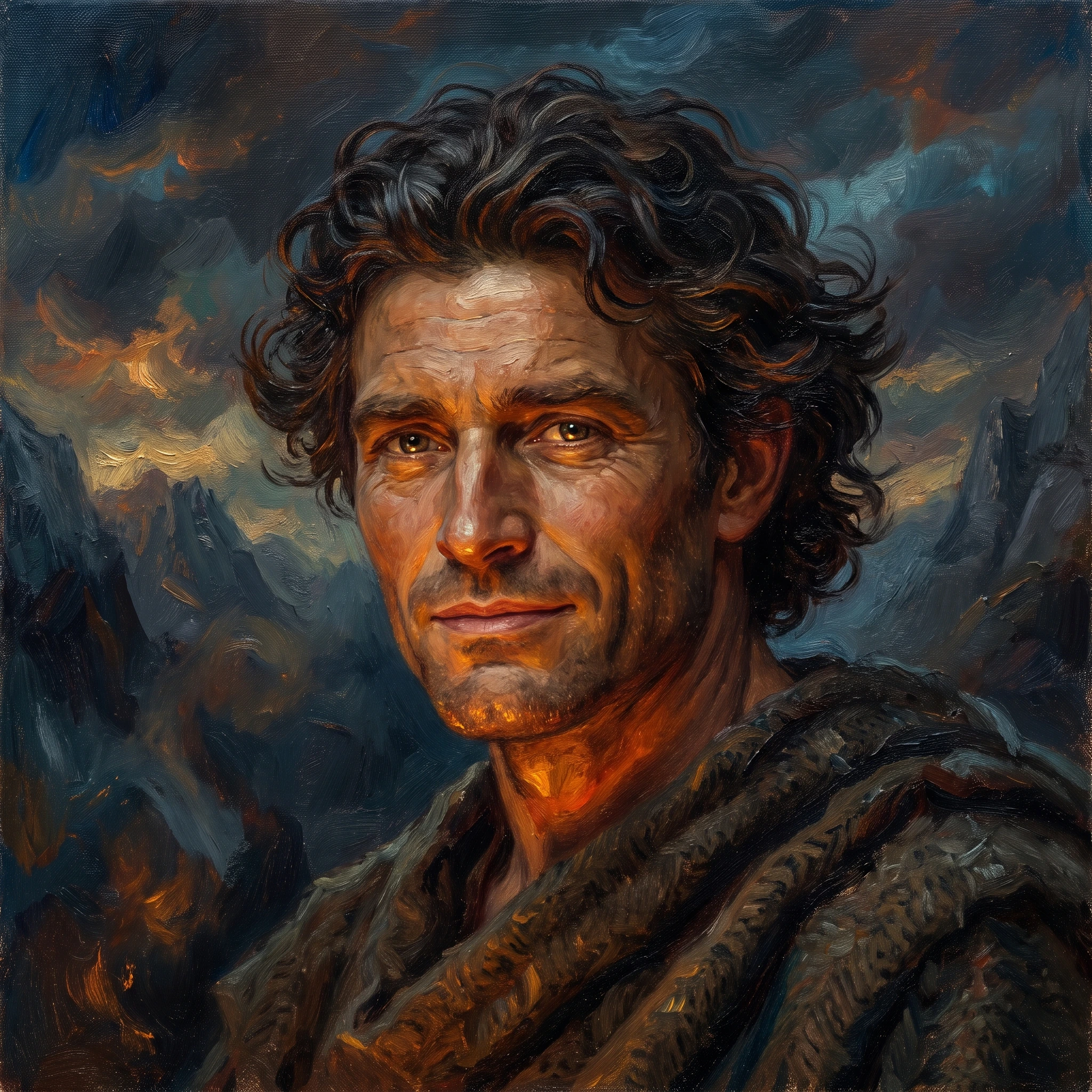
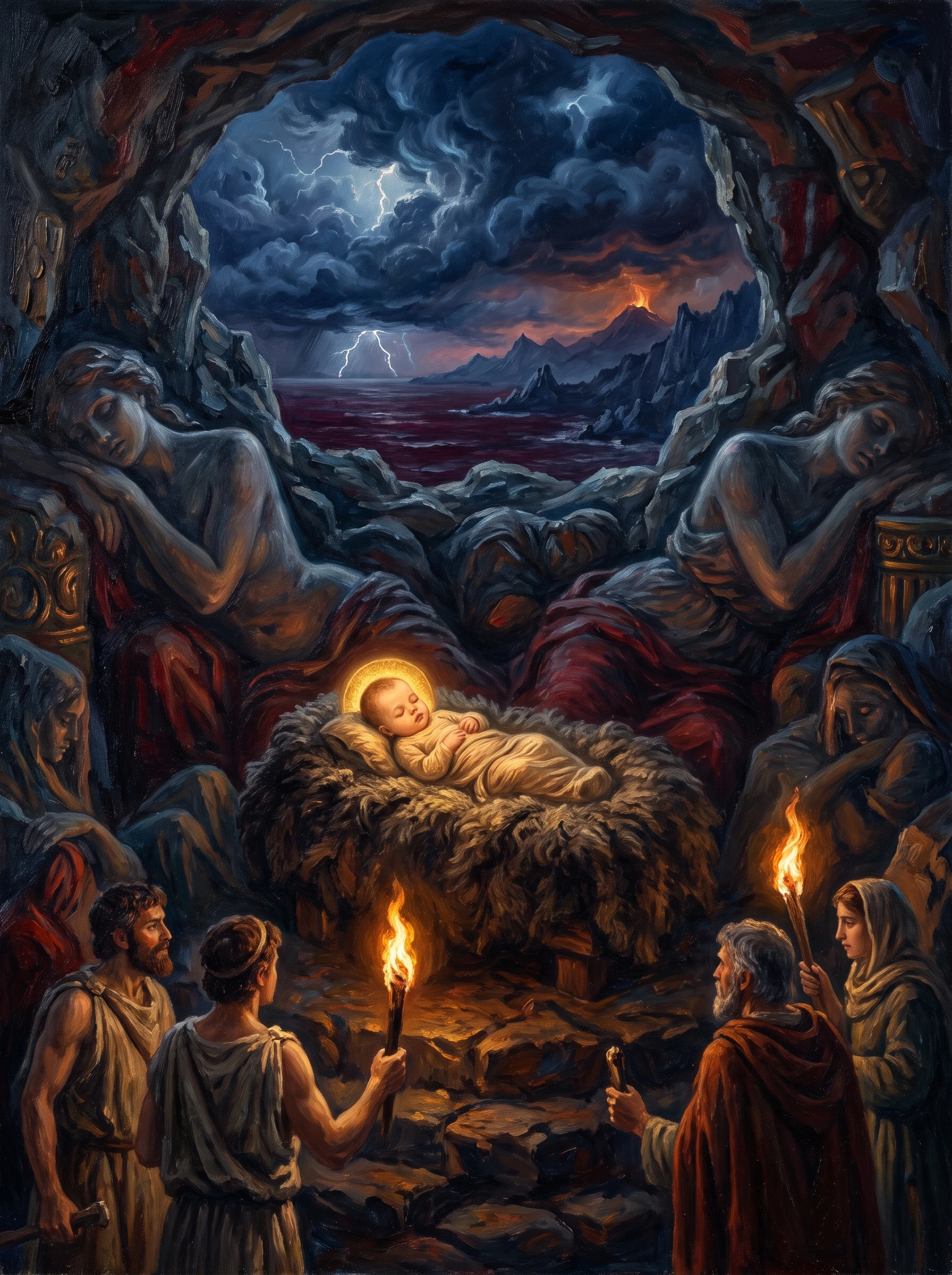
Kronos, warned by his parents that he is destined to be overthrown by his own son, goes beyond even his father's crime: as his wife Rhea bears Hestia, Demeter, Hera, Hades, and Poseidon, he swallows each newborn whole. Pregnant a sixth time, Rhea turns to Gaia for a plan — gives birth to Zeus in secret in a cave on Crete, and hands the king a great stone wrapped in swaddling clothes. Kronos gulps it down, satisfied that the prophecy has starved. Far to the south, hidden inside the earth, the future is growing.
The Hidden Child
Zeus grows to strength in the Cretan cave, and the counter-revolution begins with a trick: Gaia beguiles Kronos into vomiting up everything he swallowed — first the stone, then five furious, fully grown gods. Zeus plants the stone at Delphi as a monument, then frees the Cyclopes from their chains; in gratitude the one-eyed smiths hand him thunder, lightning, and the glowing thunderbolt. The freed children gather on Olympus, the old Titans close ranks on Mount Othrys, and the sides are drawn for war.
The Titanomachy
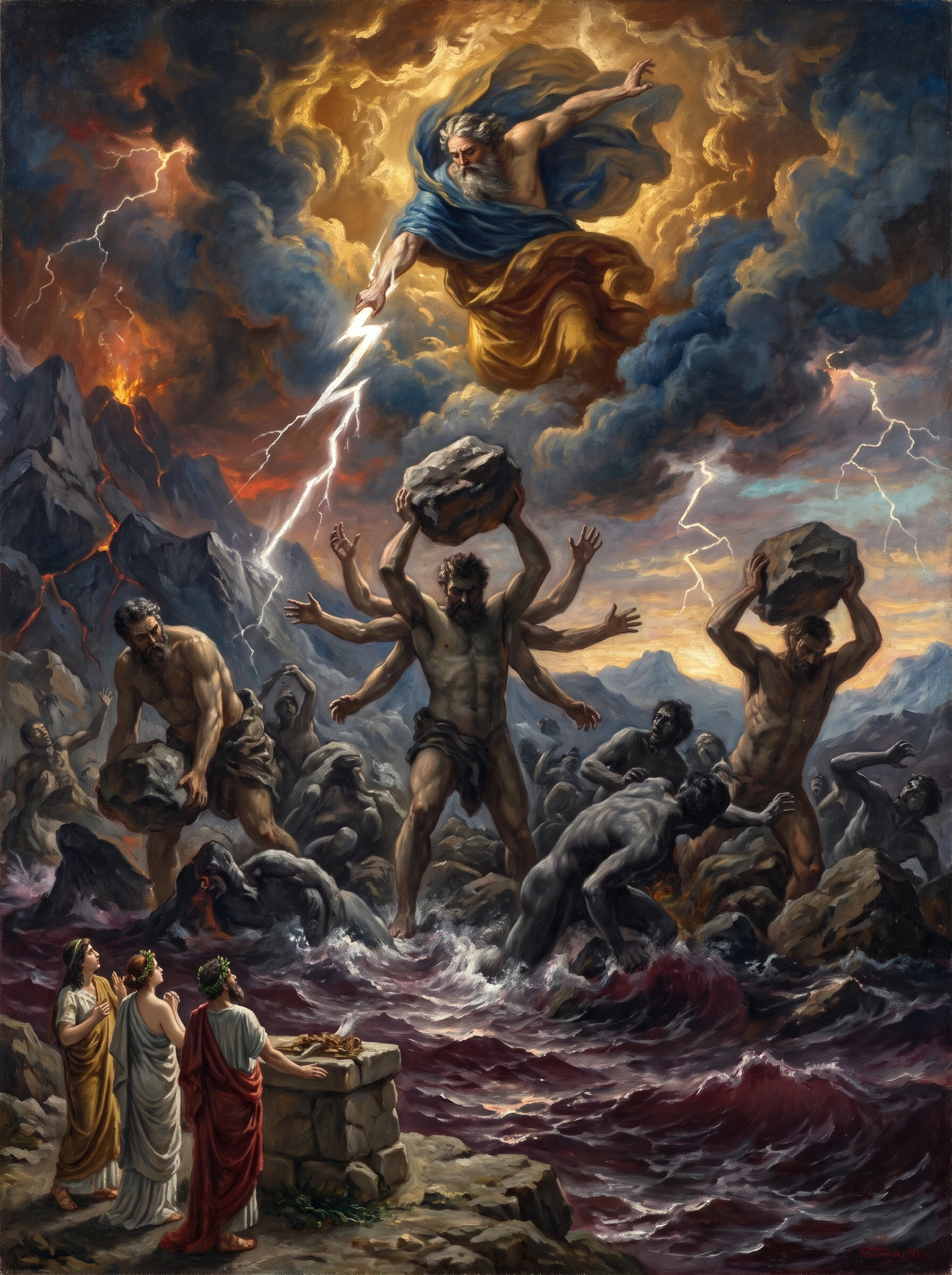
Ten years of war between deathless armies, and the balance never tips — until Gaia reveals the key: the Hundred-Handers, still buried where Uranus threw them. Zeus brings the giants up into the light, feeds them nectar and ambrosia, and asks for their strength. The final battle nearly unmakes the world — Zeus hurls lightning until land and sea seethe, and the Hundred-Handers loose three hundred rocks in a single storm — and the Titans are buried, chained, and marched down into the dark. The father who feared his son's rebellion falls exactly as his own father's curse foretold.
The Prison Below
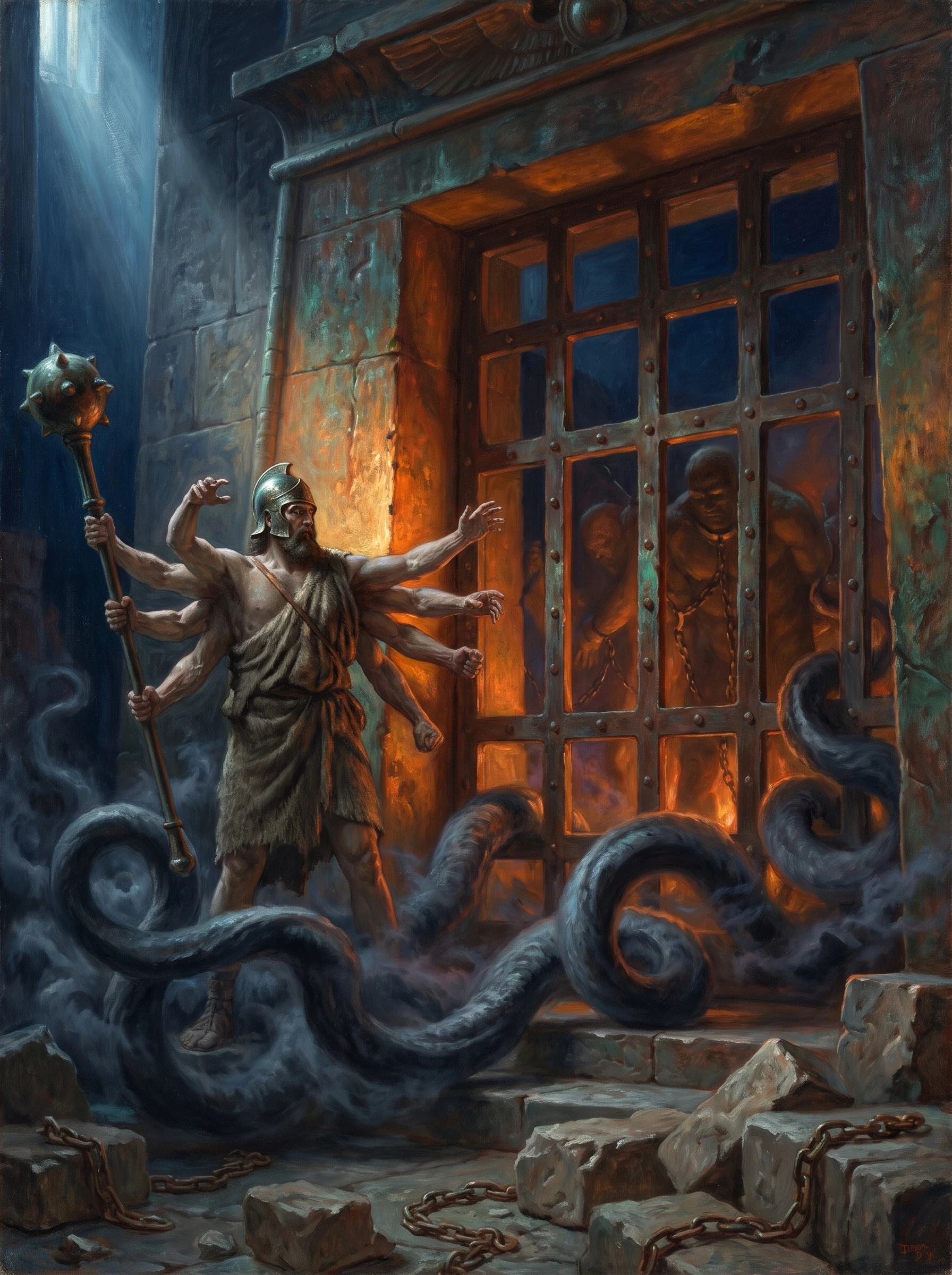
Tartarus lies as far beneath the earth as heaven stands above it — a bronze anvil would fall nine days to reach it — and the poem maps the deep like a dreadful travel guide. Bronze gates forged by Poseidon; the Hundred-Handers standing guard over the gods who once let them rot; the house where Night and Day pass on a single threshold and are never home together; Sleep who is kind and Death with a heart of iron; Cerberus, who fawns on all who enter and devours any who leave; and the cold water of Styx, by which the gods swear oaths that even they dare not break.
Typhoeus: The Last Monster
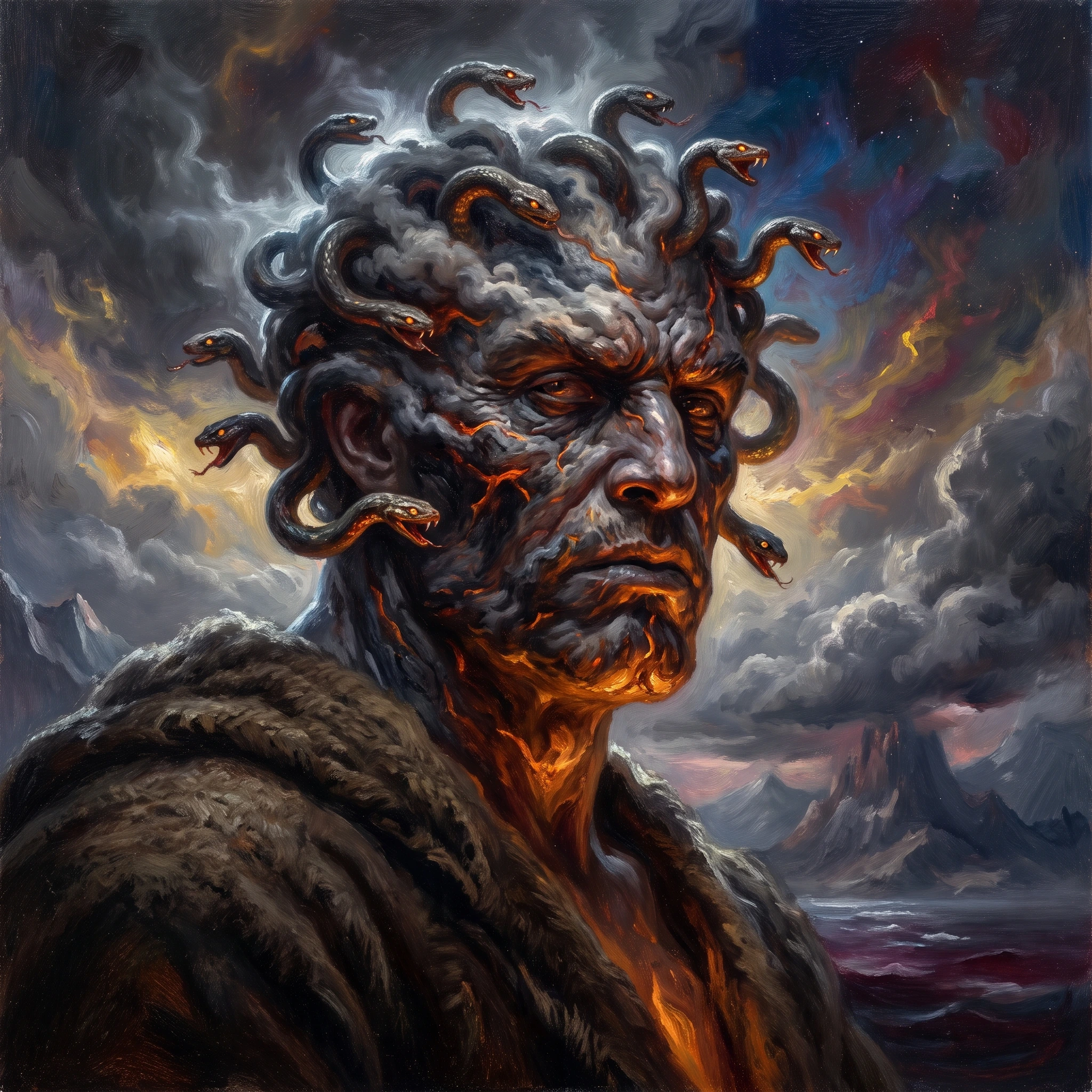
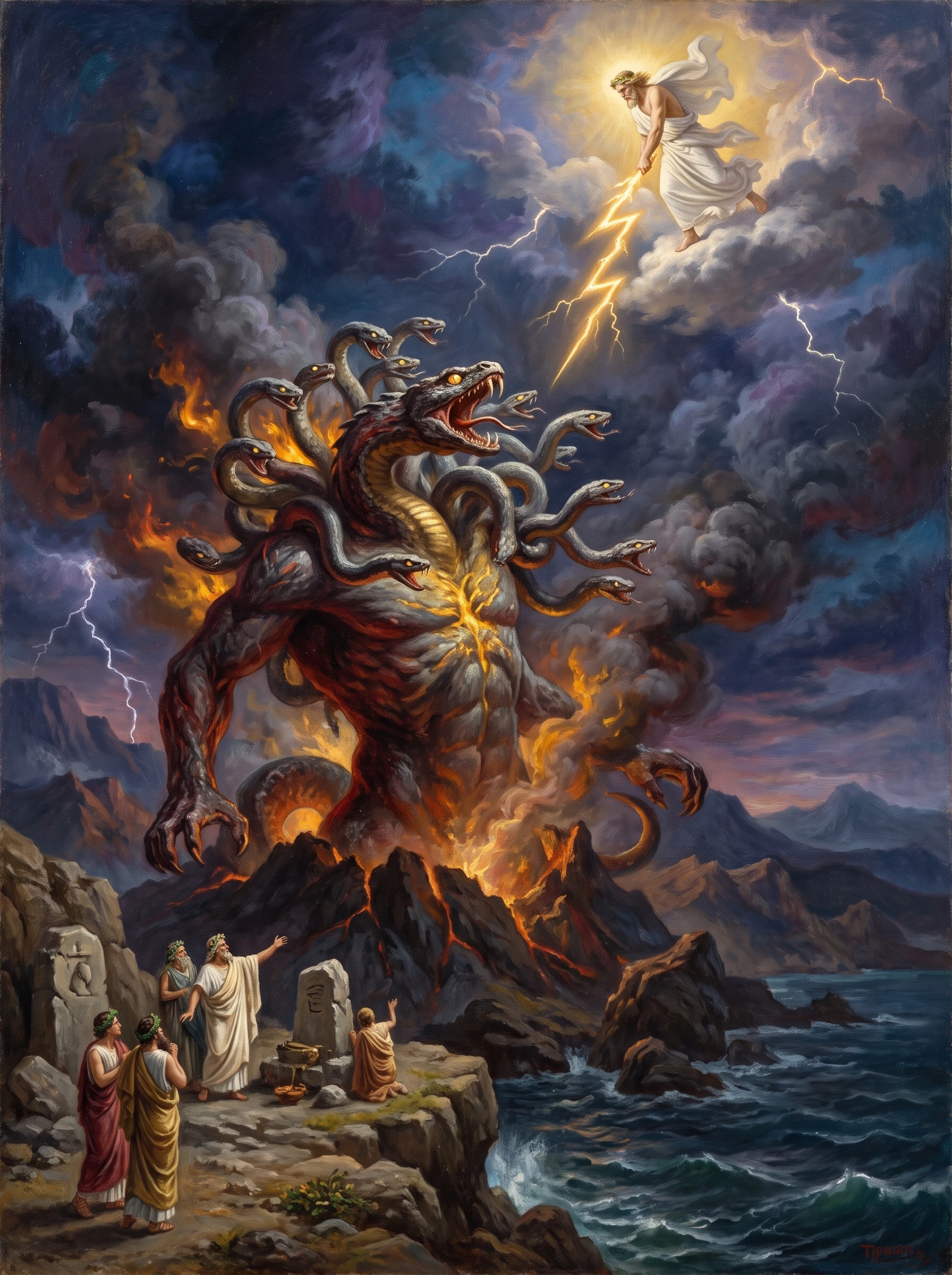
With her Titan children in the pit, Gaia turns against the king she made — and bears her last child to Tartarus himself: Typhoeus, a god-storm with a hundred fire-eyed serpent heads roaring in every voice in creation. Had Zeus hesitated, the monster would have ruled gods and mortals. The duel melts whole regions of the earth like tin in a crucible before Typhoeus falls, scorched, into Tartarus — though his breath still leaks into the world as the storm-winds that wreck sailors and ruin harvests. The old chaos is defeated; it is never abolished.
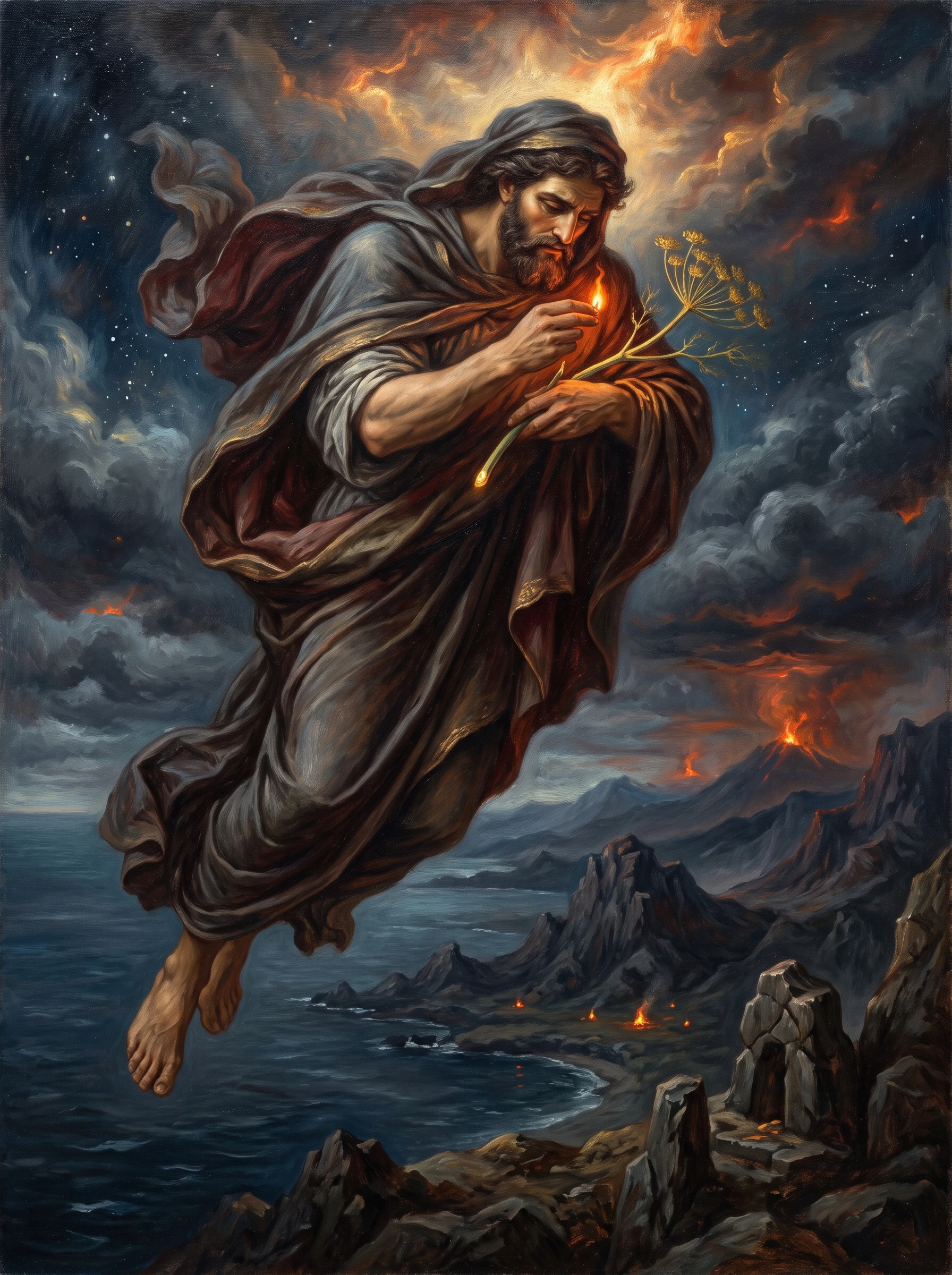
Prometheus and the Price of Fire
The Titan Prometheus — Forethought — takes humanity's side against heaven. At Mekone he tricks Zeus into accepting bones wrapped in gleaming fat as the gods' share of every sacrifice; when Zeus withholds fire in revenge, Prometheus steals it back in a smoldering fennel stalk. The counterstrikes are terrible: for mortals, the first woman — a beautiful evil later ages call Pandora — and for the thief, chains on a mountain and an eagle that eats his immortal liver by day while it regrows by night, until Heracles is finally allowed to set him free.
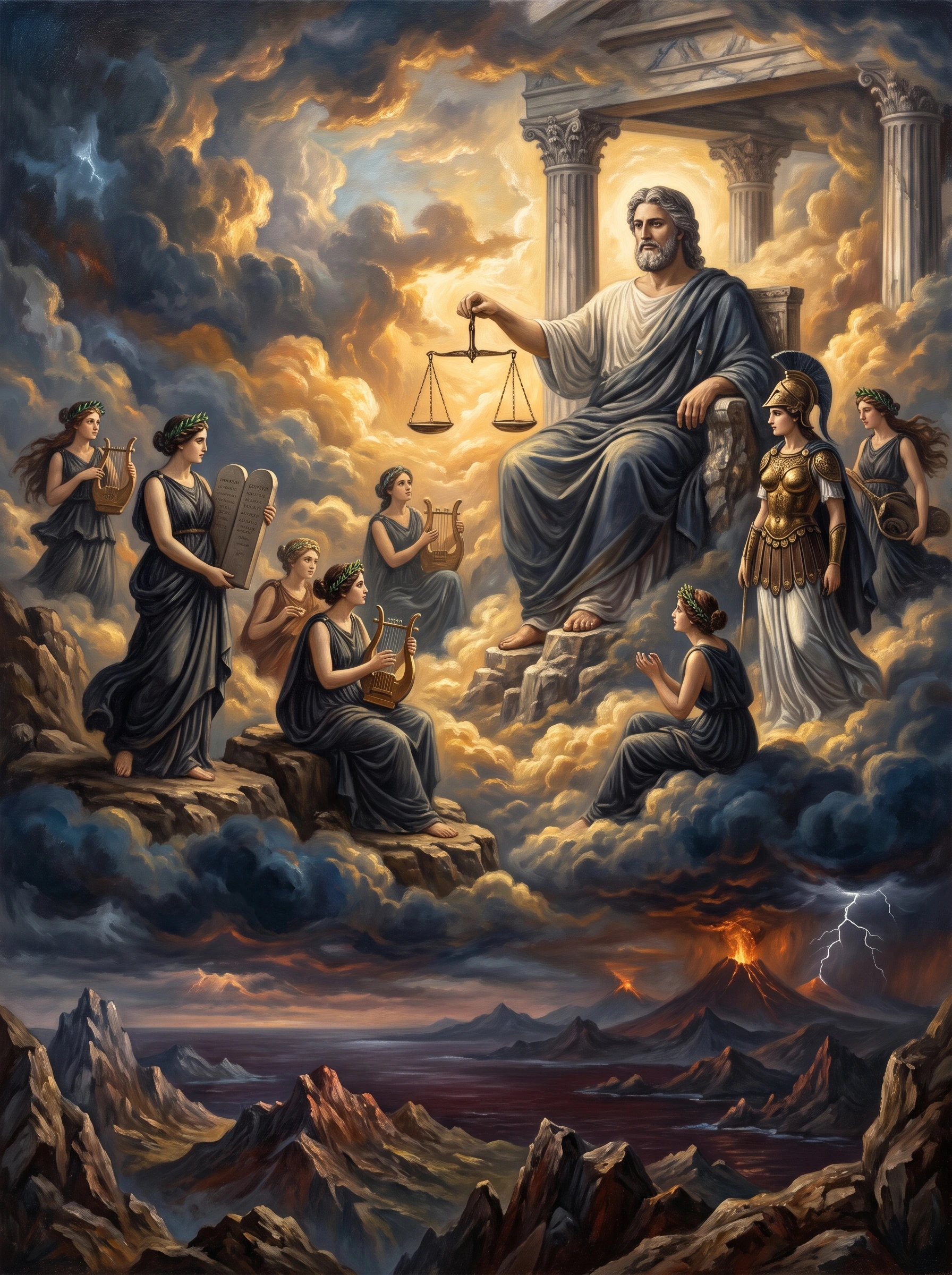
The Order of Olympus
The victorious gods ask Zeus to rule, and his first act is to divide honours fairly among the immortals. When the old curse returns — his wife Metis is destined to bear a son greater than his father — Zeus swallows Wisdom herself, and her daughter Athena is born instead from his own head, fully armed. The engine of the poem stops with a birth, not a battle. Marriage by marriage the universe is woven into government — Law bears the Seasons and the Fates, Memory bears the nine Muses — and the song ends where it began, with the singers themselves, daughters of the new order.