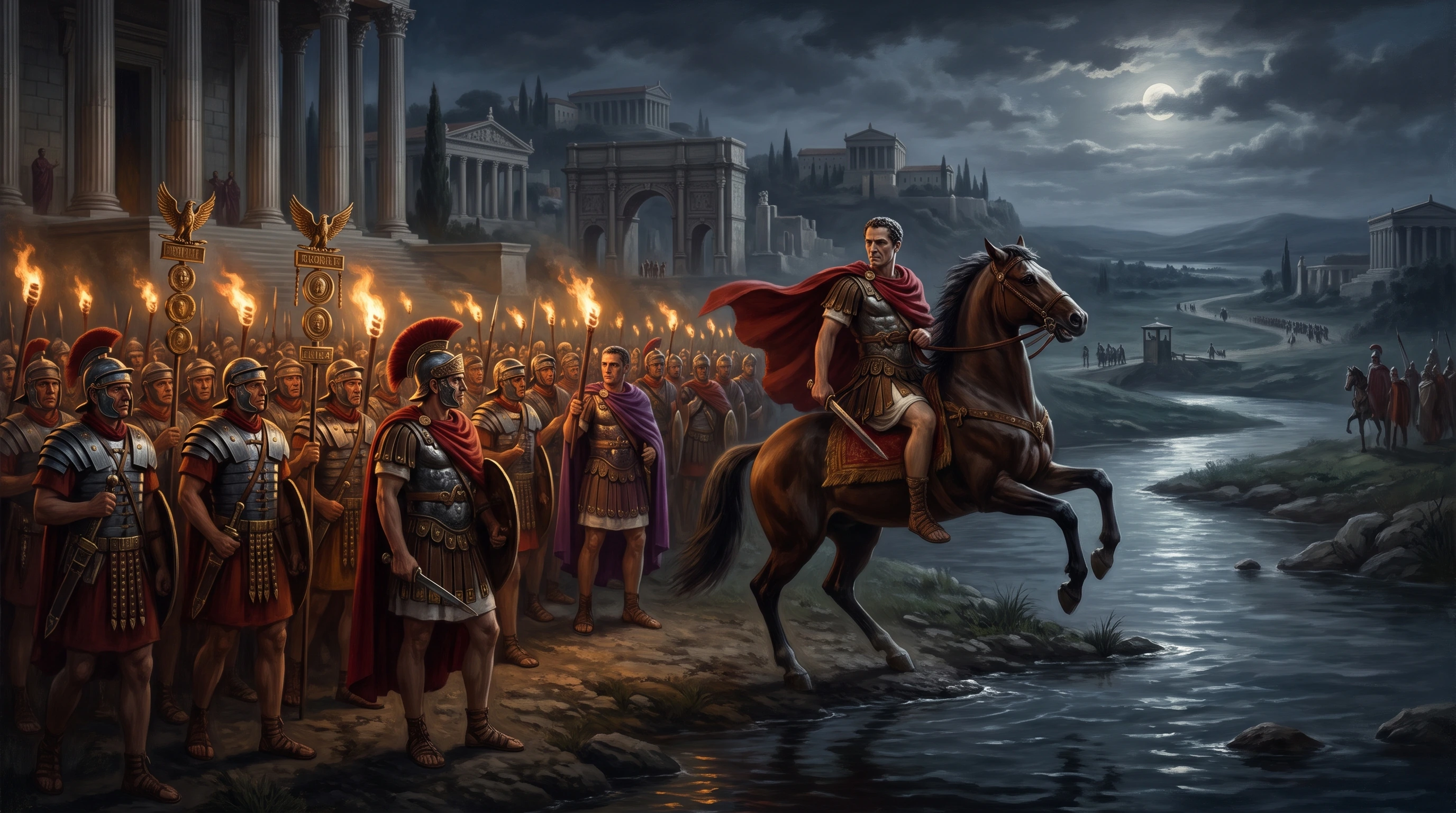
The Rise of Caesar
Suetonius's life of Julius Caesar — the proscribed boy who defied Sulla, the conqueror of Gaul, the man who crossed the Rubicon and became Rome itself, and the dictator struck down on the Ides of March.
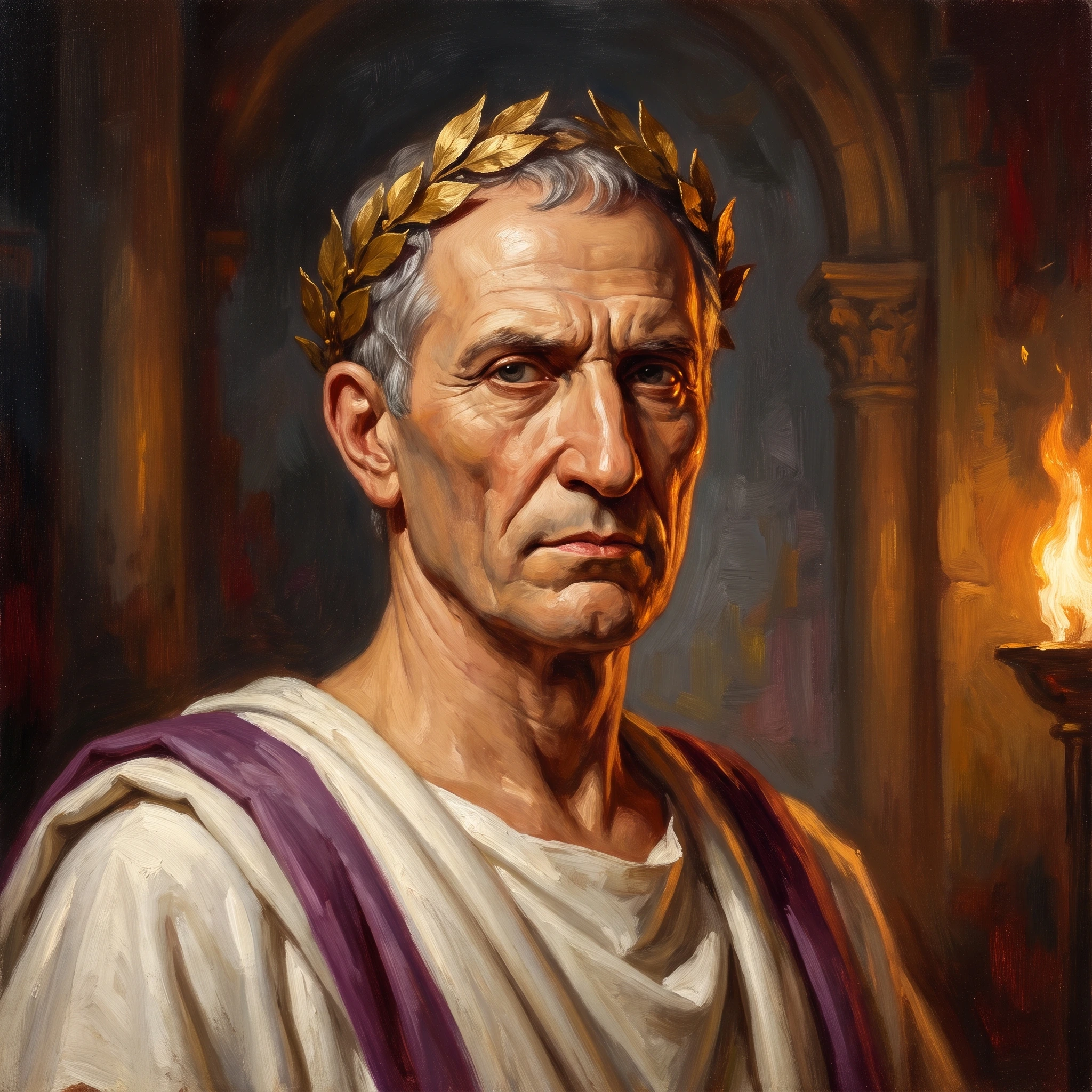
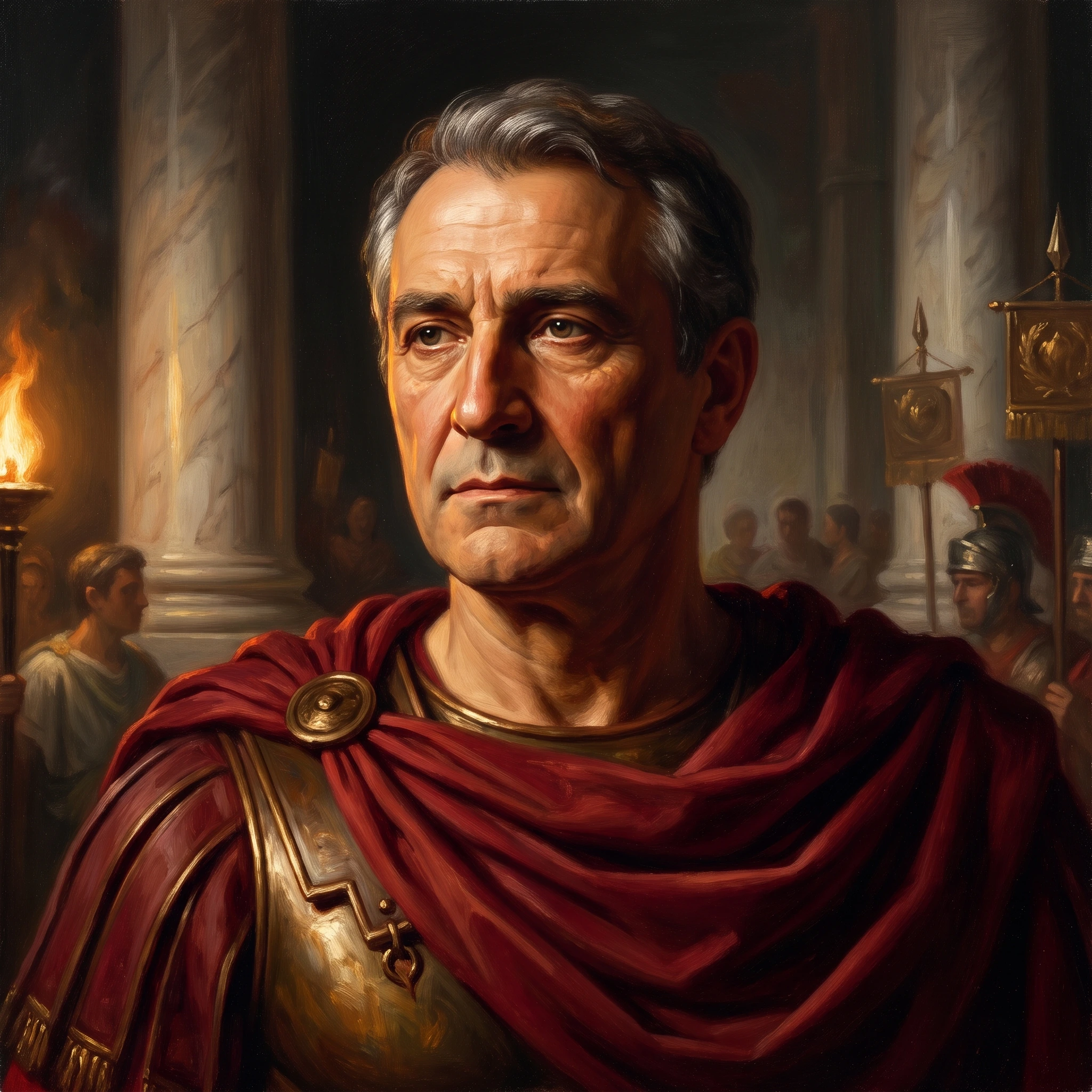
Short on Time?
The Whole Life in 15 Minutes
Young Caesar
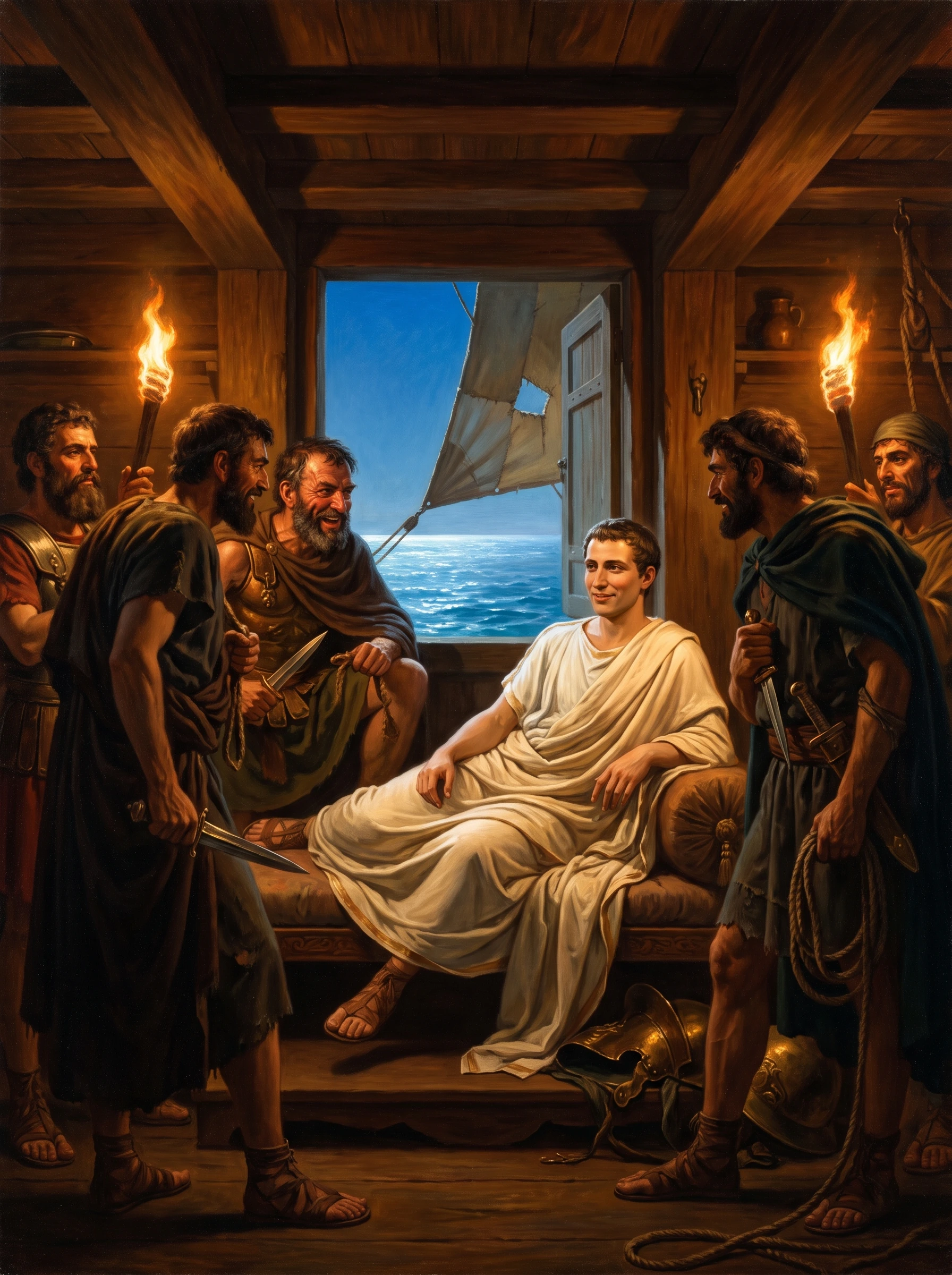
A patrician boy loses his father, defies the dictator Sulla over a marriage, flees through the countryside with a price on his head — and, captured by pirates, promises with a laugh to come back and crucify them all.
The Ladder of Power
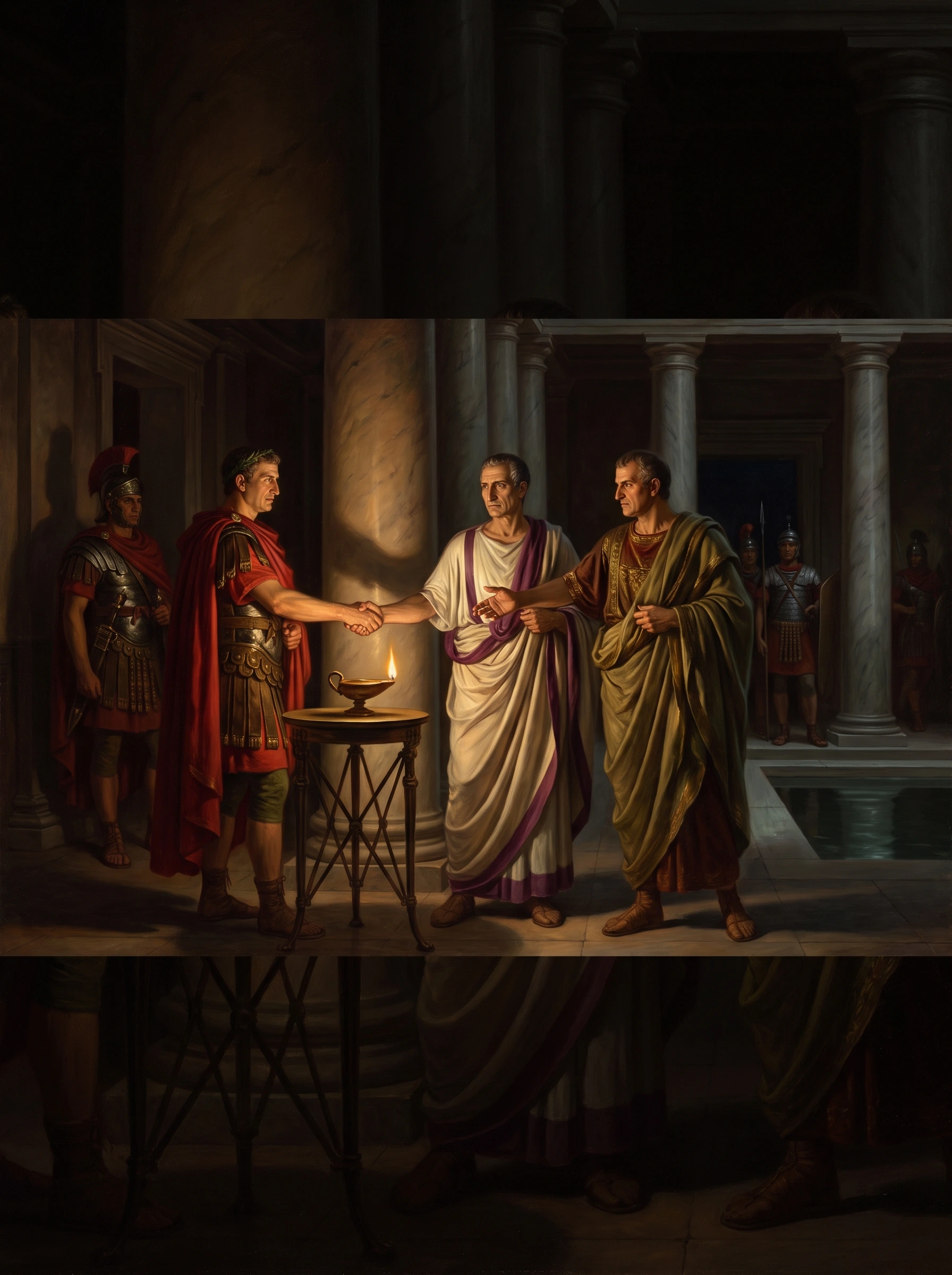
Aedile, high priest, praetor — Caesar buys Rome's love with borrowed gold and dazzling games, then binds Pompey and Crassus to him in the secret pact that will rule the Republic: the First Triumvirate.
The Conquest of Gaul
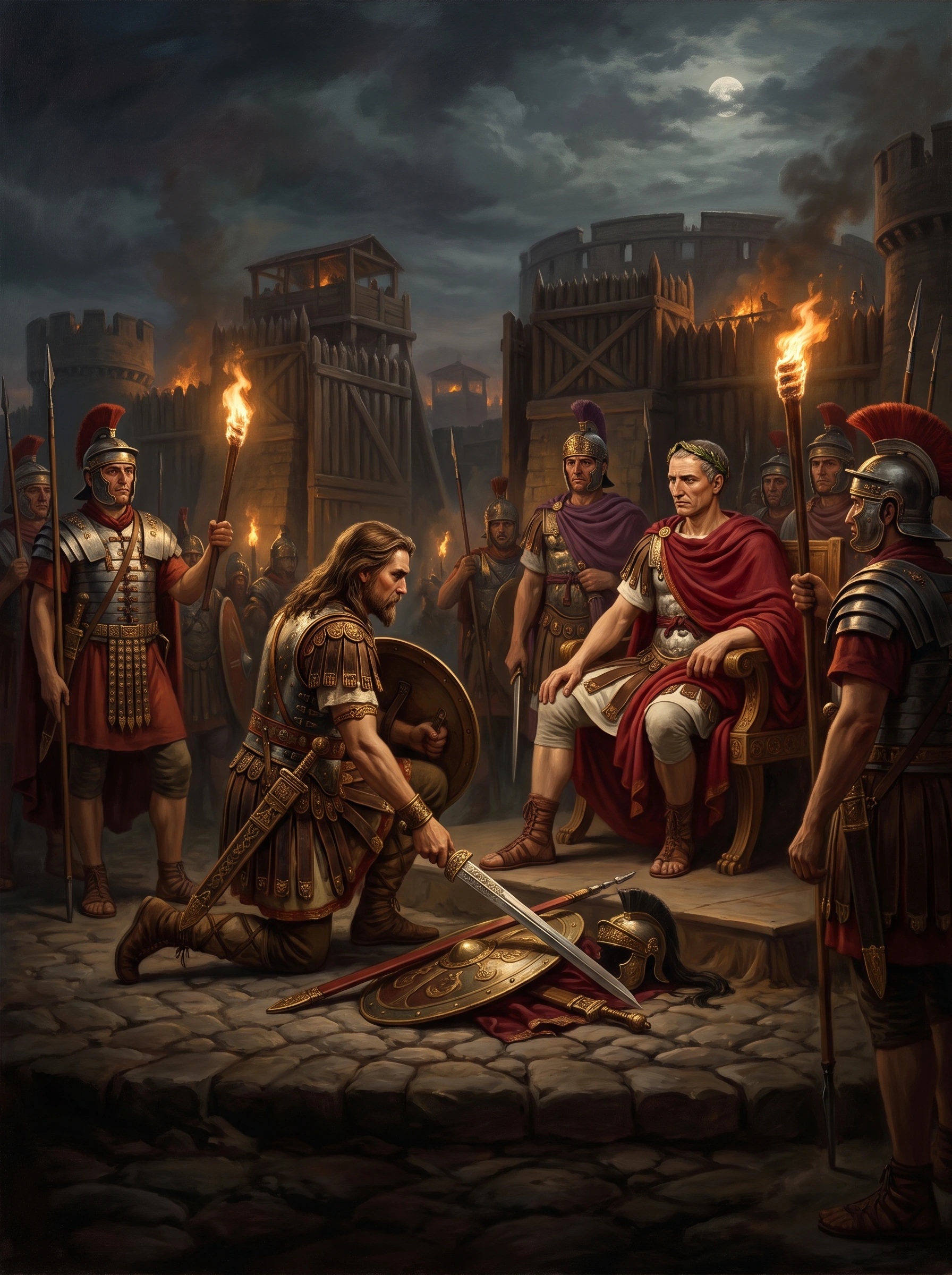
Nine years of war forge a legend. Caesar breaks the Helvetii and the Belgae, bridges the Rhine, sails to Britain, and at Alesia surrounds Vercingetorix behind two rings of siege — and emerges with the most loyal army in the world.
Crossing the Rubicon
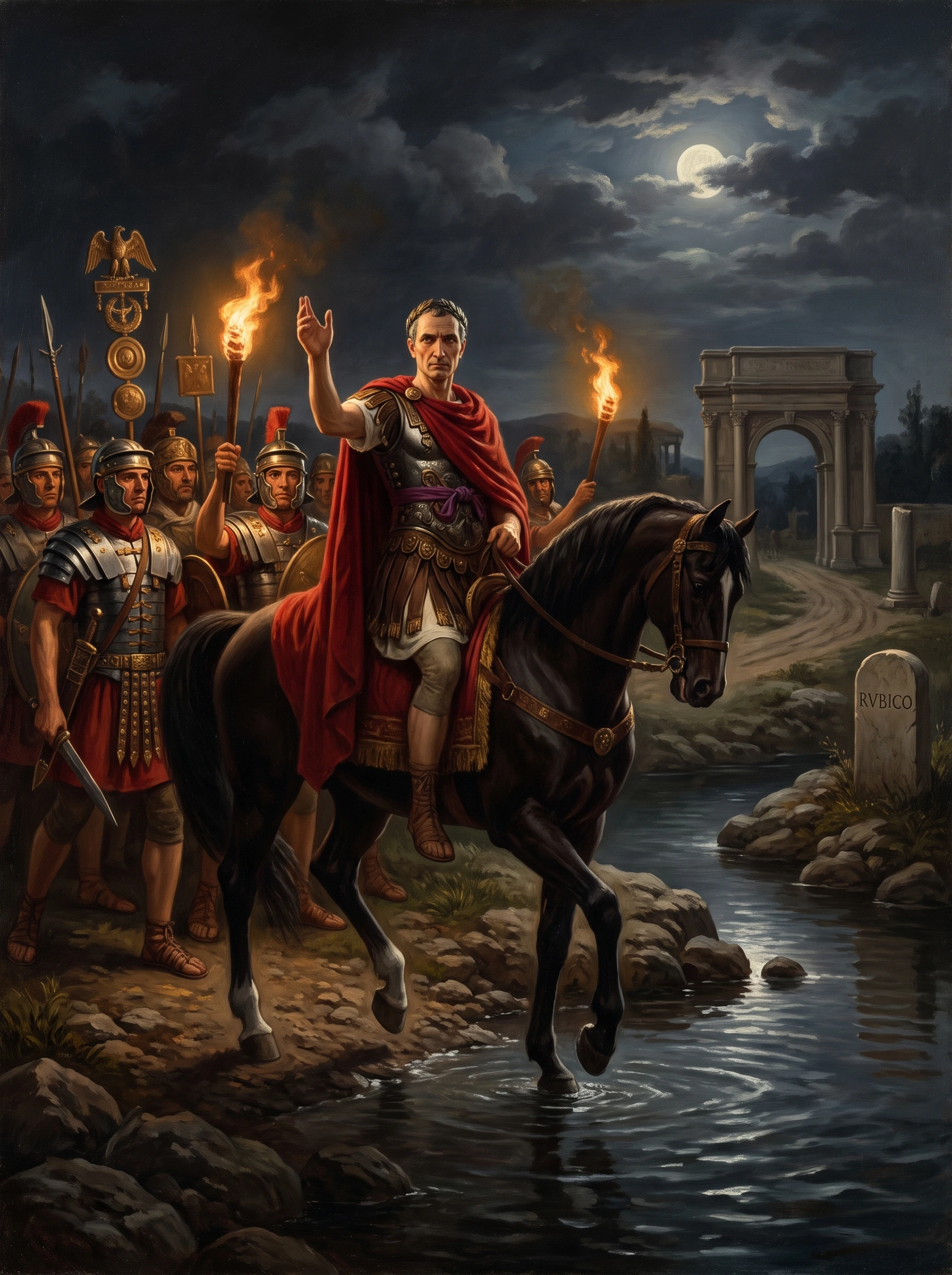
Ordered by the Senate to disband his army, Caesar halts at a little stream that marks the edge of Italy. "The die is cast," he says — and leads a single legion across the Rubicon into civil war.
The Civil War
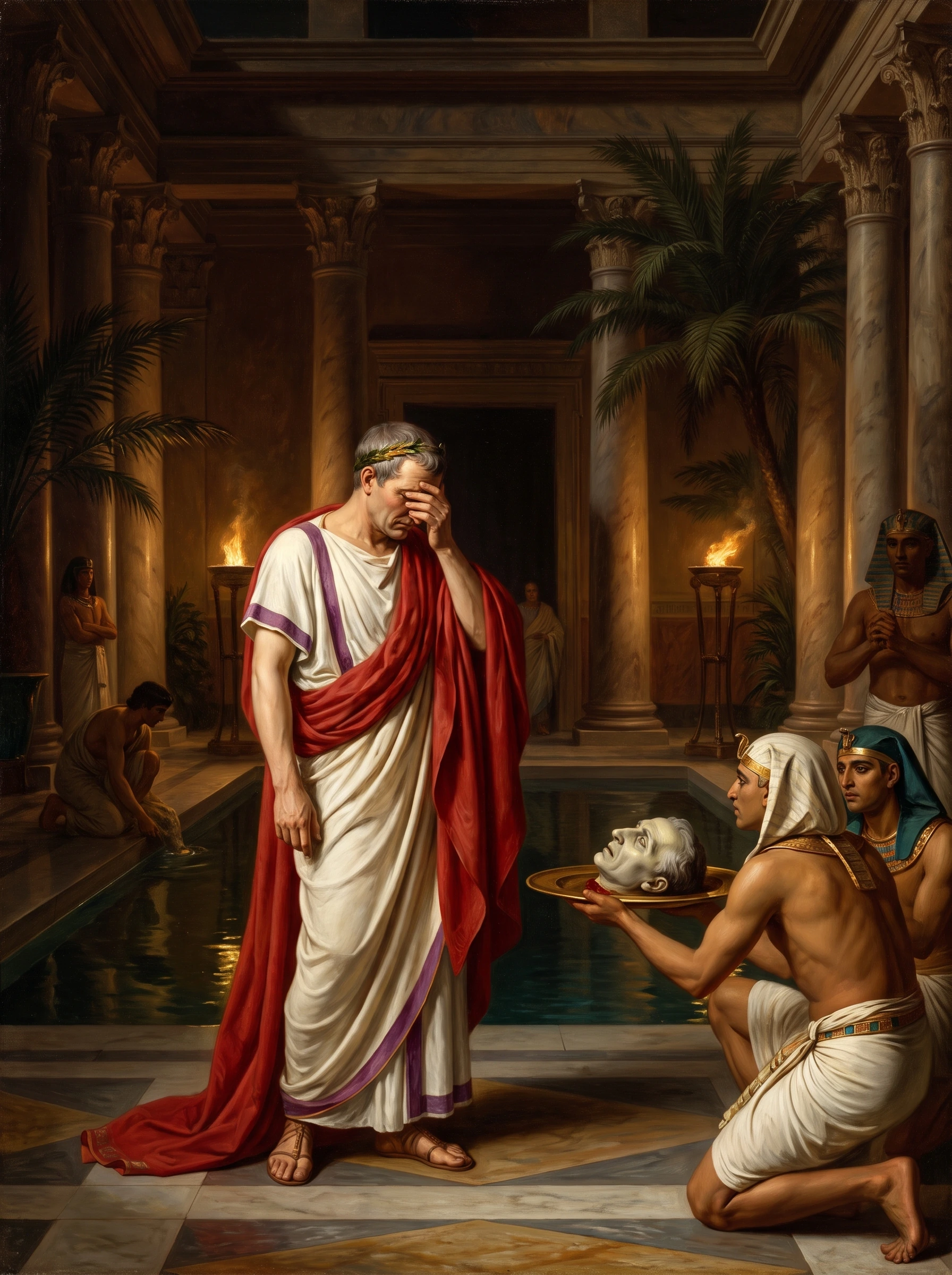
Caesar shatters Pompey at Pharsalus and hunts him to a murder on an Egyptian shore. Cato falls on his own sword at Utica rather than live under a master, and at Munda the last of the resistance dies in Spain.
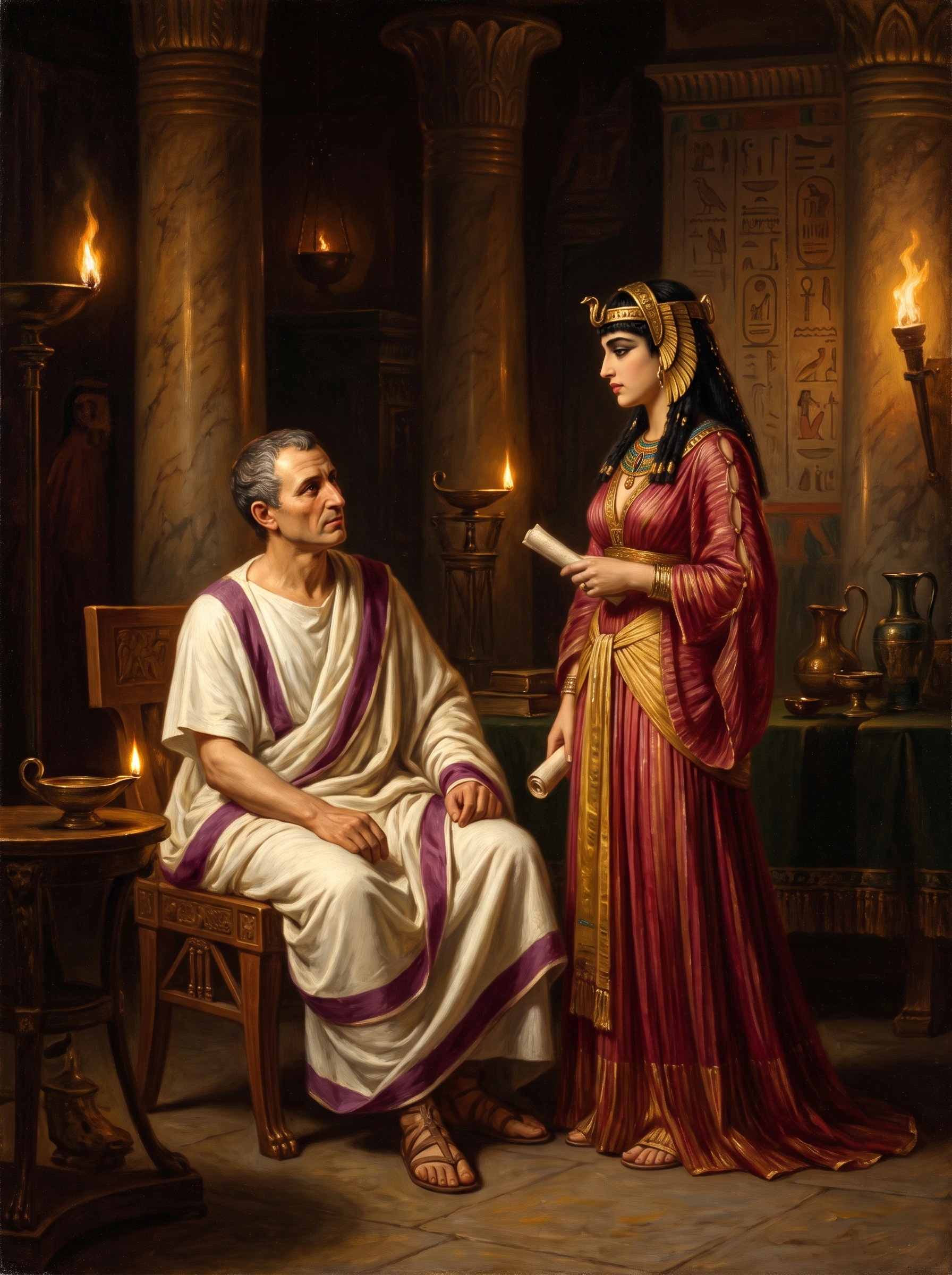
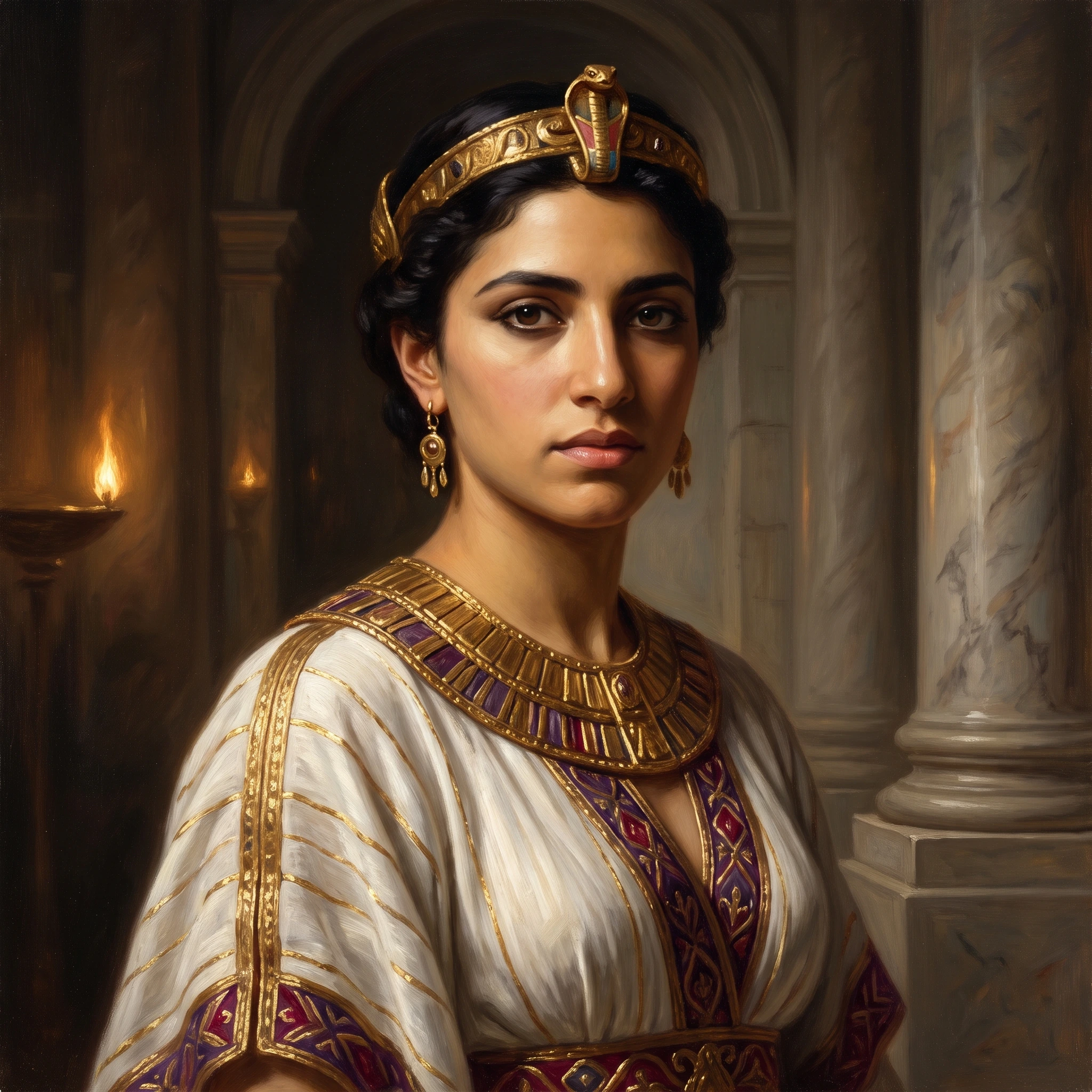
Caesar and Cleopatra
In Alexandria the conqueror meets the last queen of Egypt. They feast almost to daybreak and sail the Nile in a royal barge nearly to Ethiopia — and Cleopatra bears a son she names for him: Caesarion.
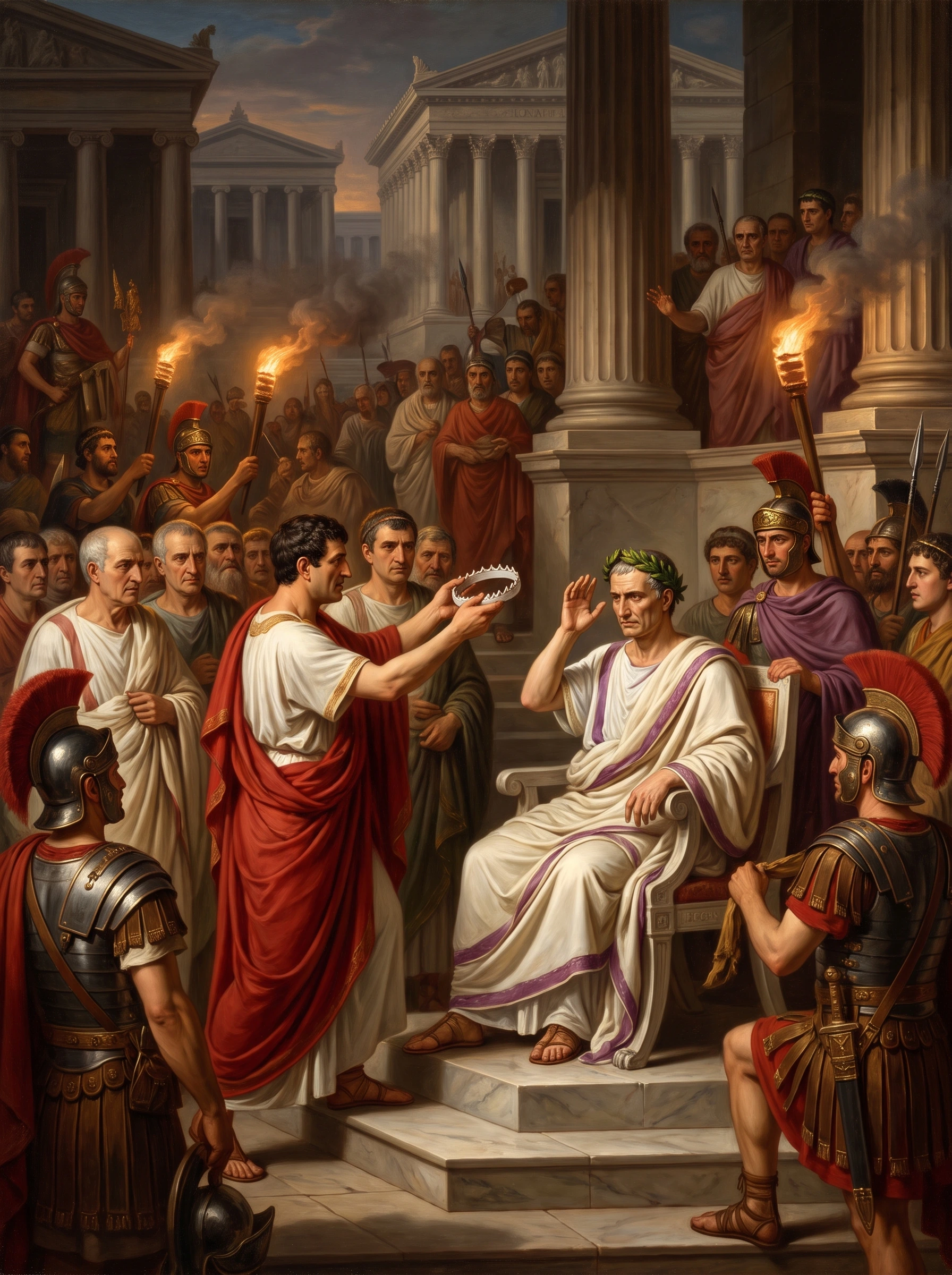
Dictator of Rome
Master of the world, Caesar reforms the calendar, fills the Senate, pardons his enemies, and rebuilds Rome — while every honour heaped upon him hardens into the one word the Republic cannot forgive: king.
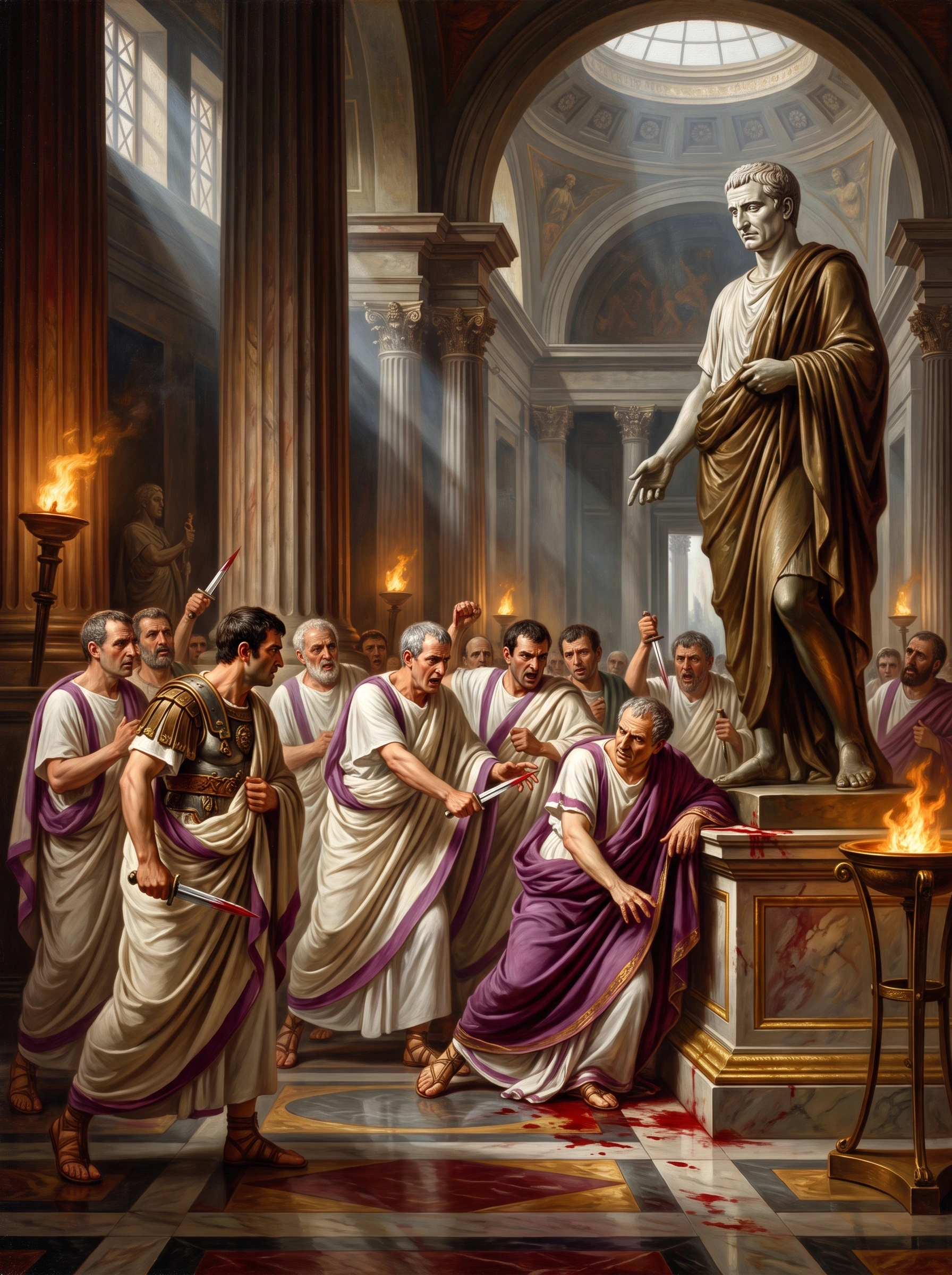
The Ides of March
Omens gather, Calpurnia dreams of his death, and a soothsayer names the day. Caesar goes to the Senate anyway — and falls beneath twenty-three wounds at the foot of Pompey's statue, where history ends and tragedy begins.