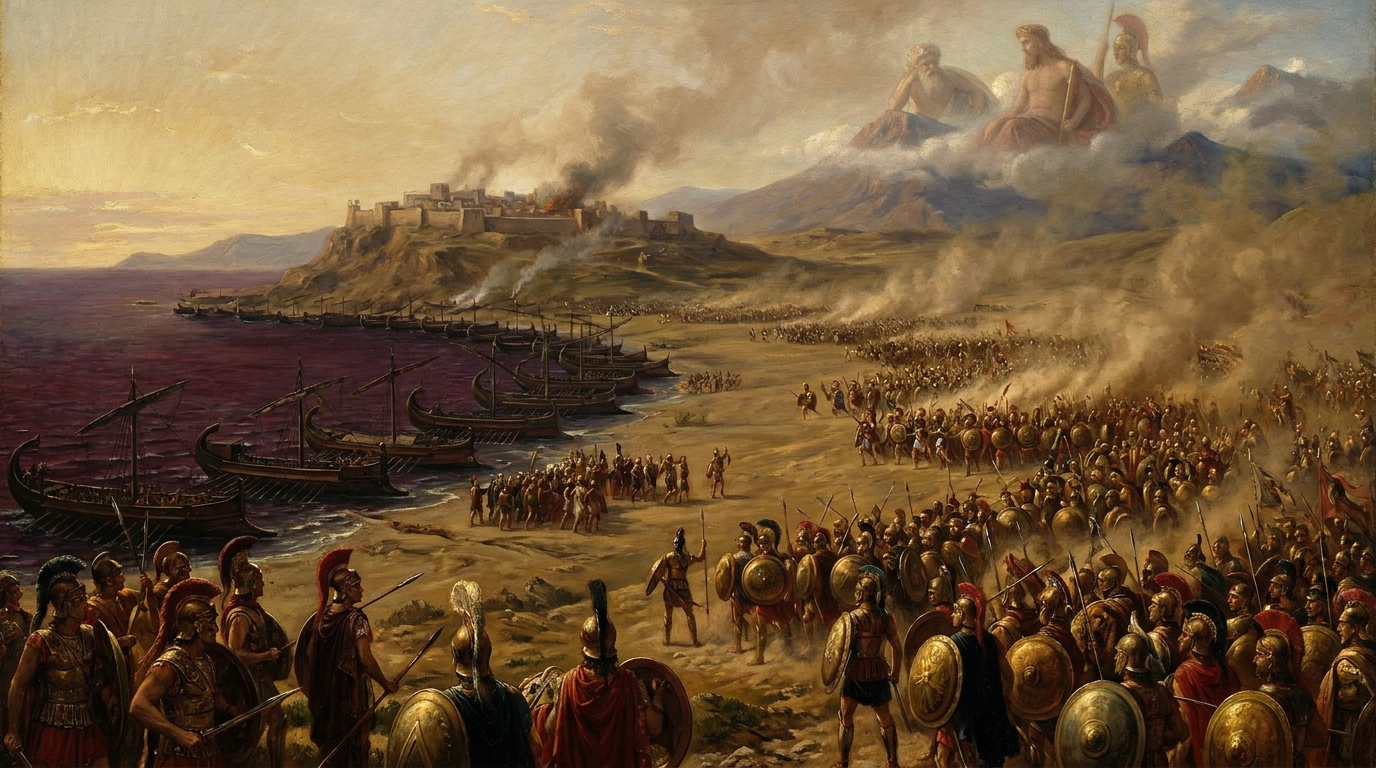
 First
FirstThe war that stranded him
The Iliad
Ten years of war outside the walls of Troy — the quarrel of Achilles, the fall of Hector, and the wooden-horse trick Odysseus himself devised to end it. This is the war the movie assumes you already know.
Now in theatres · Christopher Nolan's film
Walking into The Odyssey without knowing your Odysseus from your Achilles? Here's who's who, which gods are on whose side, and the war the movie assumes you already know — spoiler-safe, and illustrated.
Homer told it in two epics. The war comes first — then the long way home. Nolan filmed the second half.
FirstThe war that stranded him
Ten years of war outside the walls of Troy — the quarrel of Achilles, the fall of Hector, and the wooden-horse trick Odysseus himself devised to end it. This is the war the movie assumes you already know.
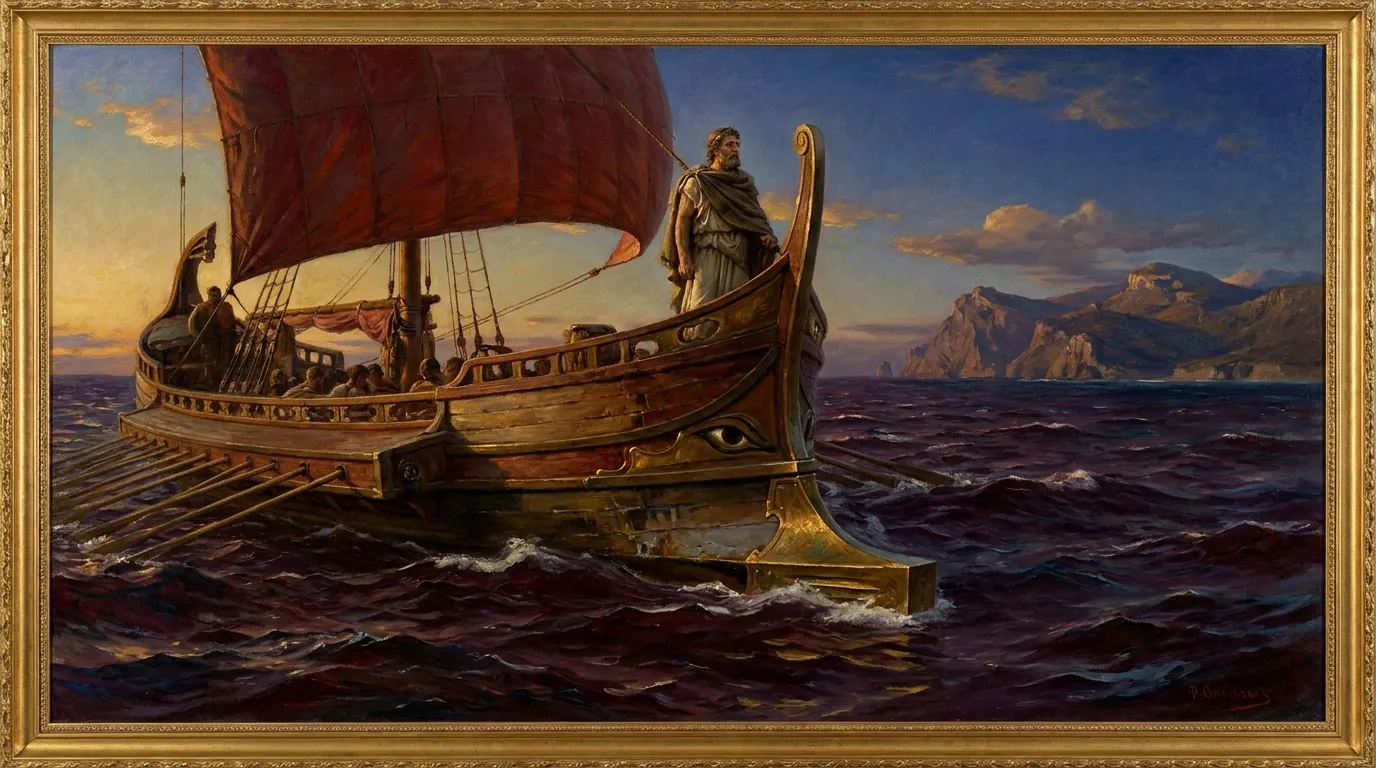 Then
ThenThe ten-year journey home
The war is won — but getting home takes Odysseus another ten years. Storms, monsters, goddesses, and a house full of men trying to take his wife and throne. This is the half Nolan filmed.
Before you watch
Everyone you'll hear named, sorted into the family he's racing home to, the kings of the war, and the perils in his way. (The gods are just below.)

Matt Damon
King of Ithaca and the war's cleverest strategist — the soldier who just wants to get home.

Anne Hathaway
His wife, holding Ithaca alone for twenty years against a house full of men pressing her to remarry.

Tom Holland
Their son — a baby when his father left for war, now grown and setting out to find him.
Odysseus's aged father, living out his grief on a farm outside the city.
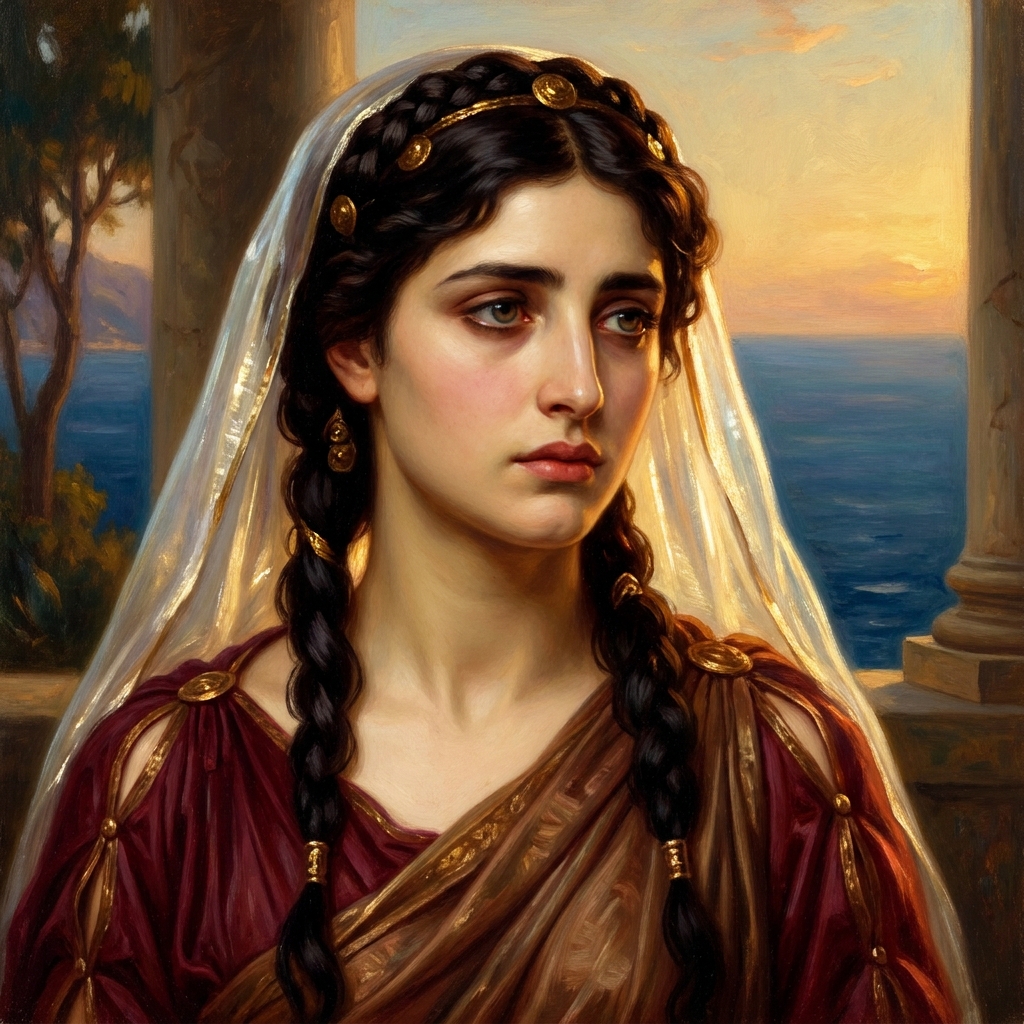
Said to be the most beautiful woman in the world — the wife of the Spartan king Menelaus, whose flight to Troy with Paris is the spark that lit the whole war.
A prince of Troy who carried Helen off from Sparta — the reckless act that brought a thousand Greek ships down on his city.
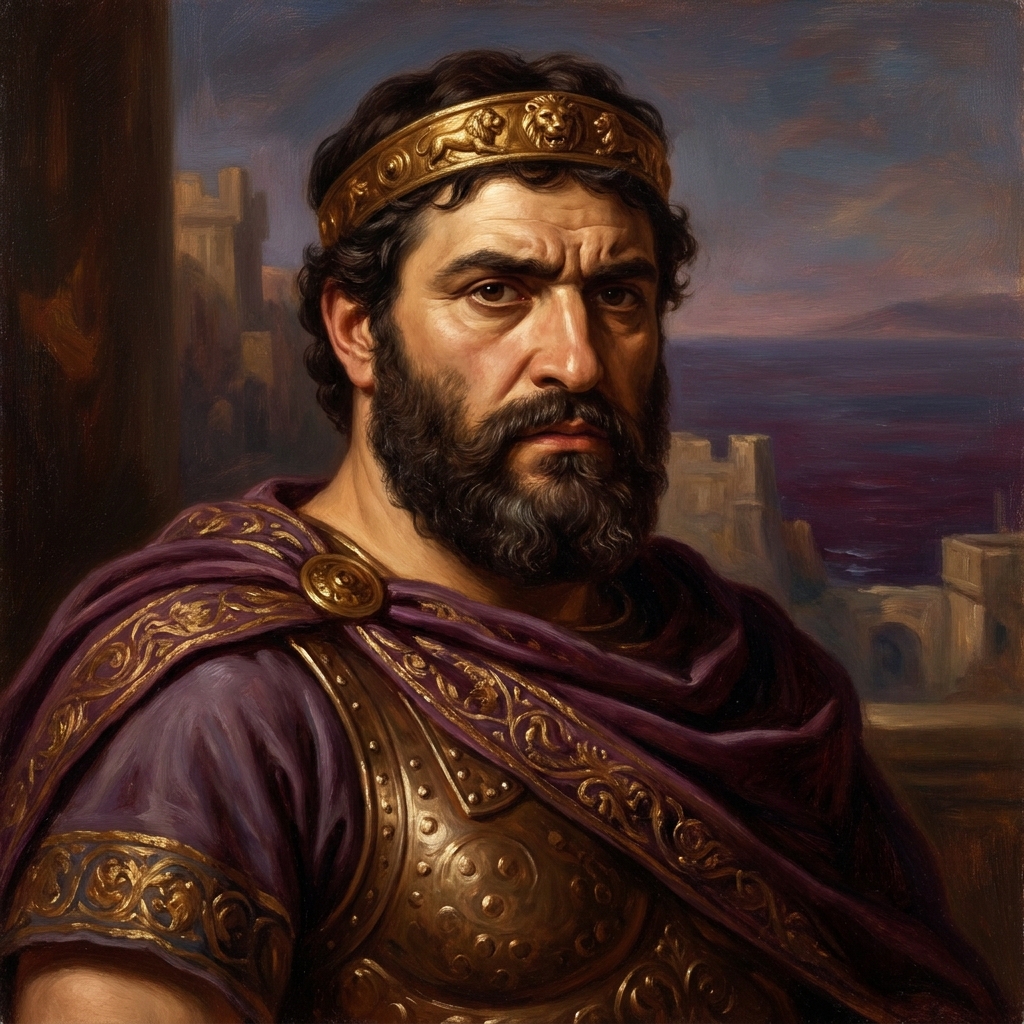
The Greek high king who commanded the army at Troy — the Iliad's most powerful, and most quarrelsome, leader. His own return home is the shadow Odysseus is measured against.
King of Sparta and Helen's husband — the wrong done to him is what started the whole war.
The oldest and wisest of the Greek kings; Telemachus seeks him out for news of his father.

The one-eyed giant whose island is an early, fateful stop — and the reason Poseidon turns against him.
A gentle people whose flower makes his men forget home entirely.

An enchantress on a hidden island — a power who both helps and hinders the journey.
Singers whose song lures passing sailors onto the rocks.
A six-headed monster and a devouring whirlpool guarding a narrow strait — with no wholly safe way through.
A goddess who keeps Odysseus on her island for years, offering him immortality if only he'll stay.
Odysseus spent ten years fighting at Troy — the war of the Iliad, sparked when Paris carried off Helen. It ended with his own idea: the wooden horse that hid soldiers inside the city walls. Then the way home took ten more years. The movie opens deep into that second decade.
You don't need the whole war going in — just this: the fighting is over, and a man is trying to get home to a wife and a son he left as a baby.
The Trojan War in 12 minutesWisdom itself is on his side; she guides and protects him, and pleads his case to Zeus.
Odysseus wronged the sea-god's son, and Poseidon makes the ocean itself his punishment.
King of the gods and the final word — the journey turns on whether he lets Odysseus home.
The messenger of the gods; he carries Zeus's commands down to earth and steps in to help Odysseus at the turning points.
Keeper of the winds — he tries to speed Odysseus straight home with a gift of fair weather.
The sun god, whose sacred cattle are a temptation the crew is sternly warned never to touch.
Odysseus reaches Ithaca in disguise, reveals himself by stringing a bow no one else can bend, and — with Telemachus and Athena's help — takes back his hall and his wife. The homecoming, not the monsters, is the real point.
Athena engineers the disguise and brokers the final peace; Poseidon's grudge is what stretched the journey to ten years in the first place. The mortals act, but the gods set the board.
Nolan has said his aim is a personal, accessible story rather than a historically exact reconstruction — which is why early footage drew debate (an anachronistic ship, modern-sounding dialogue). Treat the film as one director's reading of Homer, not the text itself; the renditions below are the text.
The movie IS the Odyssey, but it begins after the Trojan War — the war told in the Iliad. The Iliad is the setup; the Odyssey is the journey home. They're two halves of one story.
The Iliad is named for a place — Ilios, the Greek name for Troy — because it's the poem of the Trojan War. The Odyssey is named for a person, its hero Odysseus, because it's the story of his long way home. One epic is about a city's war; the other about one man's journey. (The word ‘odyssey’ now means any long, wandering journey — after Homer's hero.)
The King of Ithaca and the cleverest of the Greek commanders at Troy — the man who devised the Trojan Horse. The Odyssey is his ten-year struggle to get home afterward.
Ten years fighting at Troy, then ten more lost at sea — the sea-god Poseidon holds a grudge and keeps the way home long and dangerous.