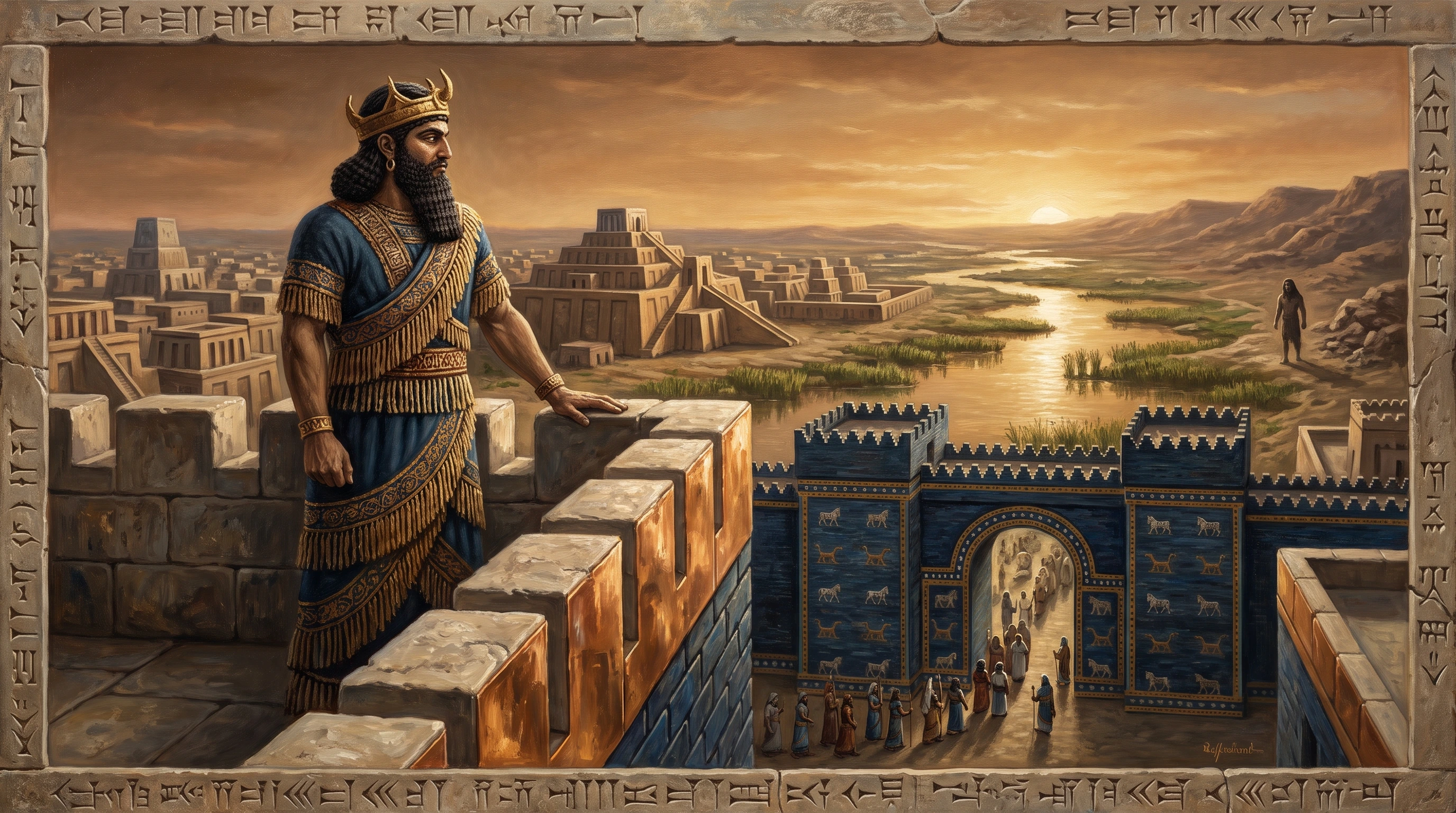
The Epic of Gilgamesh — The Oldest Epic in the World
The worlds oldest epic, retold from the pioneering 1876 translation of George Smith and the Jastrow–Clay Old Babylonian tablets — Gilgamesh and Enkidu, Humbaba, Ishtar, the Flood, and the quest for immortality.
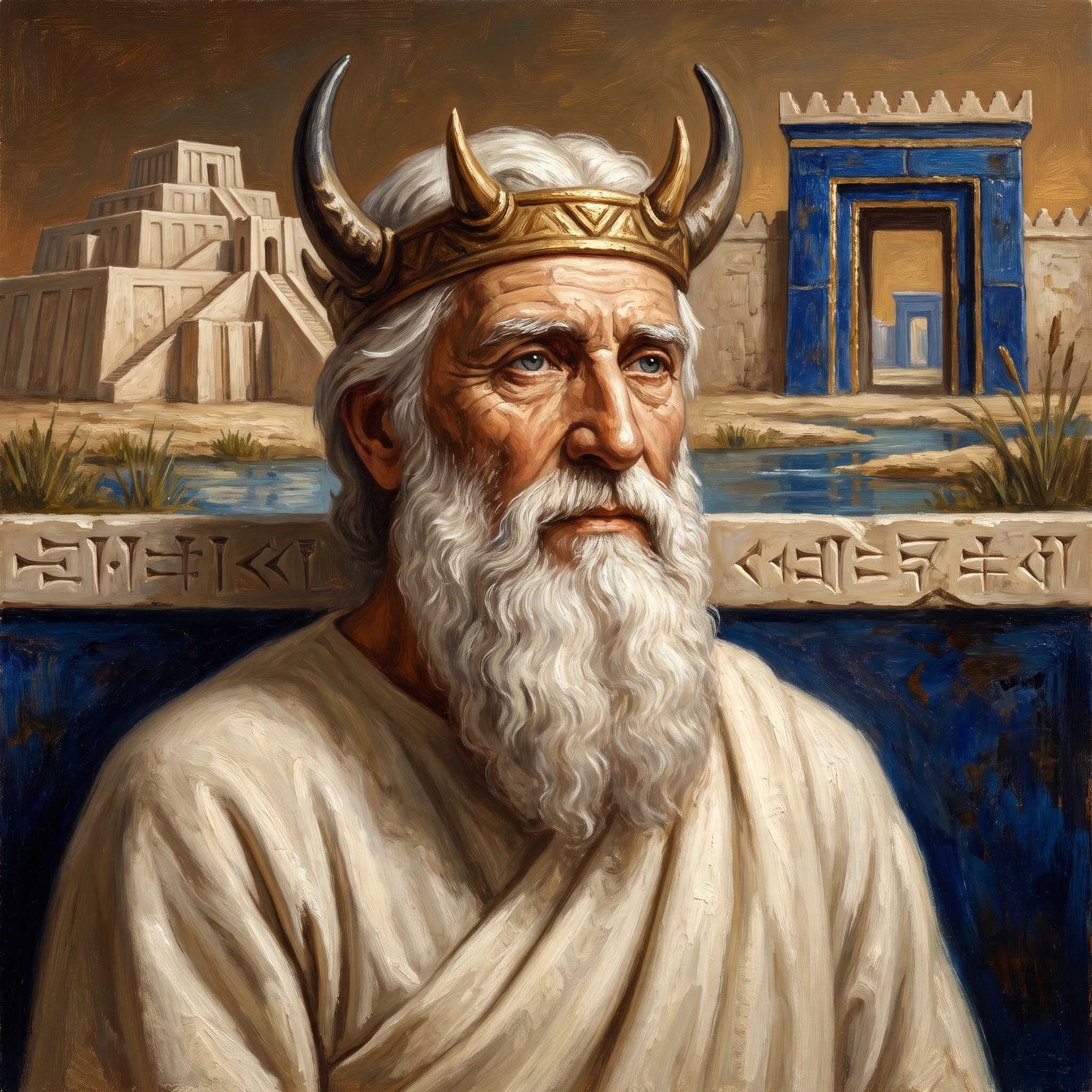
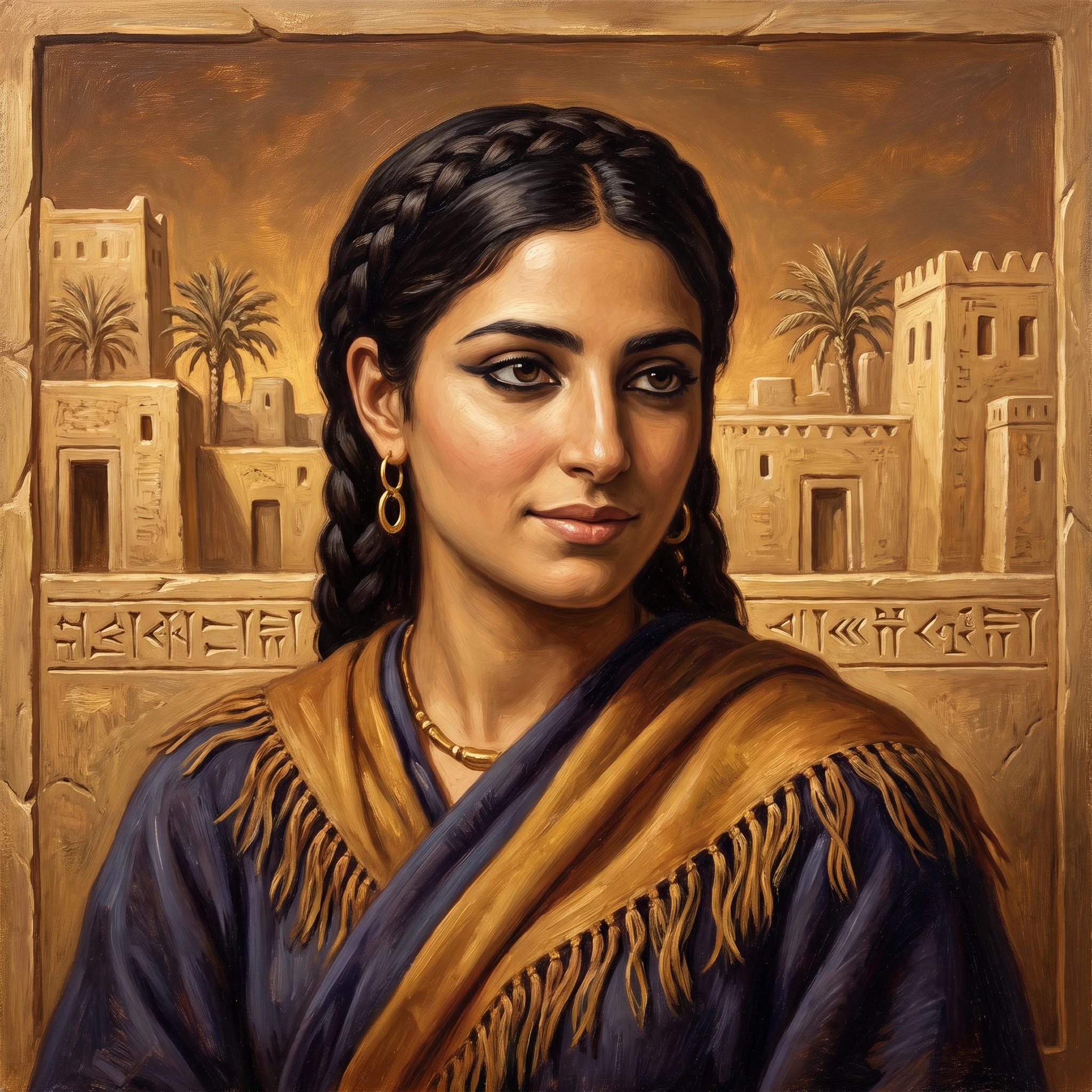
Short on Time?
The Oldest Story in the World: Gilgamesh, Death, and the Flood
The Tyrant of Uruk
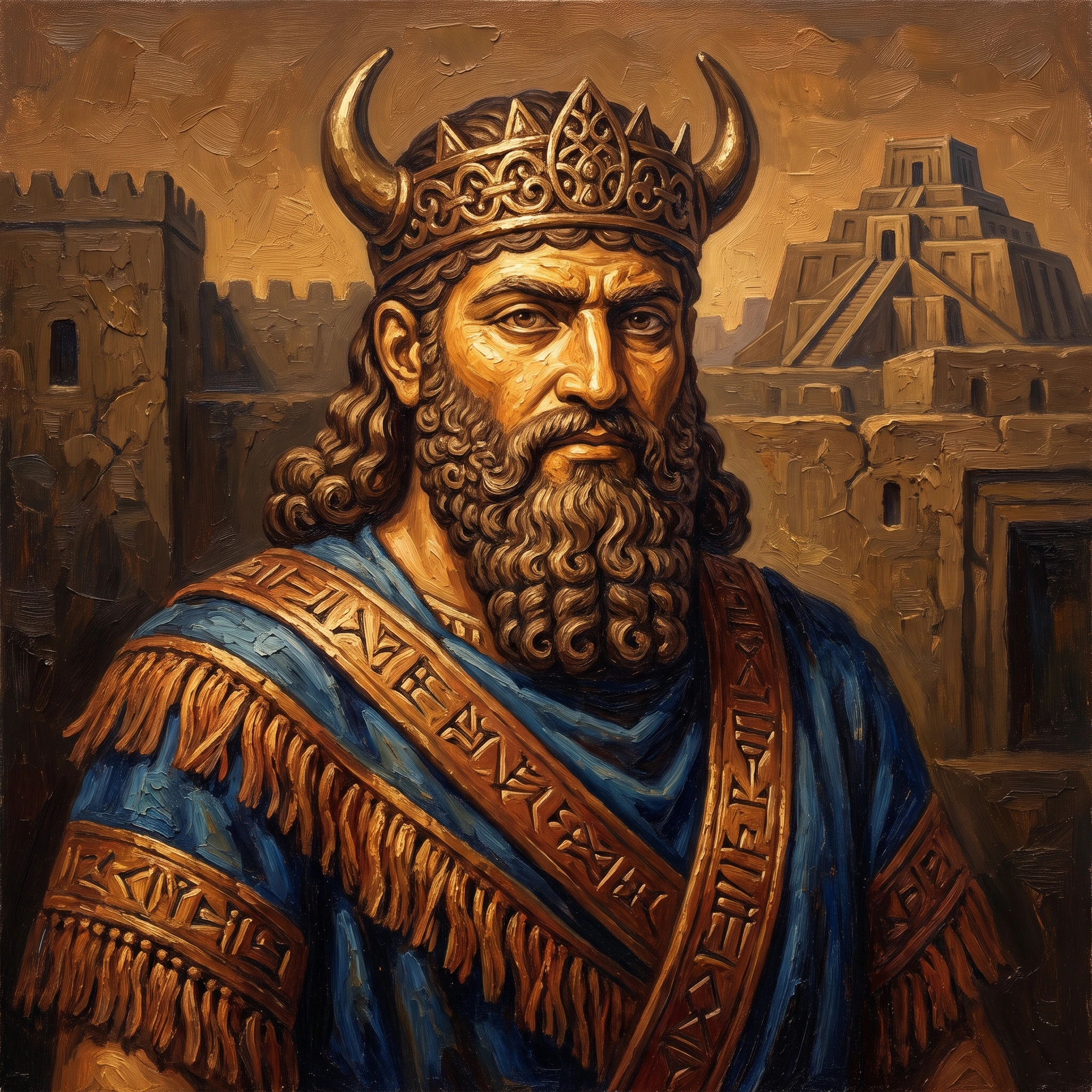
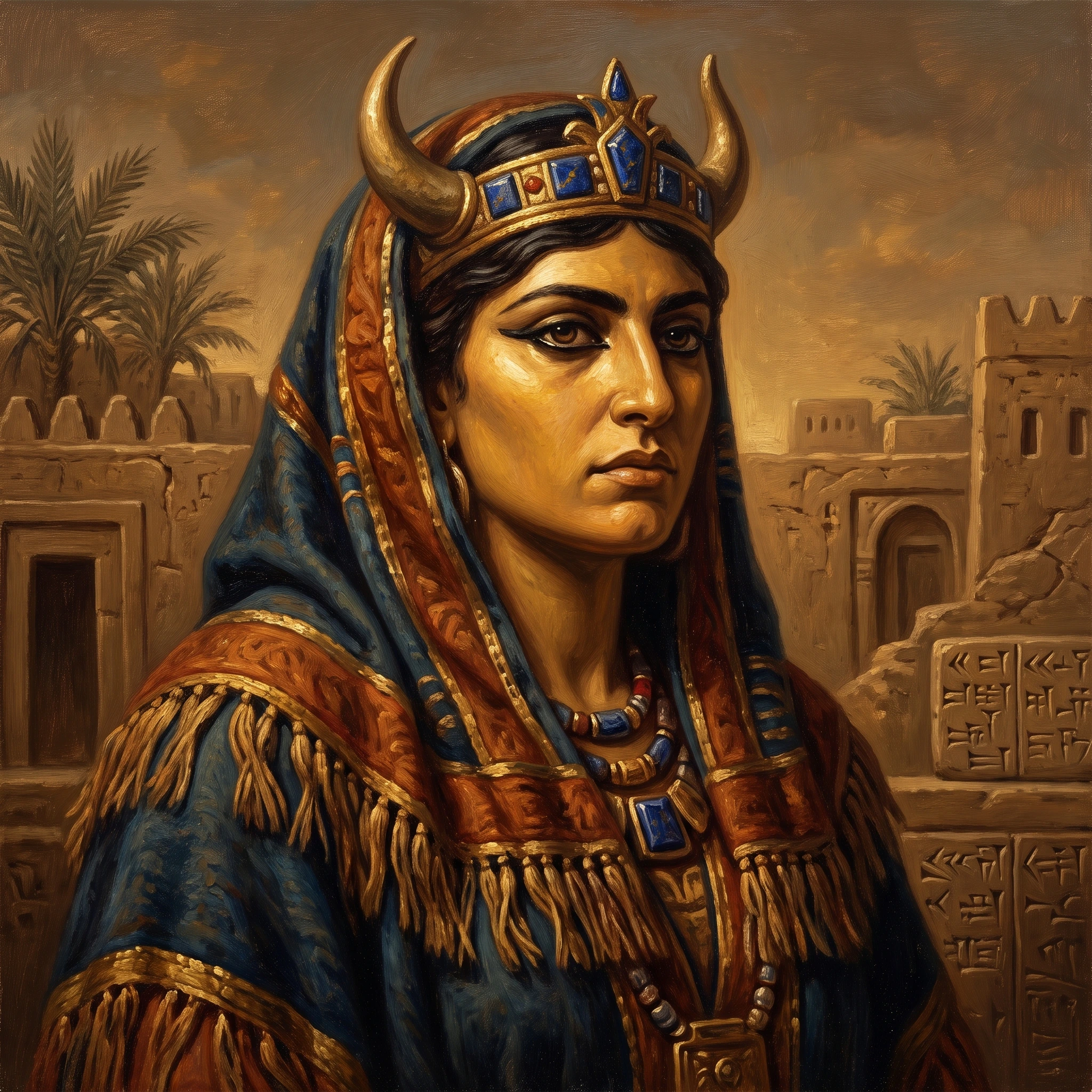
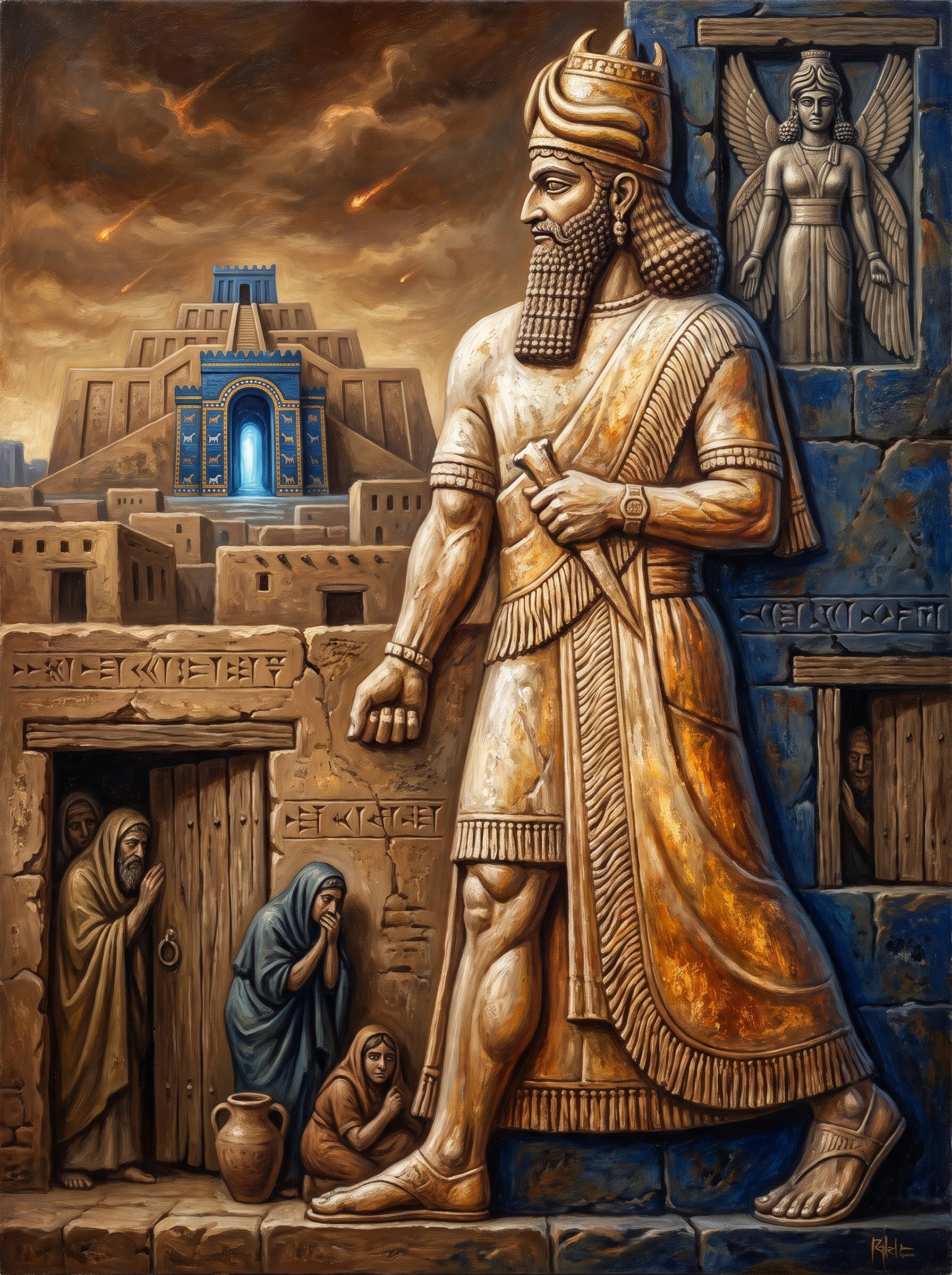
Gilgamesh, two parts god and one part man, raises the great walls of Uruk but grinds his own people down until their lament reaches heaven. The gods answer: his mother, the goddess Ninsun, asks that a match be made for him, and Aruru pinches off clay to shape a wild equal in the wilderness. Twice Gilgamesh dreams of a fallen star and an axe he loves like a brother, and his mother reads the omen — a companion is coming who will still the storm in his heart.
The Coming of Enkidu
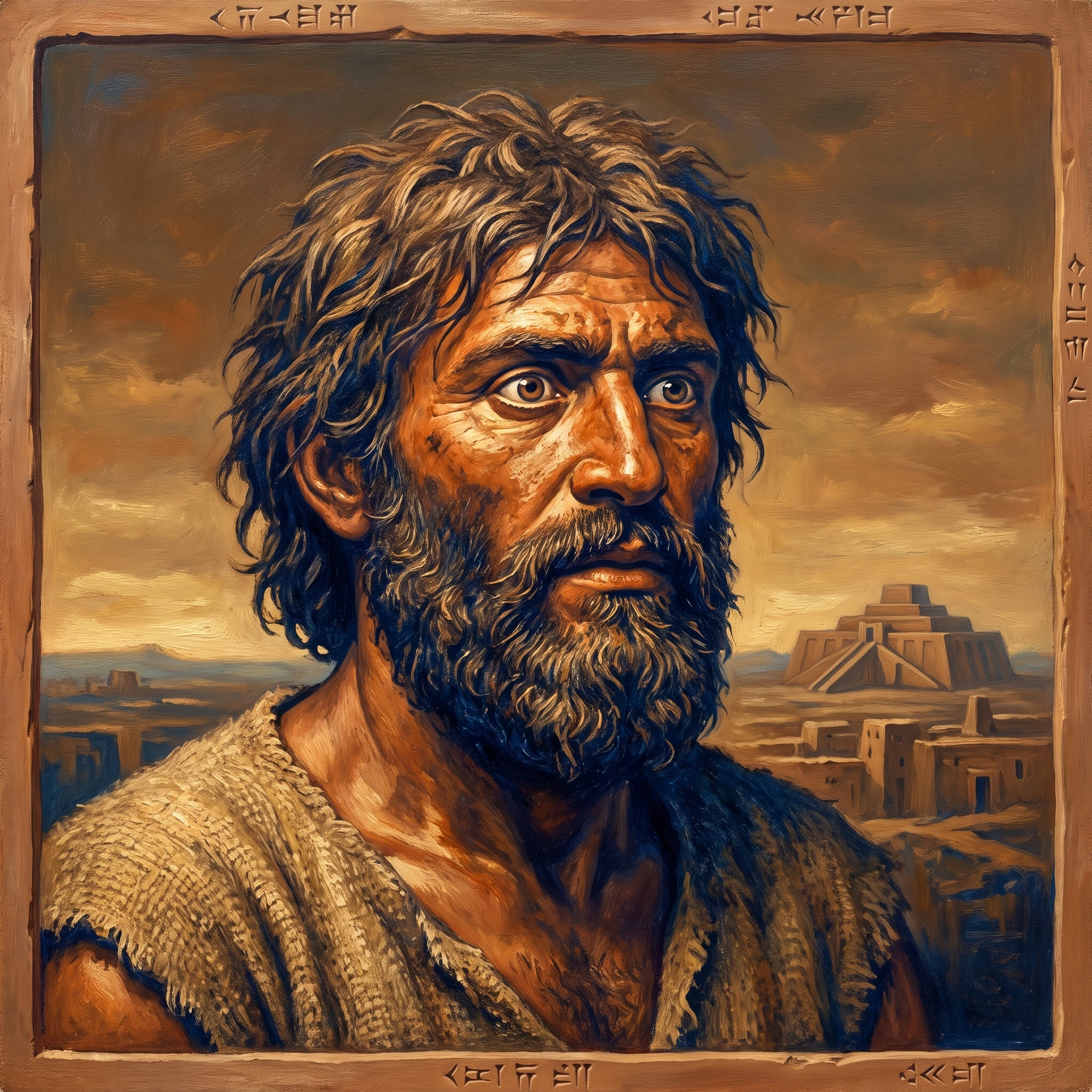
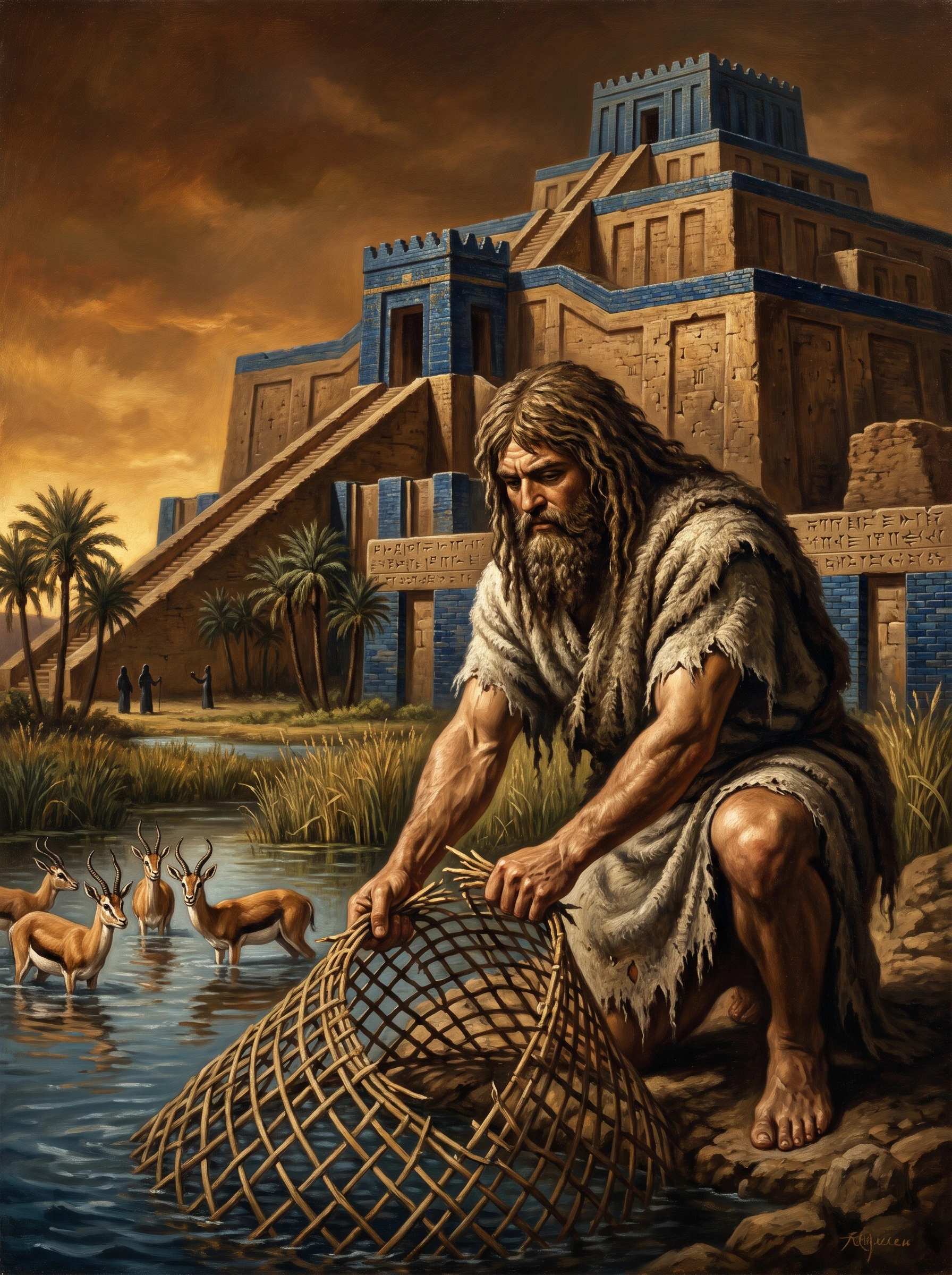
Enkidu, the hairy wild man, runs with the gazelles and tears out the trapper's snares until the temple woman Shamhat is sent to tame him. She teaches him bread and beer and the ways of men, and the beasts flee from him — but his heart grows wider. Enraged by the king's abuse of Uruk's brides, Enkidu blocks Gilgamesh at a marriage-house door, and the two heroes wrestle until the wall shudders. When the king's fury finally breaks, the rivals clasp hands and become one heart.
Into the Cedar Forest
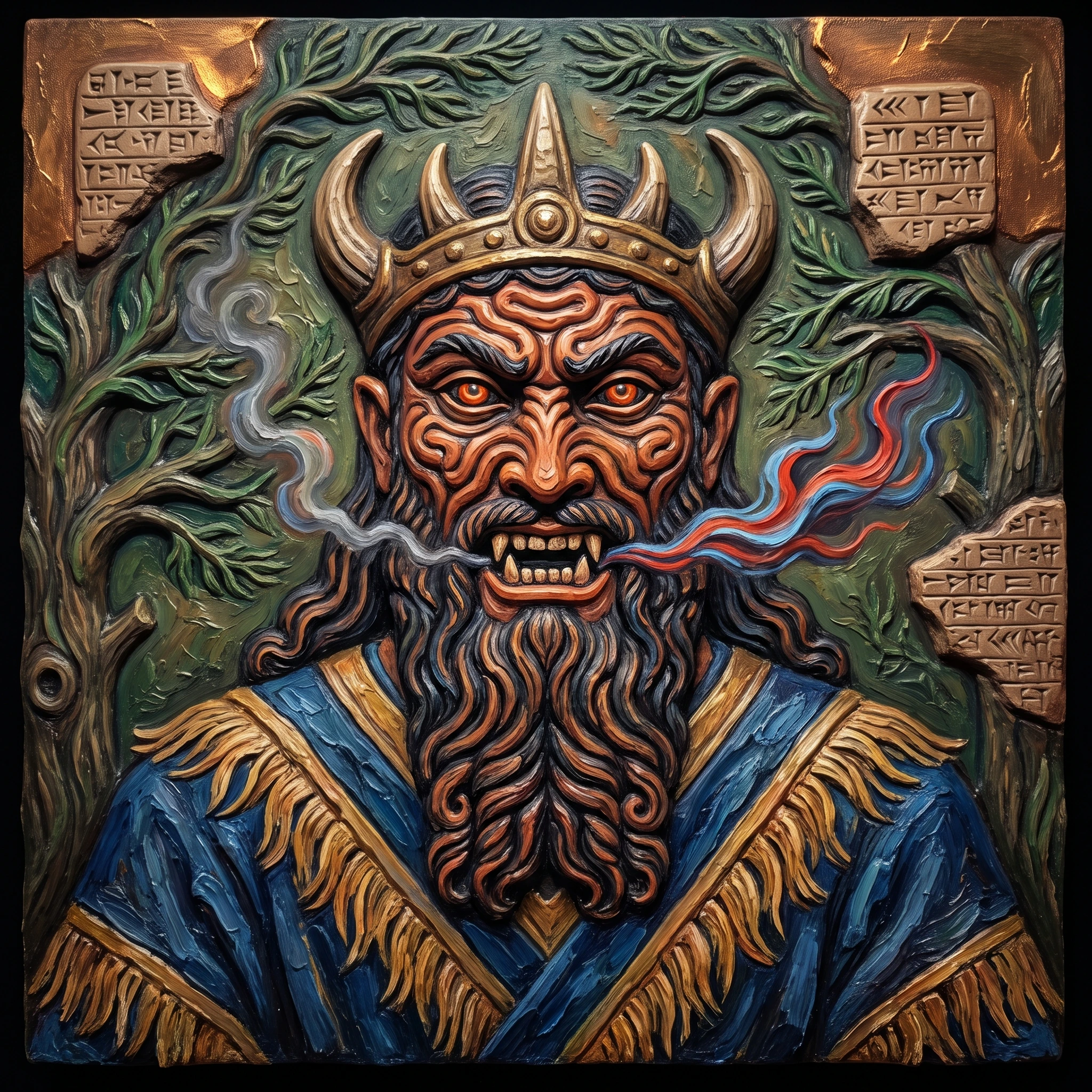
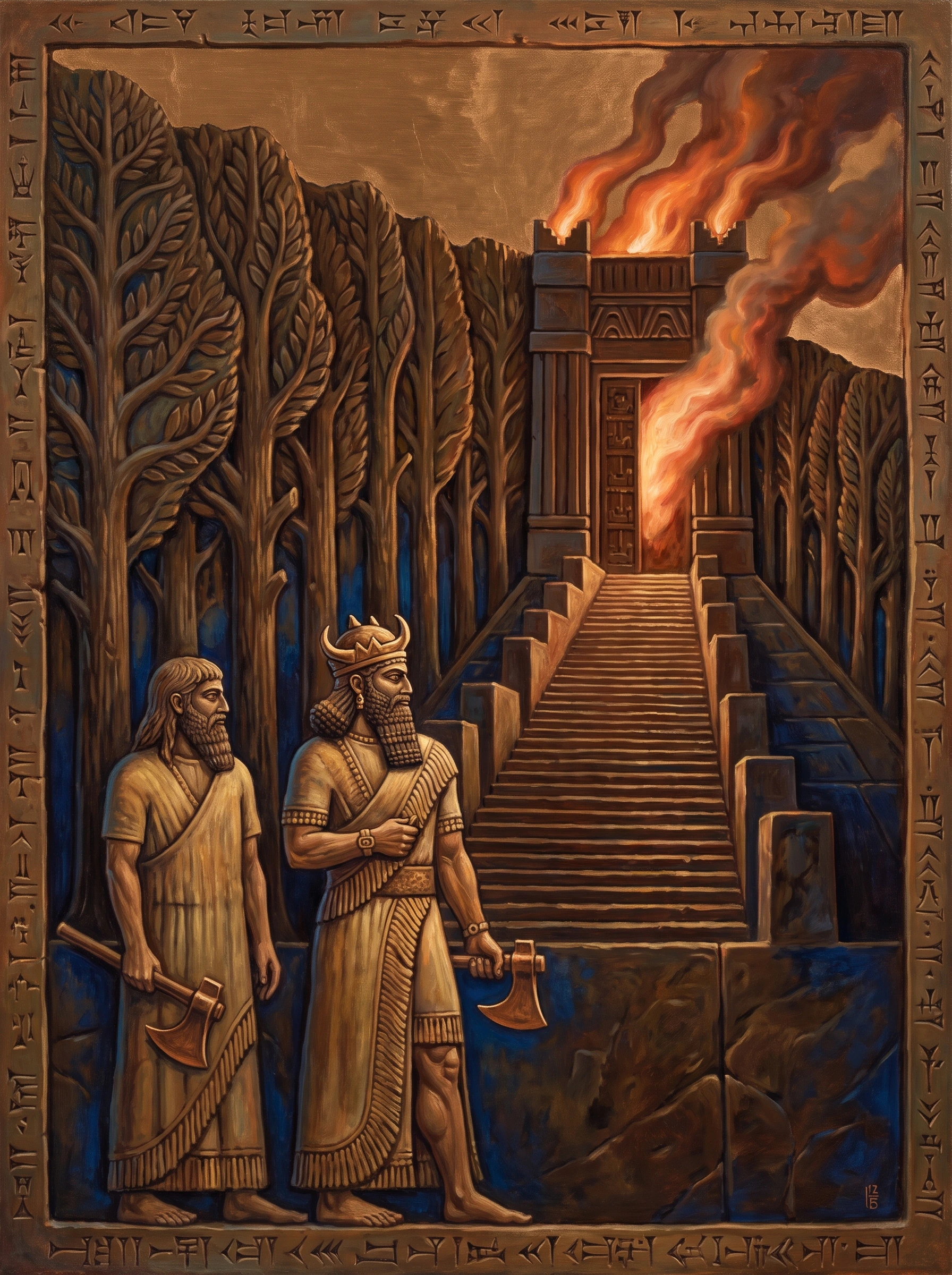
Restless for a name that will outlast the grave, Gilgamesh resolves to march east and cut the cedars guarded by the fire-breathing giant Humbaba. Enkidu, who once roamed that mountain, pleads against it, and the grey elders of Uruk warn the young king, but he answers that only the gods live forever and a man may as well fall winning glory. After Ninsun's prayer to Shamash, the two go out; the sun-god pins the monster with great winds, and where the shattered tablet fails, the heroes slay Humbaba and bear his head home in triumph.
Ishtar and the Bull of Heaven
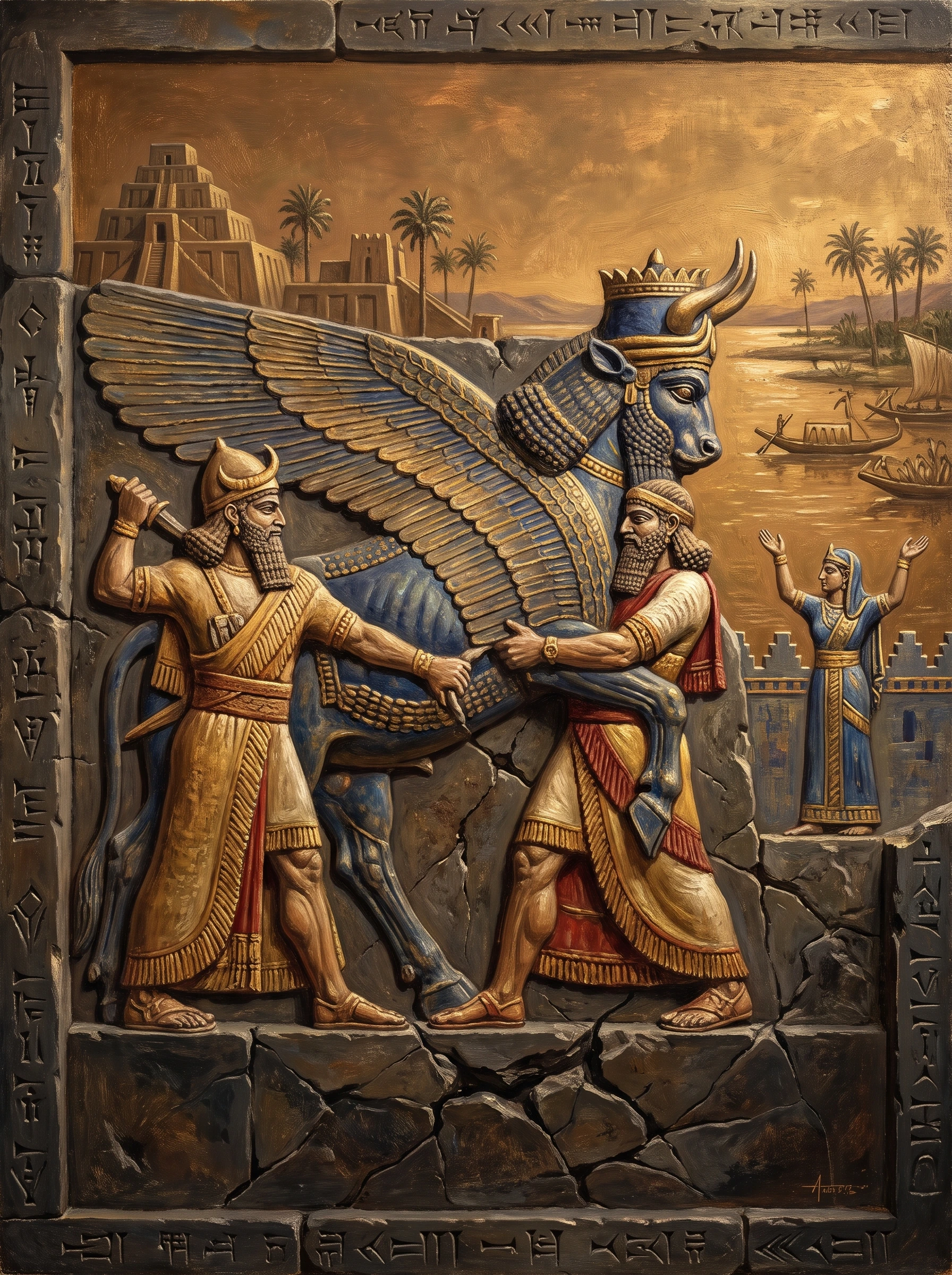
The goddess Ishtar, dazzled by the crowned victor, offers herself as his bride — and Gilgamesh refuses her, reciting the ruin she brought on every lover before him. Humiliated, she demands the Bull of Heaven from her father Anu, and it descends on Uruk, cracking the earth and killing hundreds. Gilgamesh and Enkidu slay the Bull and fling its haunch in the goddess's face. But two guardians of the gods are now dead, and in the still air of heaven Anu, Enlil, and Shamash decree that one of the two friends must pay with his life.
The Death of Enkidu
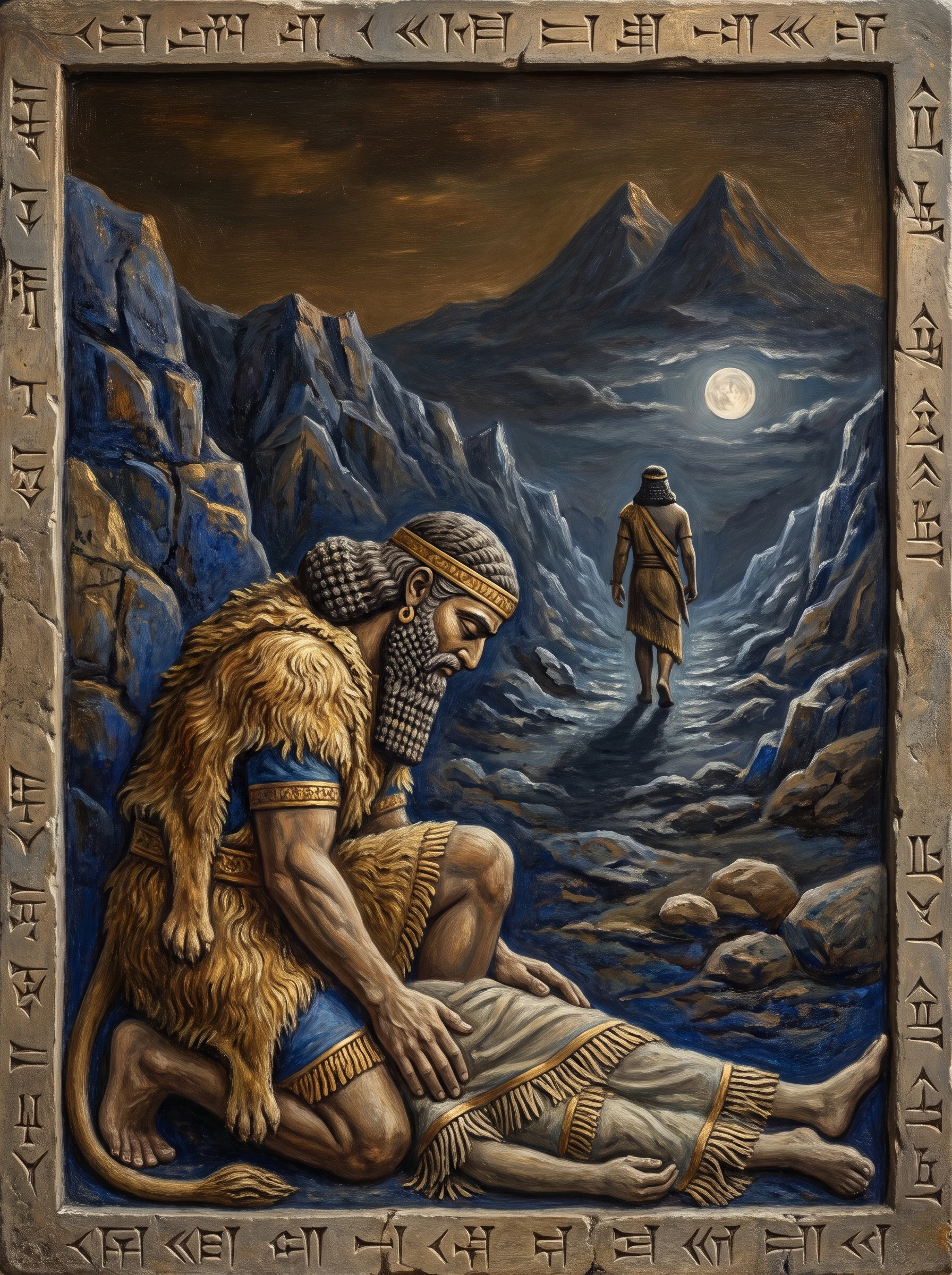
Enkidu dreams the gods' verdict, sickens, and — bitter that he must waste away in bed rather than fall in battle — dies. Gilgamesh comes undone, keeping the body until a worm falls from its nose, then flees into the wilderness in lion-skins, seized by a new terror: if death took the strongest man he knew, it is coming for him too. He sets out for Utnapishtim, the one man granted life without end, crossing the twin-peaked mountain Mashu, the twelve leagues of darkness, and — warned by the ale-wife Siduri — the deadly sea, until he stands before the deathless man.
The Flood and the Plant of Life
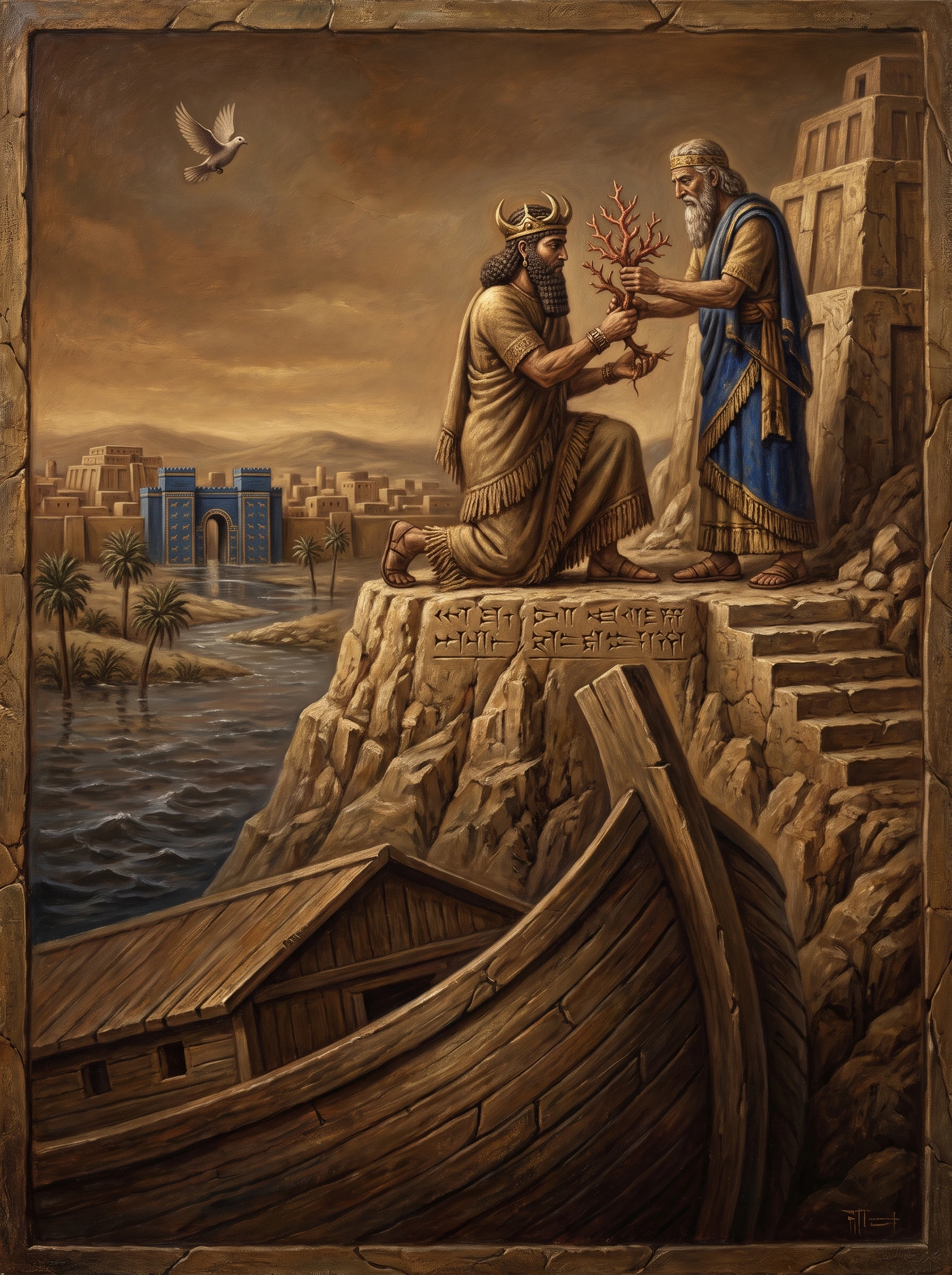
Utnapishtim reveals the secret of the gods: how Ea warned him of the coming deluge, how he built a ship and rode out six days of storm, sent forth dove, swallow, and raven, and was made immortal — a fate no council will grant Gilgamesh. Failing even to stay awake six nights, and losing the plant of youth to a serpent at a well, Gilgamesh comes home empty-handed but points to the walls of Uruk: not deathless flesh, but the work of a man's hands, is what endures. An older coda raises Enkidu's ghost to speak of the house of dust — and frames George Smith, who in 1872 read the Flood tablet older than Genesis.