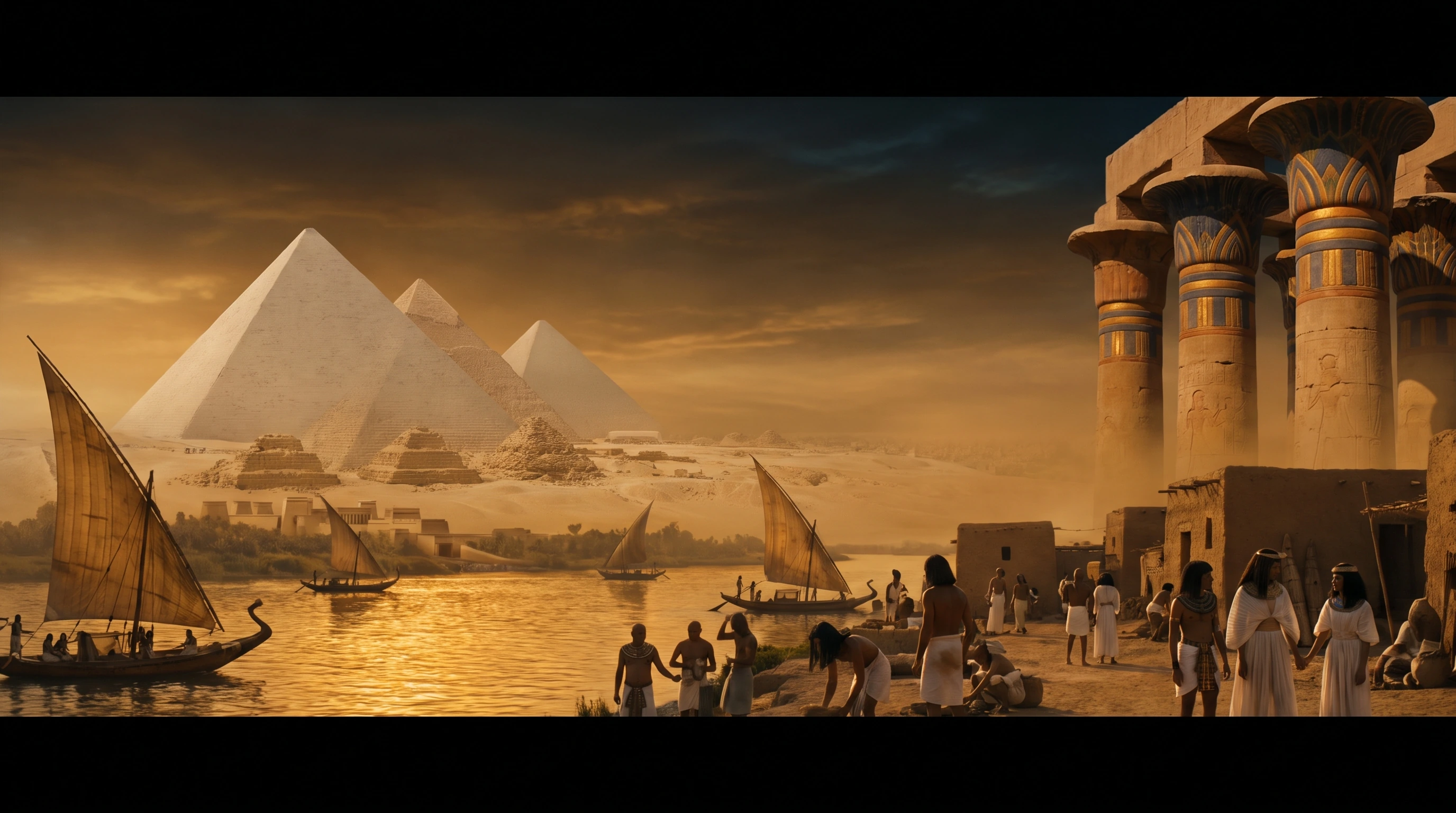
Ancient Egypt
Three thousand years of pharaohs — the first hieroglyphs and Narmer's crown, the pyramid builders of Giza, the empire of Thebes and the heretic Akhenaten, and the collisions with Persia, Alexander, and Rome that brought it all to an end.
Short on Time?
The Long River: From Narmer to Cleopatra
The Silence Broken
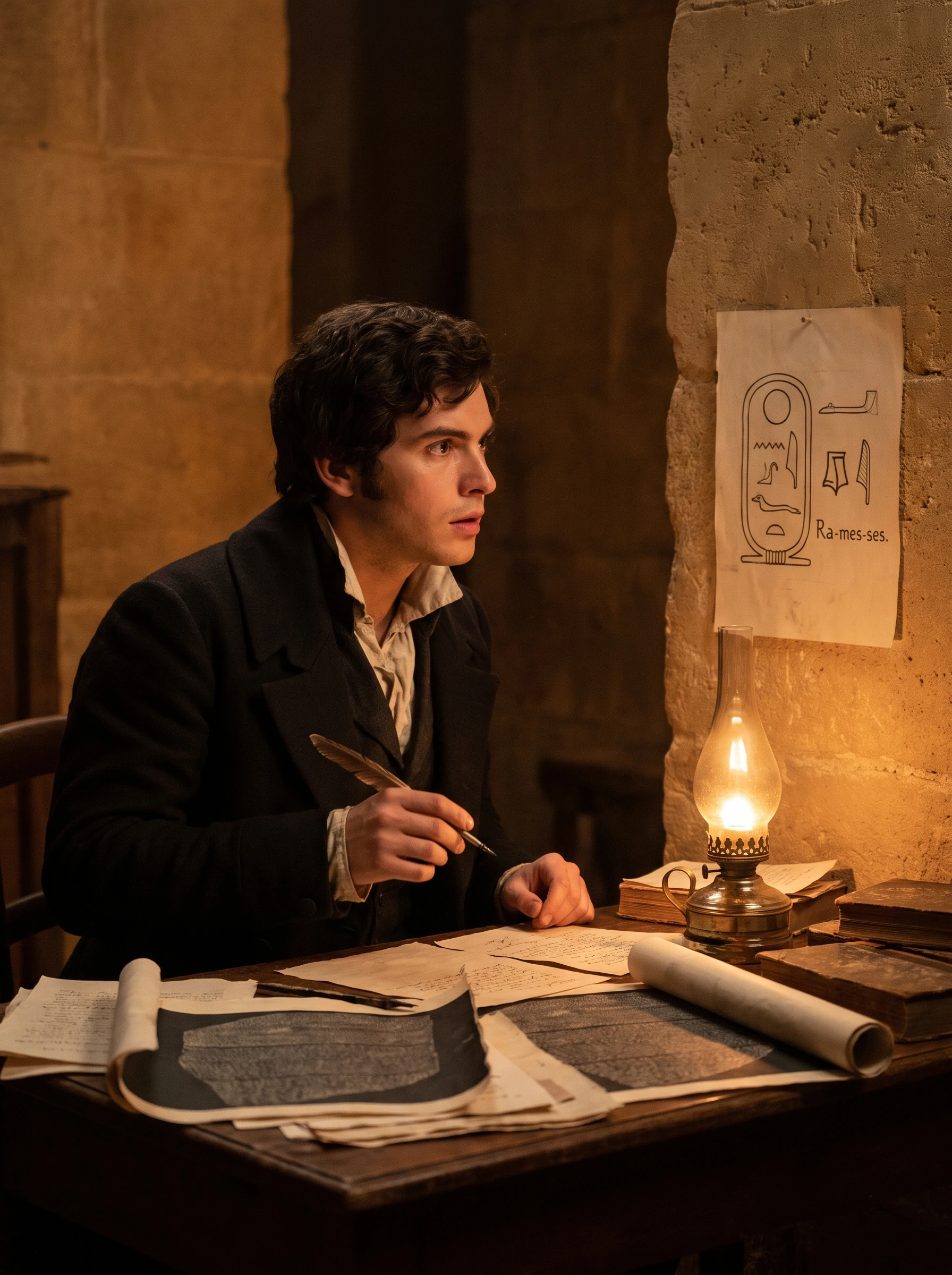
For fourteen centuries no one could read a single hieroglyph. Then a black stone from Rosetta and a young scholar named Champollion cracked the code — and 3,000 years of Egypt began to speak again.
The First Word
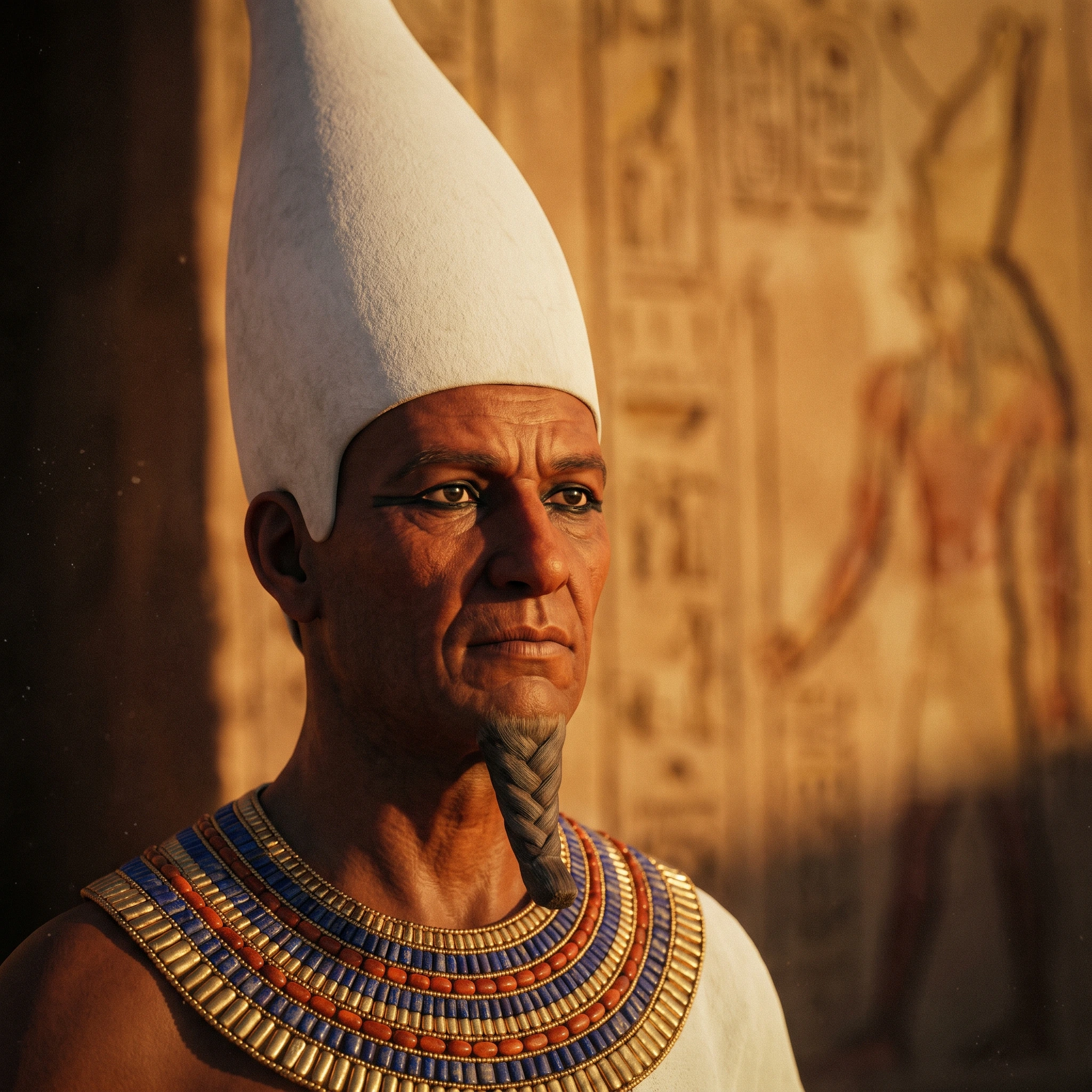
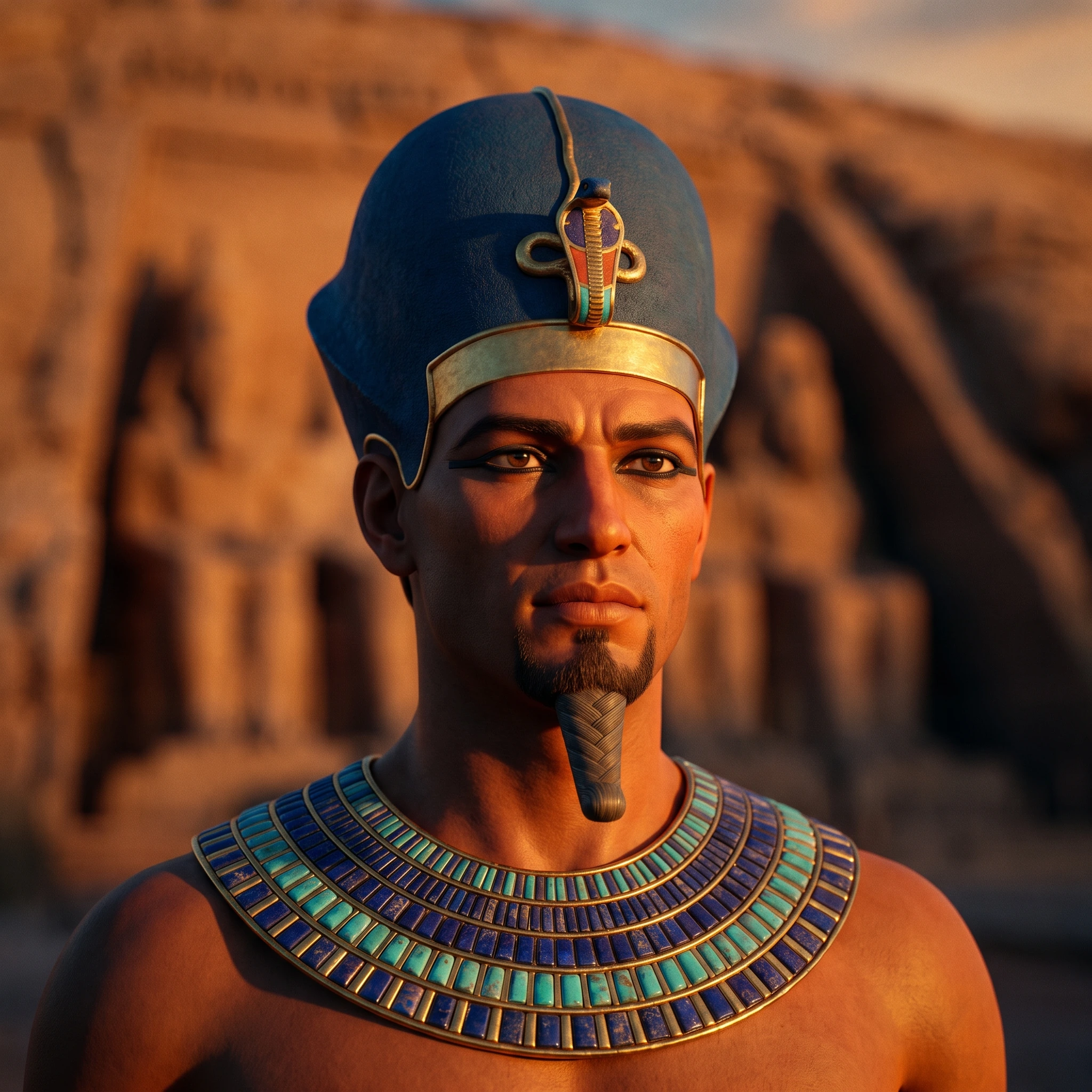
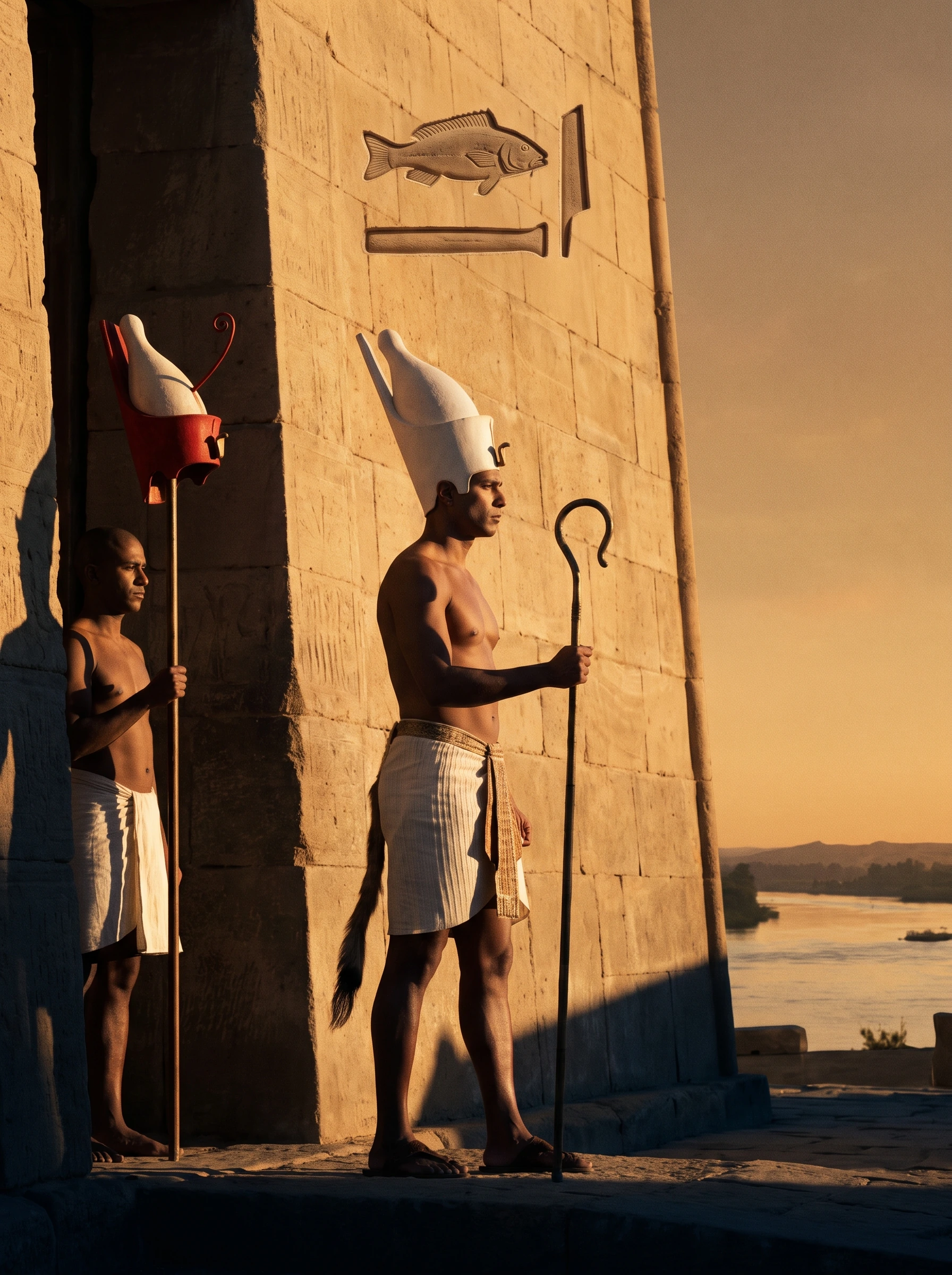
On a slate palette carved around 3100 BCE, a king named Narmer strikes down his enemies and wears two crowns — the earliest picture of a united Egypt, and the beginning of the longest-lived civilization the world has known.
The Age of the Pyramid Builders
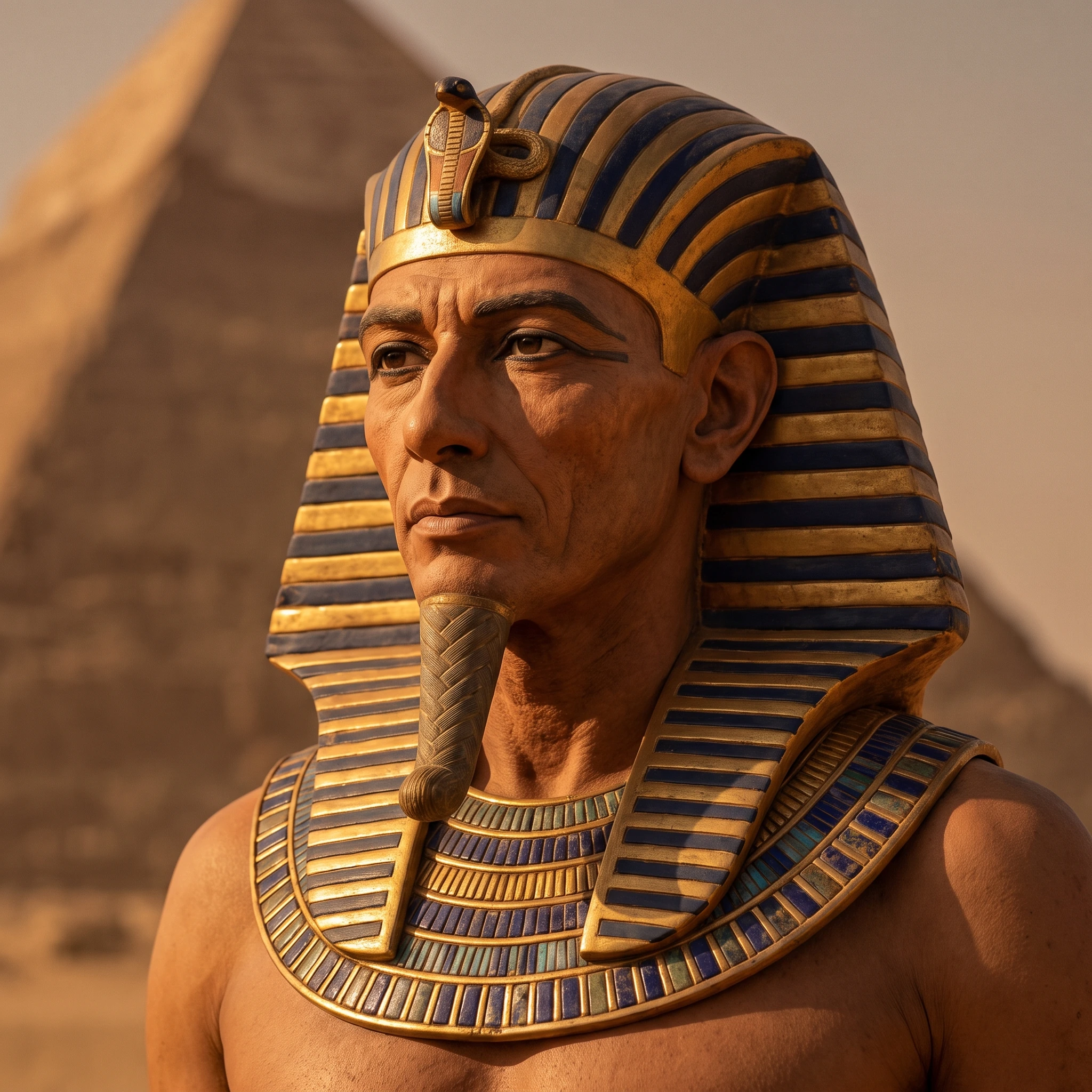
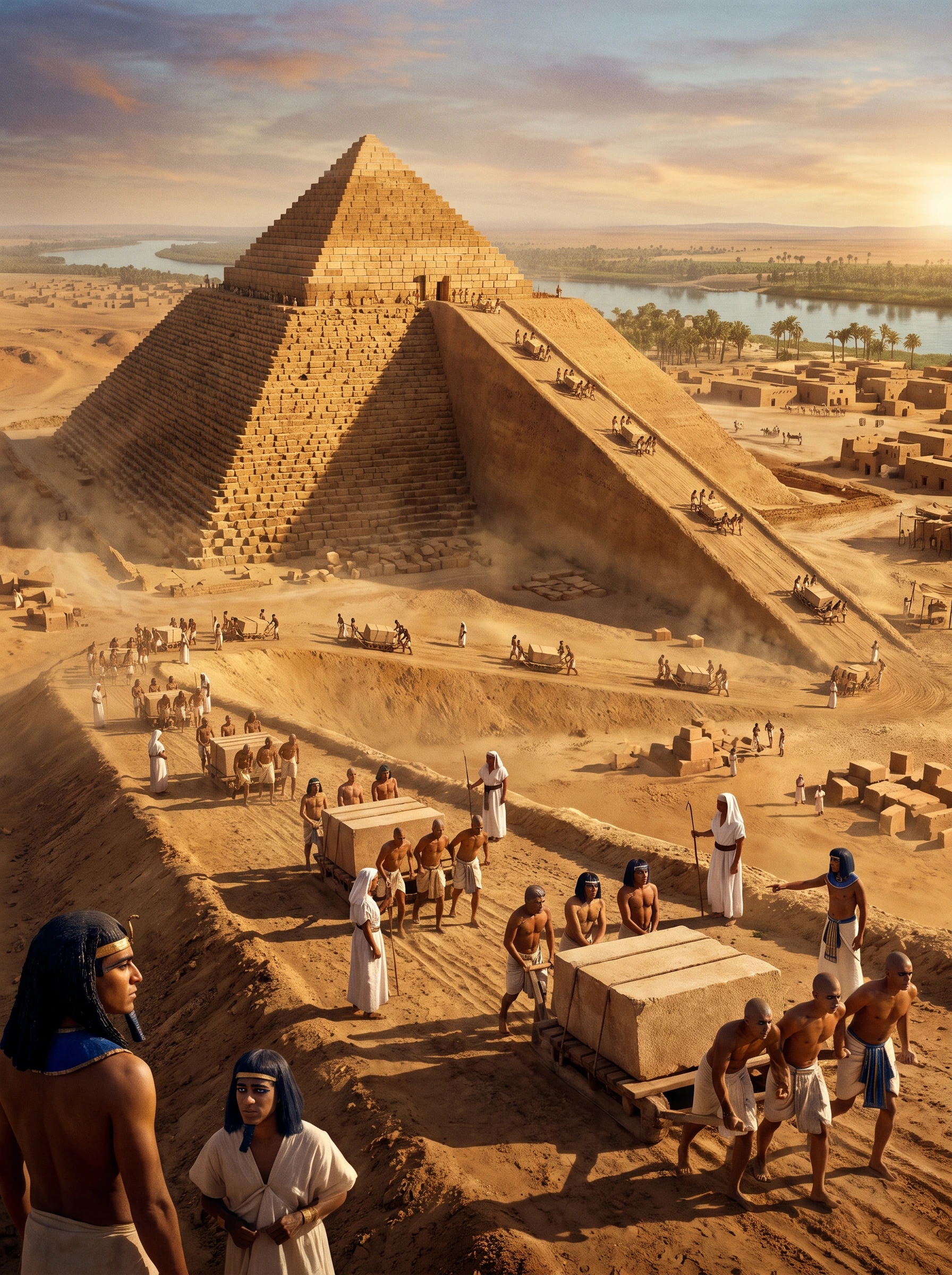
In the Old Kingdom, pharaohs became living gods and raised the greatest tombs ever built — Djoser's step pyramid, then Khufu's Great Pyramid at Giza, mountains of stone meant to carry a king into eternity.
The Reunifiers
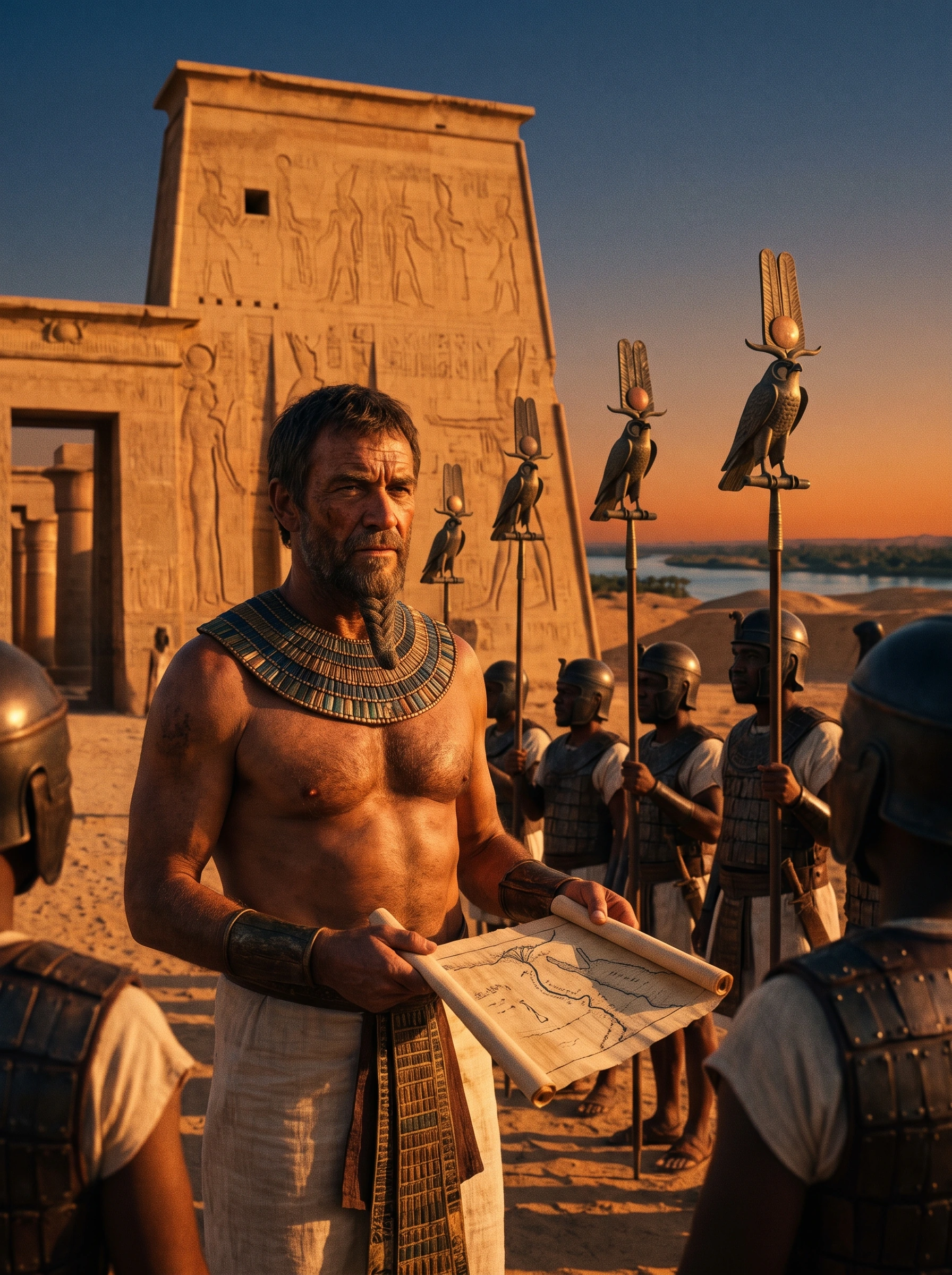
The Old Kingdom collapses into famine and civil war. Out of the ruin, the princes of Thebes reunite the Two Lands and forge the Middle Kingdom — a golden age of literature, mining, and a harder, wiser kingship.
The Age of Empire
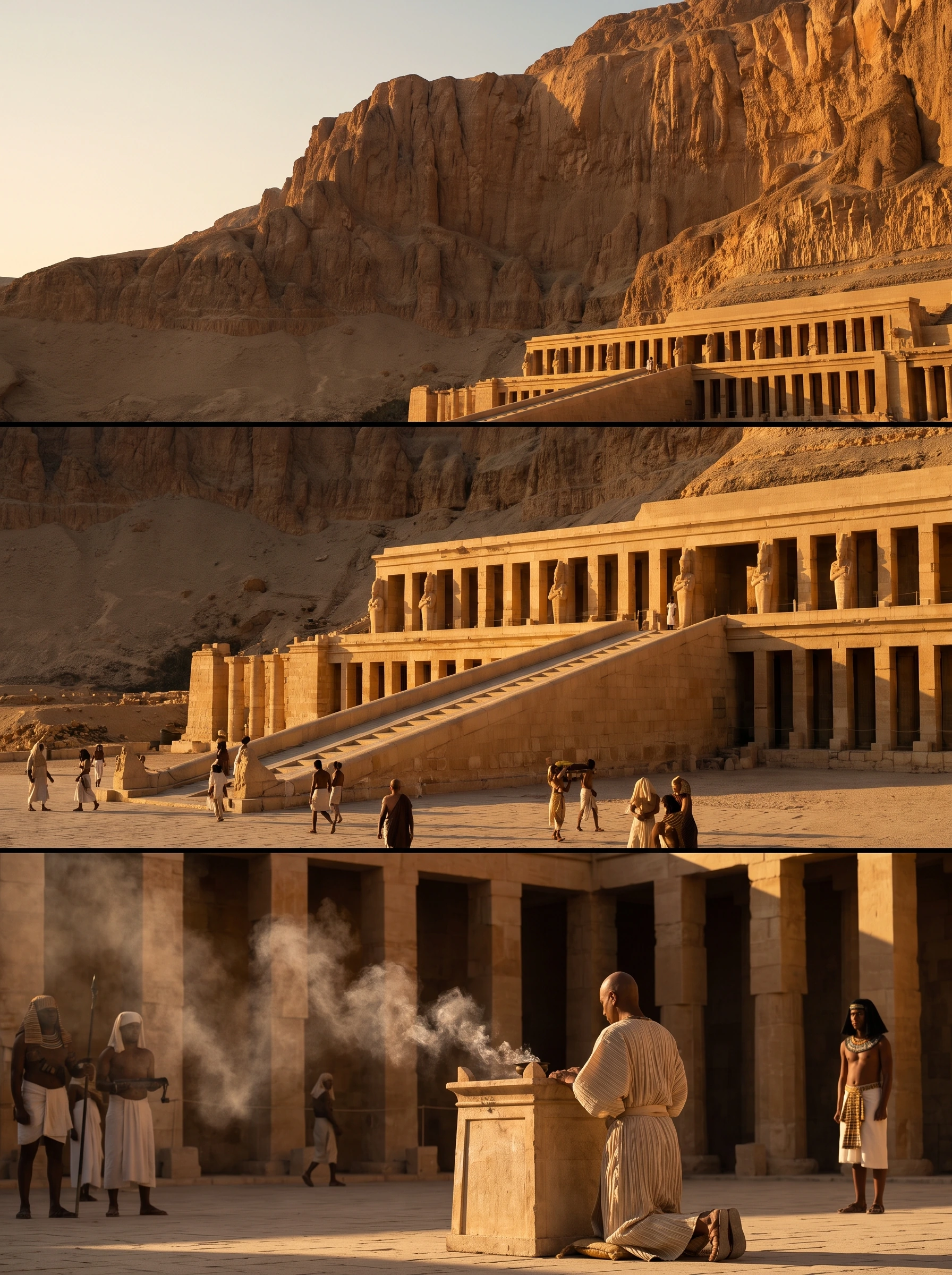
After driving out the Hyksos invaders, the New Kingdom pharaohs turn conqueror. Hatshepsut the woman-king, Thutmose III the 'Napoleon of Egypt' — Egypt becomes an empire stretching from Nubia to the Euphrates.
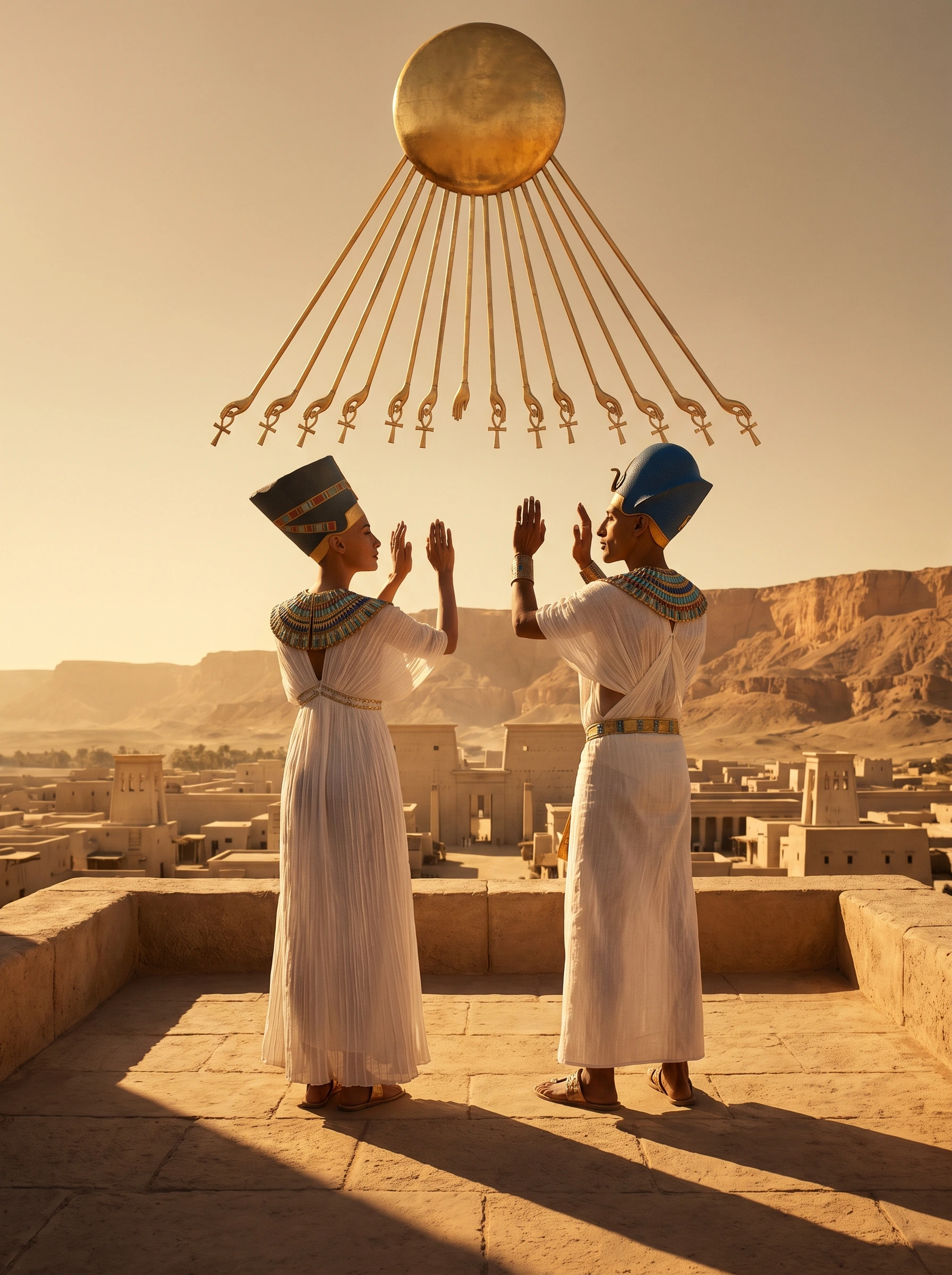
The Heretic King
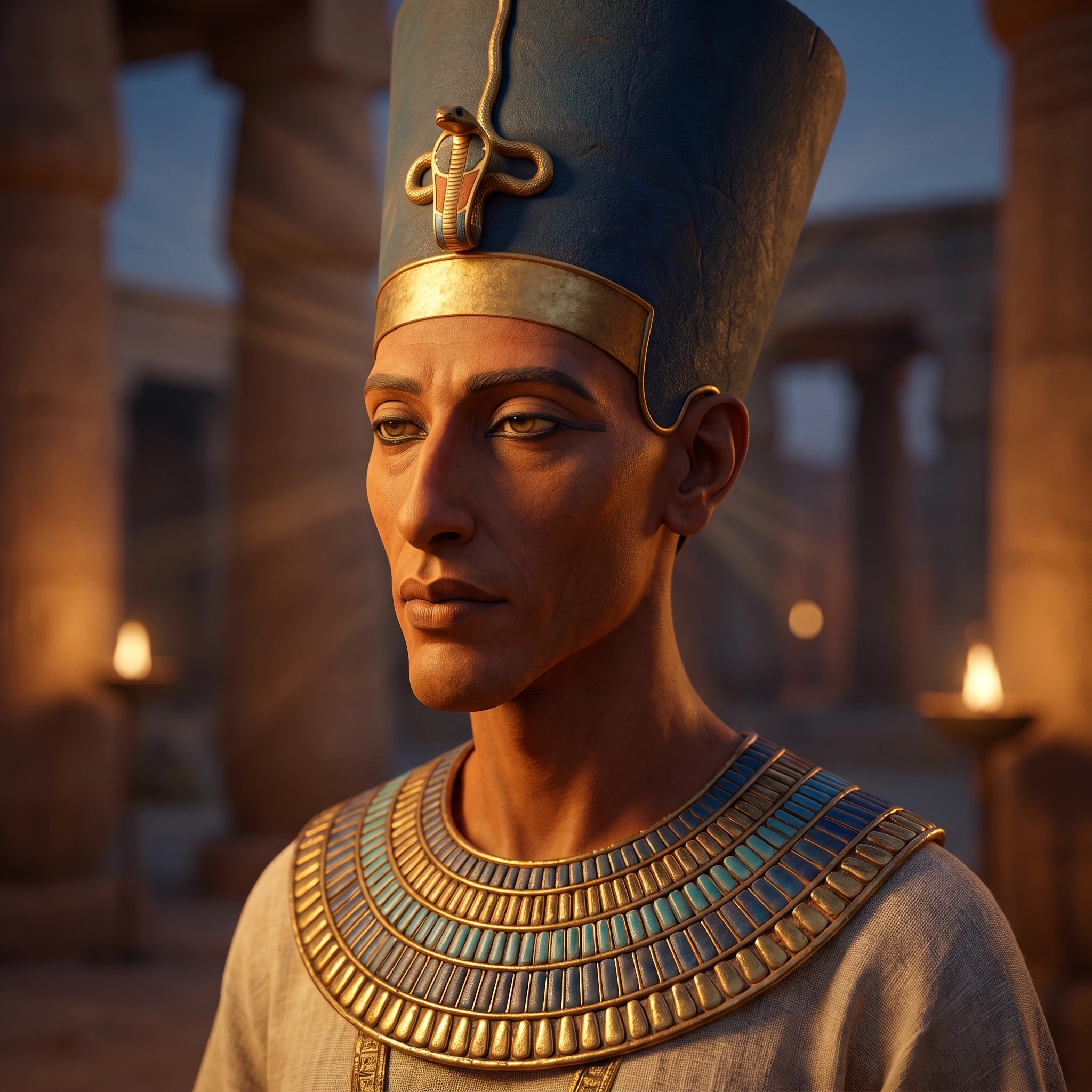
Akhenaten abolishes the old gods, closes the temples, and builds a new capital to worship a single sun-disk, the Aten — the most radical experiment in Egyptian history, and, after his death, the one everyone tried to erase.
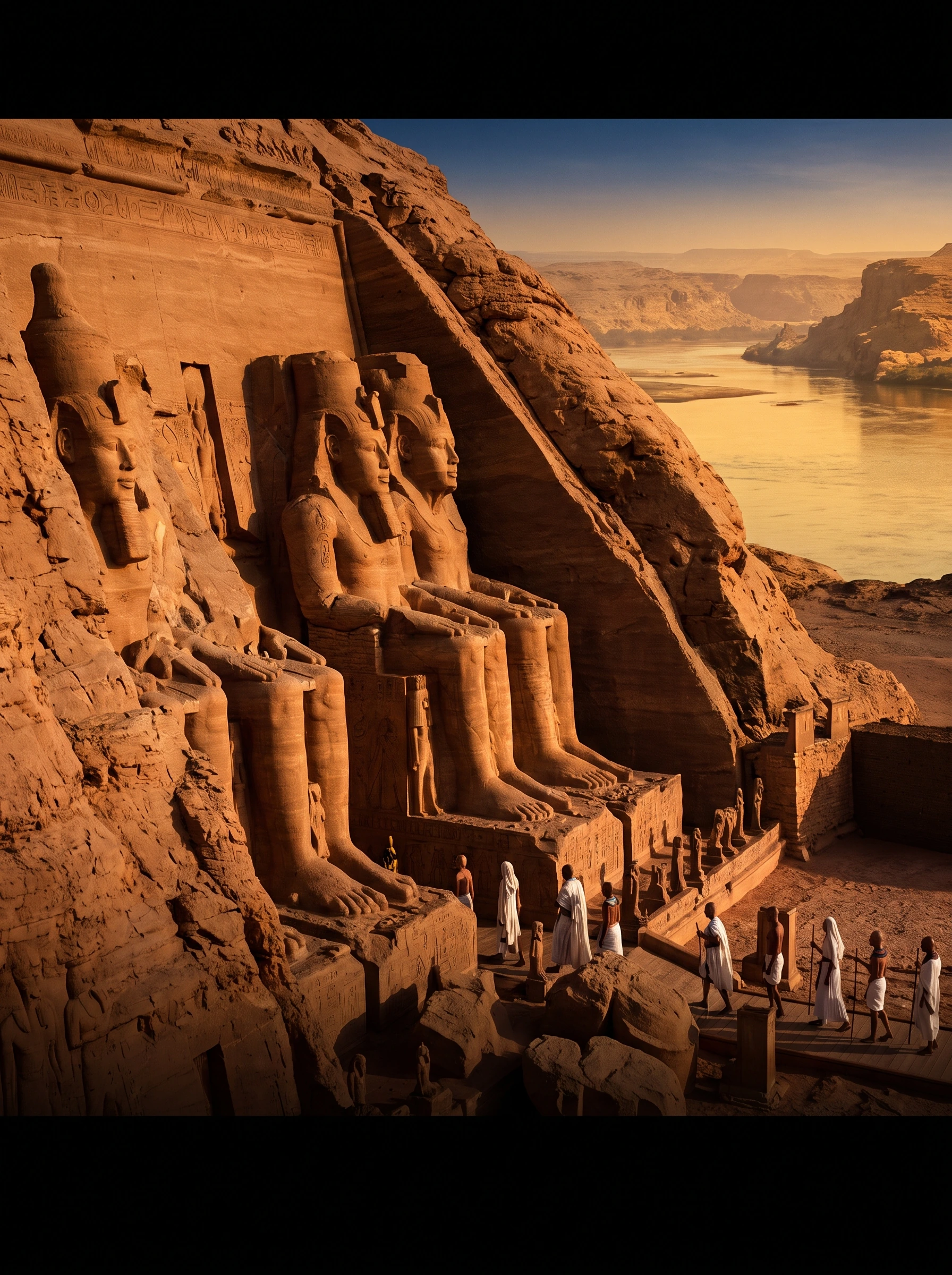
Ramesses and the Long Twilight
Ramesses II fights the Hittites to a standstill, signs history's first peace treaty, and reigns sixty-seven years. After him the empire slowly frays — invasions, divided rule, and the long slide toward foreign kings.
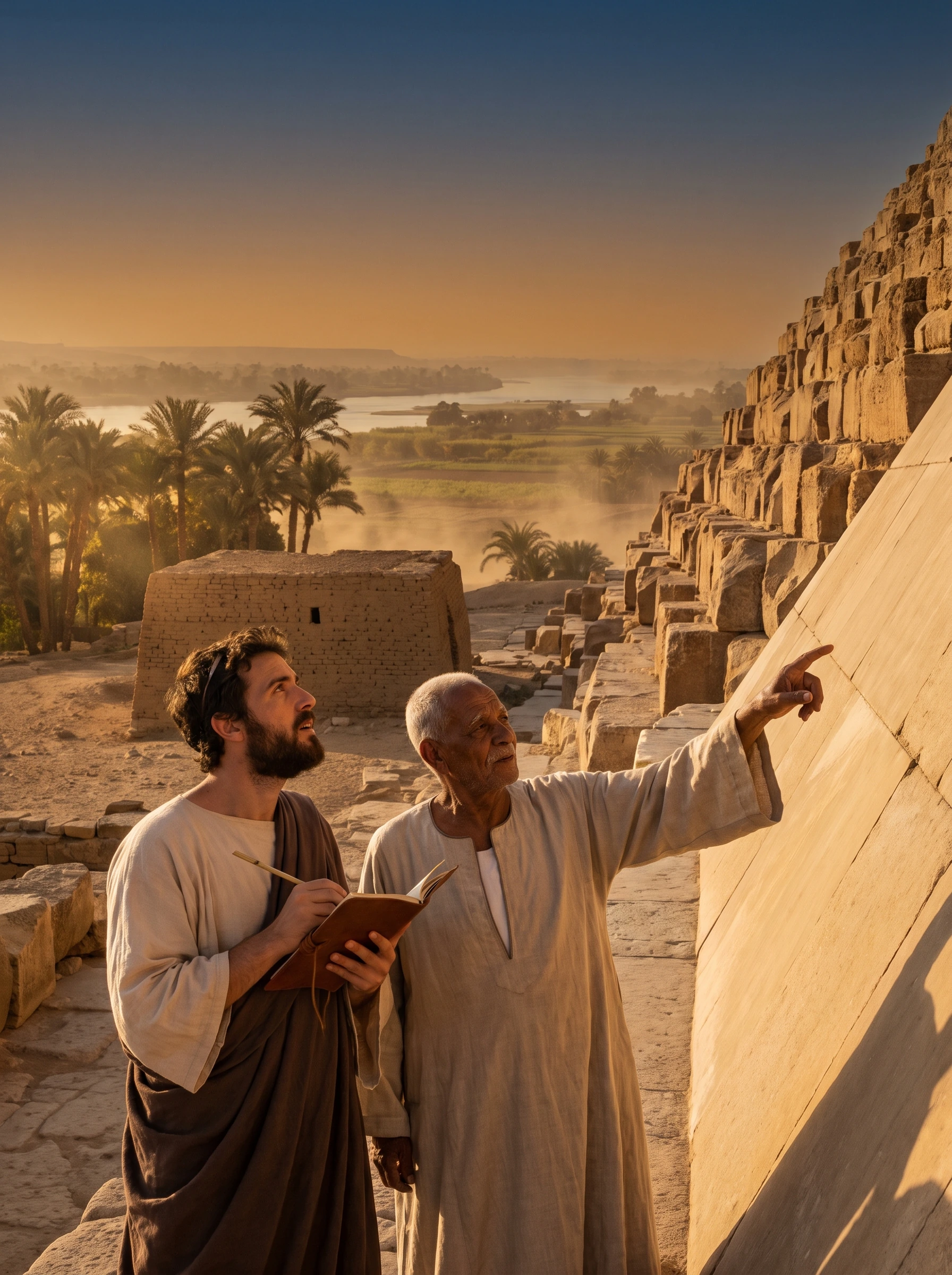
Pharaohs and the Greeks
Egypt revives under the kings of Sais, and the Greeks arrive — hired soldiers guarding the Delta, merchants building the trading city of Naucratis. Herodotus sails up the Nile and writes down its wonders: the first great meeting of the Greek and Egyptian worlds.
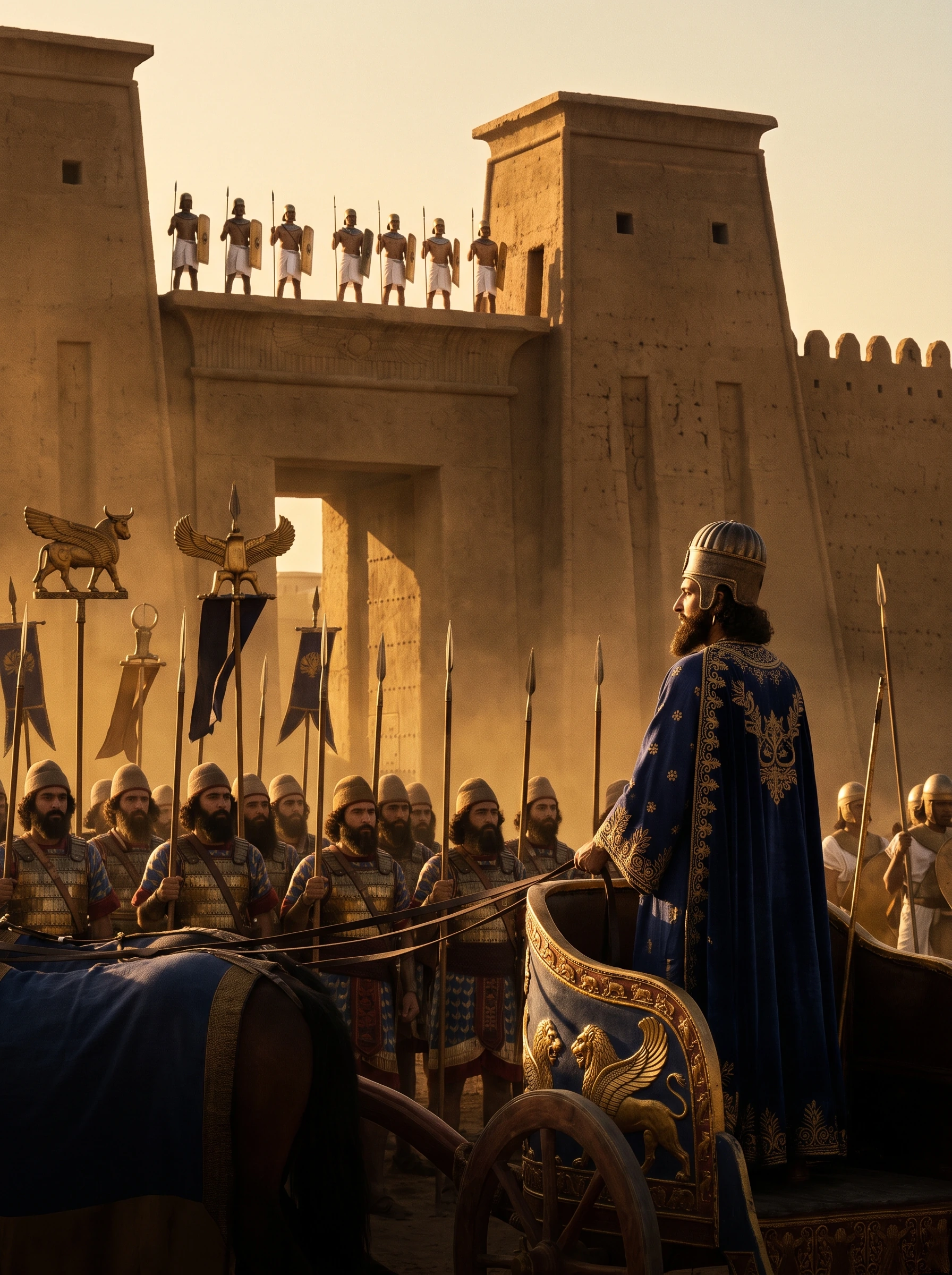
Cambyses Comes
In 525 BCE the Persian king Cambyses smashes the Egyptian army at Pelusium and makes Egypt a province of the largest empire on earth. For the first time in millennia, a foreigner wears the double crown.
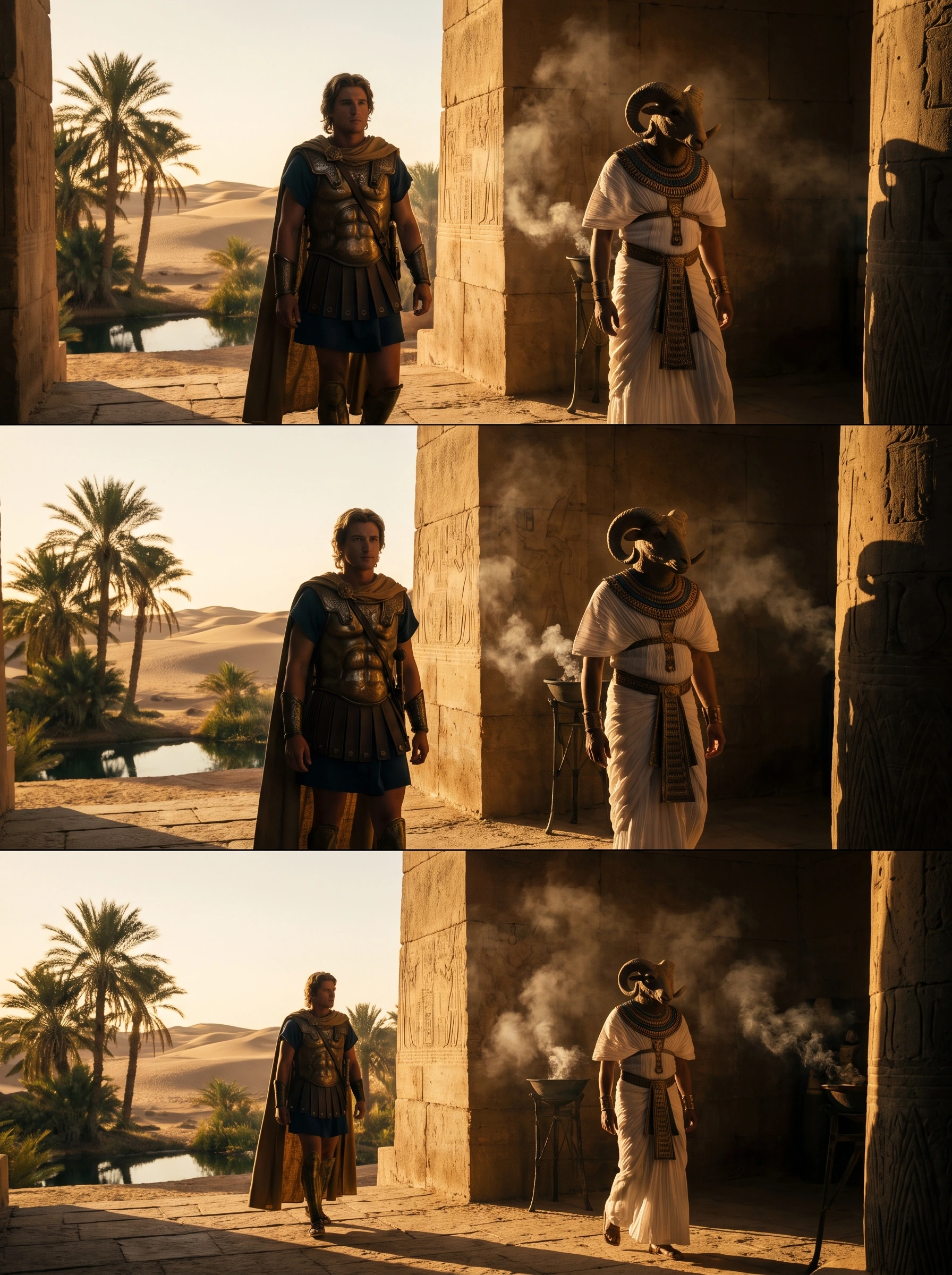
Alexander at Siwa
In 332 BCE Alexander the Great takes Egypt without a battle, is hailed as a liberator from Persia, founds Alexandria, and treks to the desert oracle at Siwa to be told he is the son of a god.
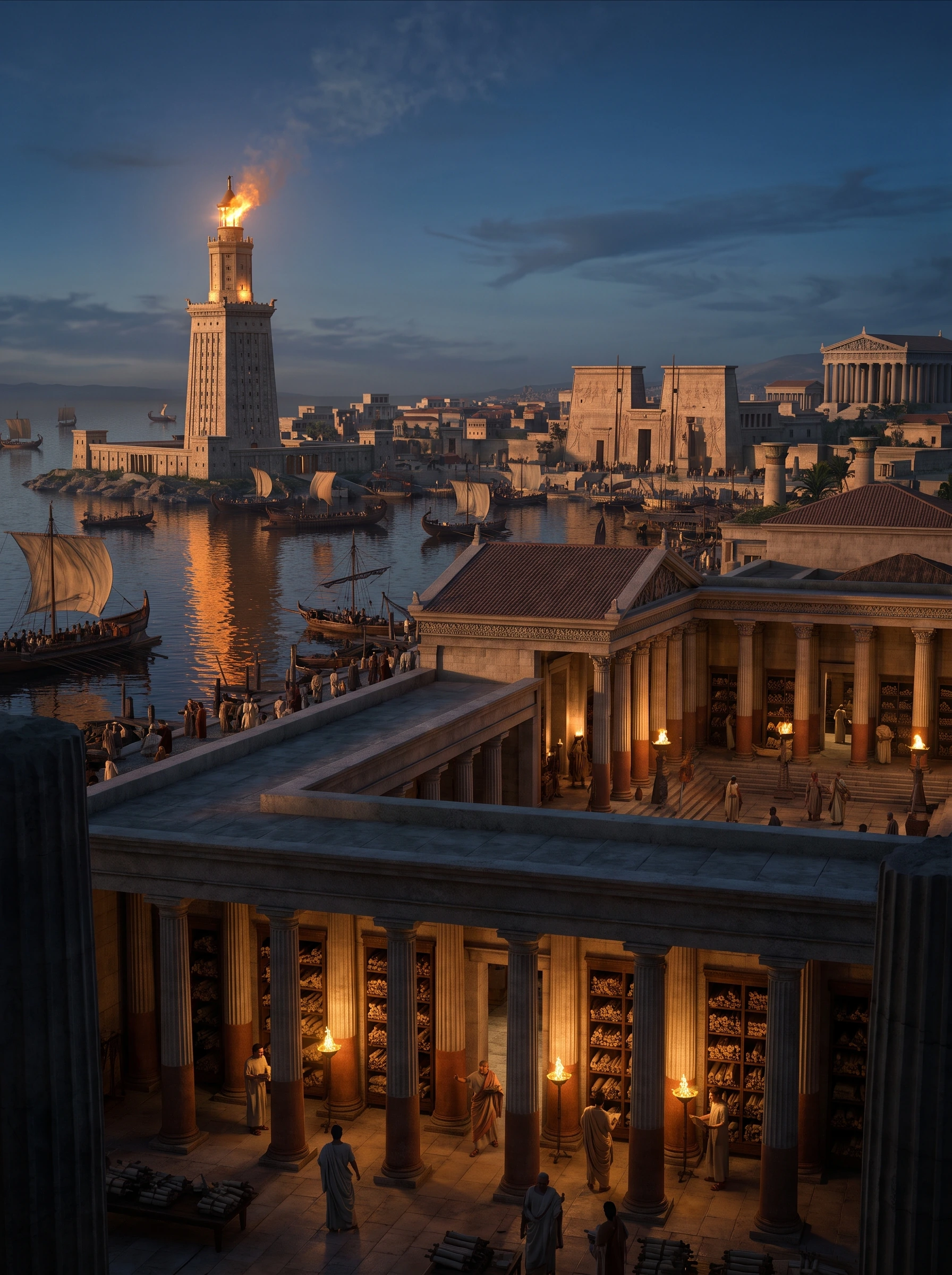
The Greek Pharaohs
Alexander's general Ptolemy founds a Greek dynasty that rules Egypt for three centuries. Alexandria becomes the intellectual capital of the world — its Library, its Lighthouse, its fusion of Greek and Egyptian gods.
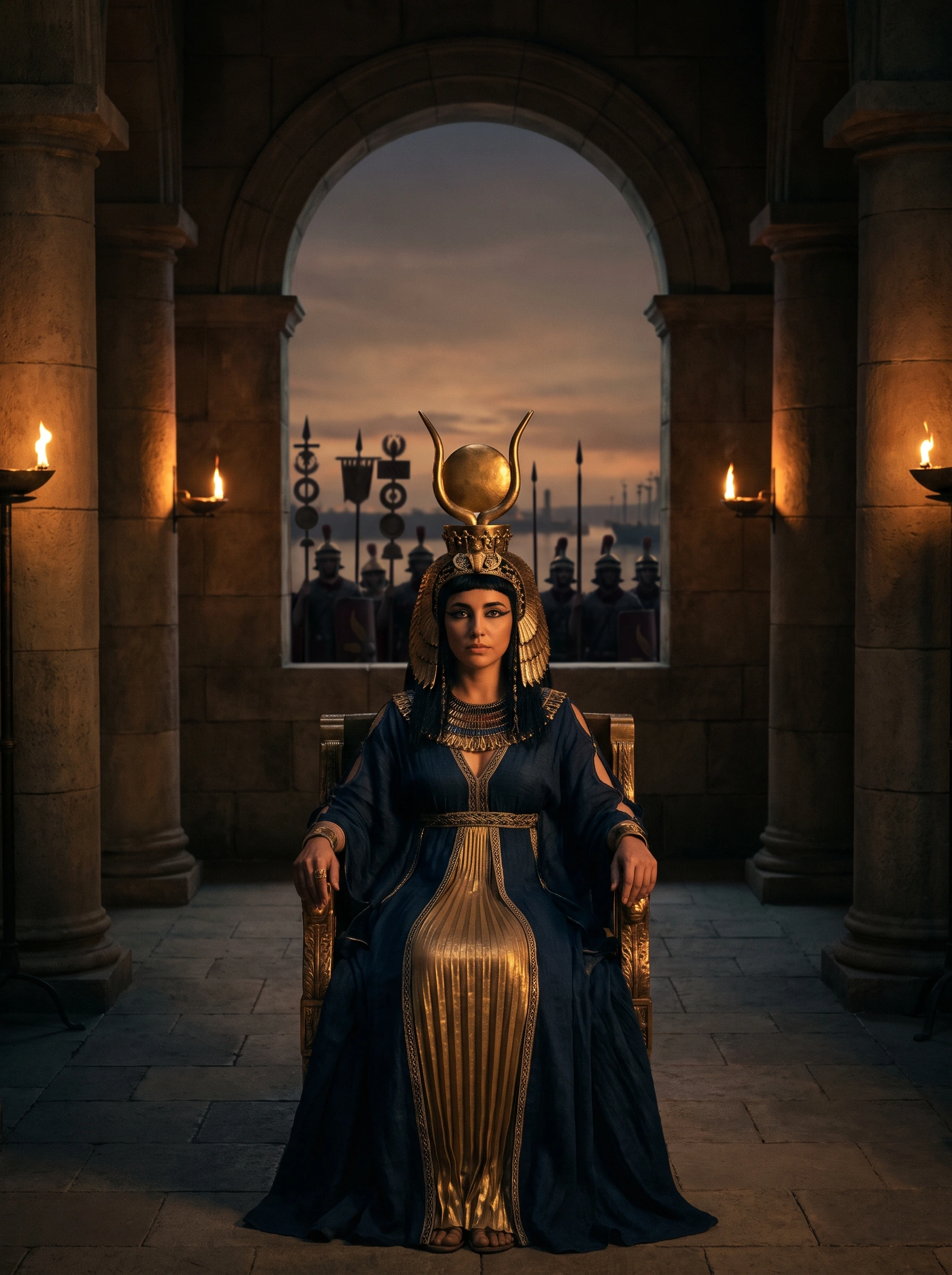
The Last Pharaoh
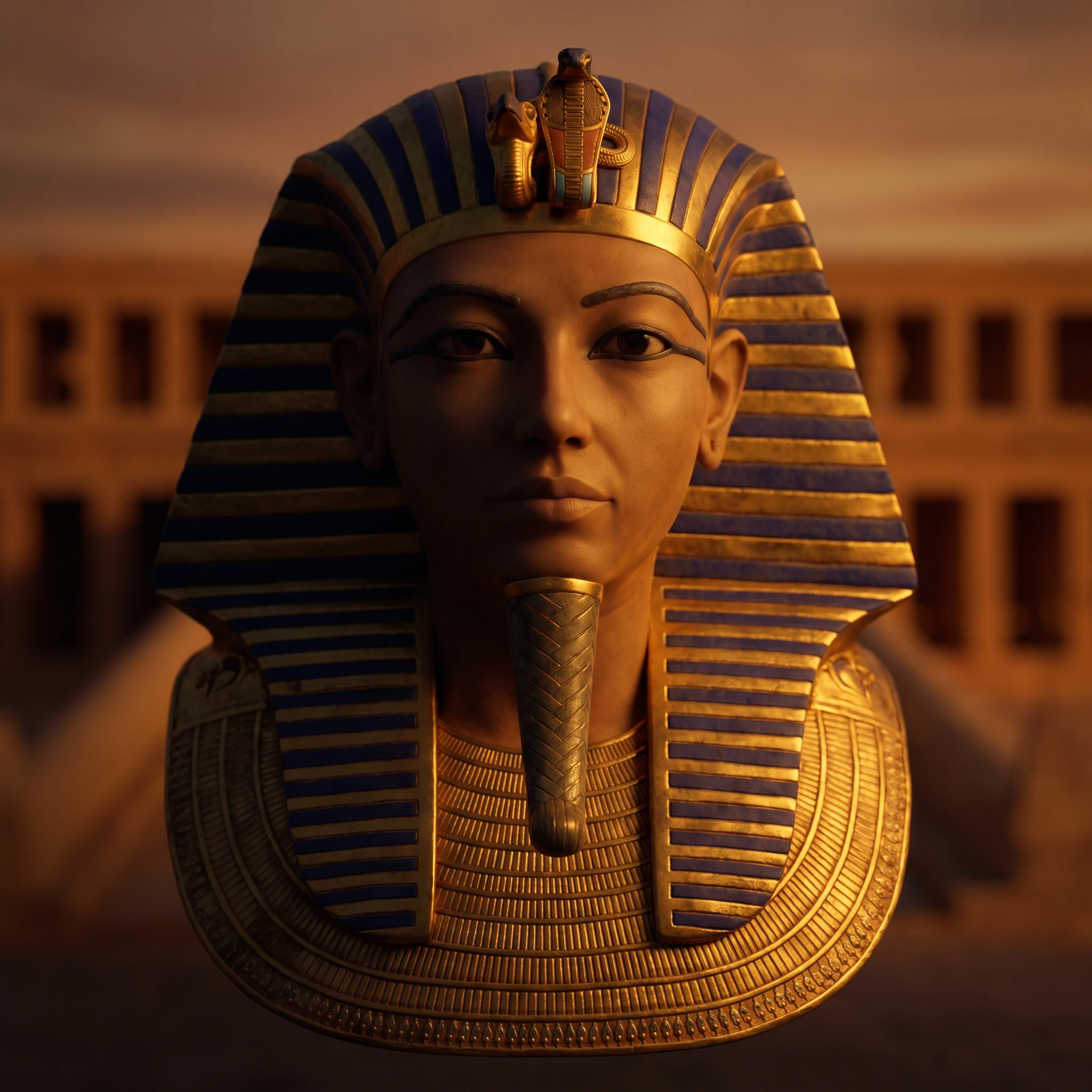
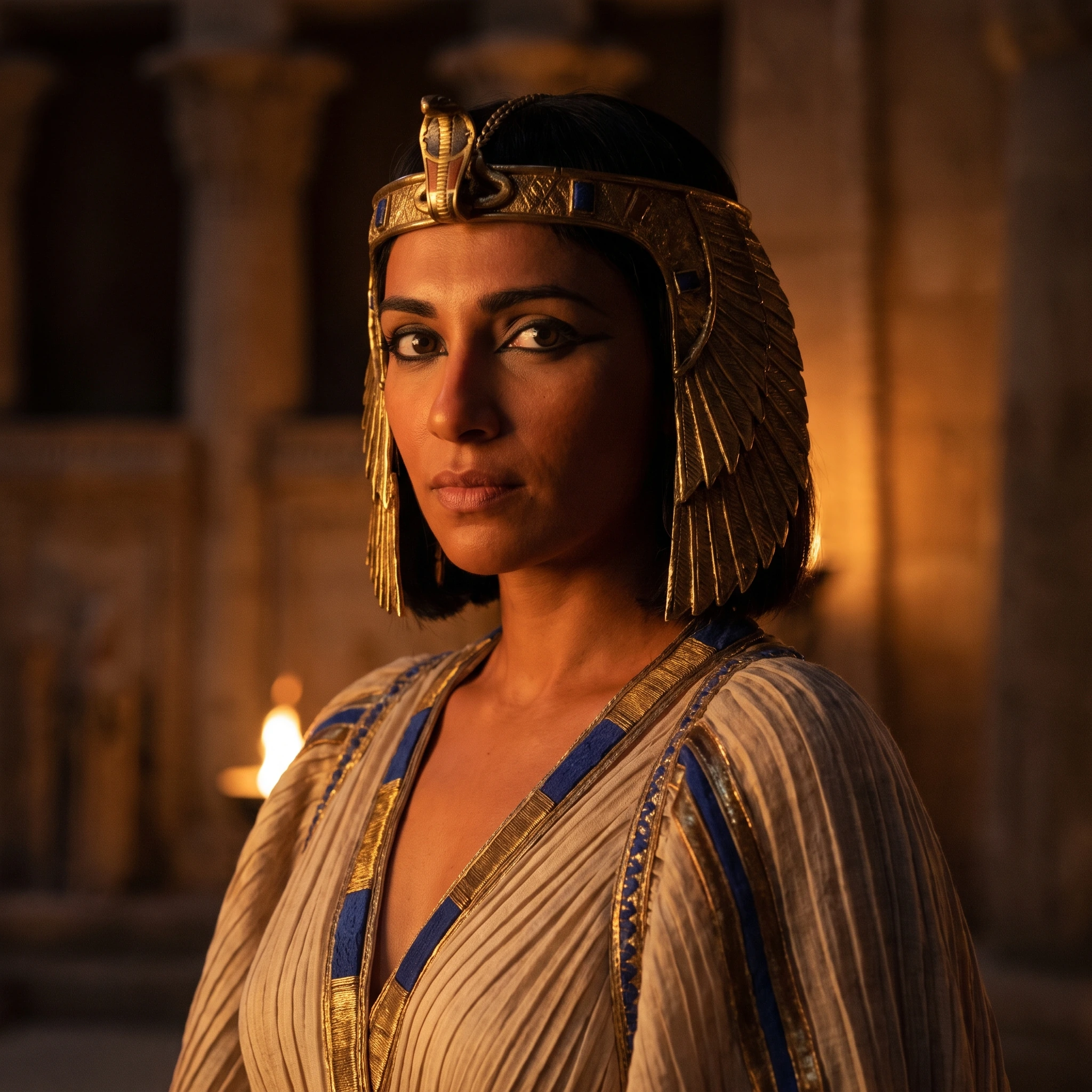
Cleopatra VII, last of the Ptolemies, gambles the kingdom on Caesar and then Antony against the rising power of Rome. With her death in 30 BCE, three thousand years of pharaohs end and Egypt becomes a Roman province.